Animals in the Bible
Sheep in the Bible: Psalm 23, Lost Sheep, Ezekiel's Bad Shepherds, and the Sheep-and-Goats Judgment
The shepherd-sheep metaphor is the most sustained animal metaphor in the biblical text, running across Psalms, prophets, and all four Gospels.
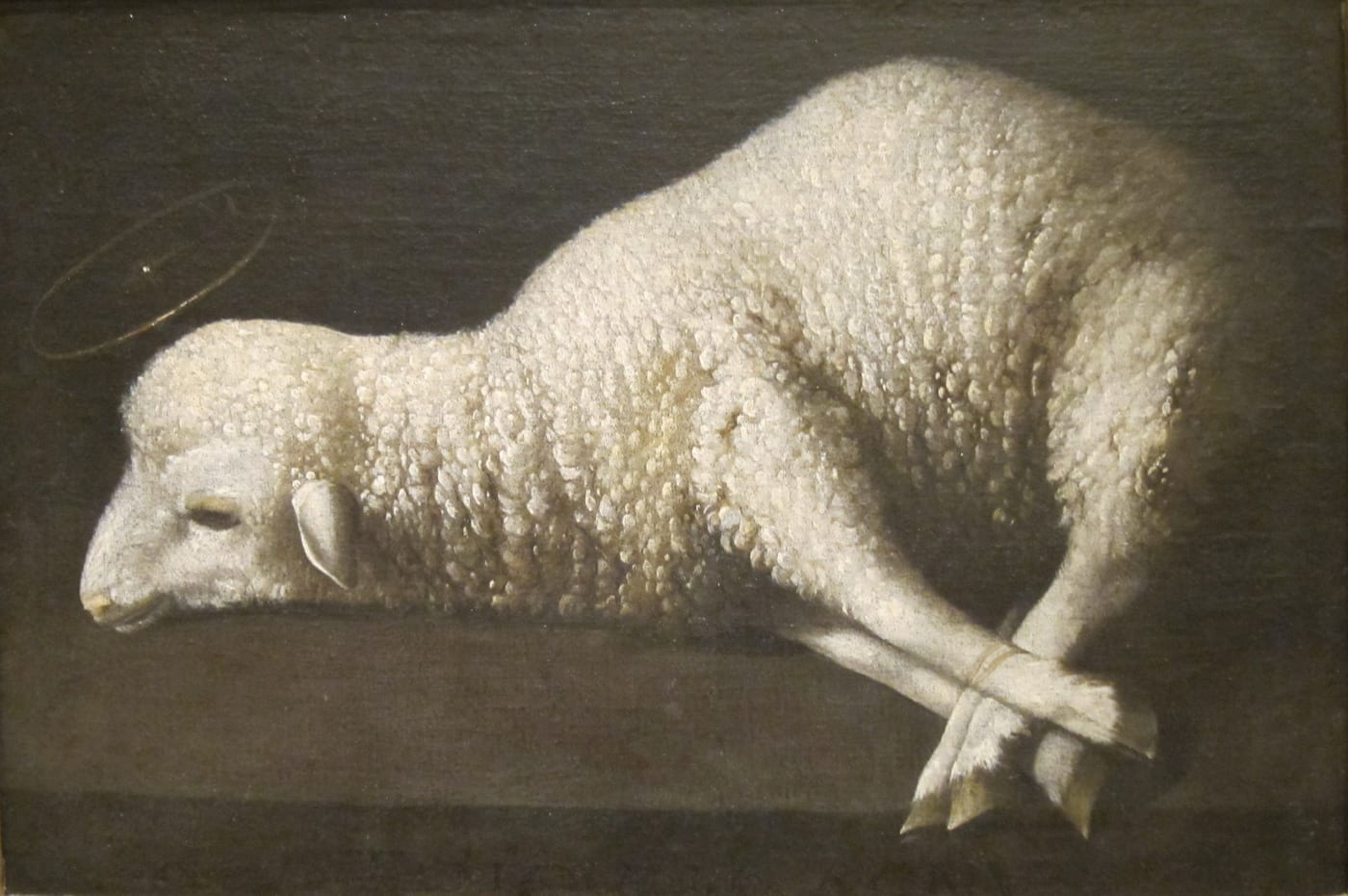
Sheep (Hebrew ṣōn / kebes; Greek probaton) are the central pastoral metaphor of the biblical text. The shepherd-sheep relationship frames divine-human relations in Psalm 23 ('The Lord is my shepherd'), Ezekiel 34 (the indictment of Israel's bad shepherds), John 10 (Jesus as the Good Shepherd), and Luke 15 (the Parable of the Lost Sheep). Isaiah 53:6 uses the sheep's straying to characterize universal human waywardness. Matthew 25:31–46 separates the righteous (sheep) from the condemned (goats) at the final judgment. The sheep is the dominant biblical figure for humanity in need of divine guidance.
The sheep metaphor is everywhere in the Bible because sheep were everywhere in ancient Israelite life. The legal codes of Leviticus and Deuteronomy regulate their ownership and sacrifice at length. The patriarchs are shepherds. David was a shepherd before he was a king, and the pastoral origins informed how he wrote (or was credited with writing) the Psalms. Jesus addresses shepherd-sheep parables to audiences who knew exactly what a sheep that wandered from the flock faced in first-century Judea. When you read the metaphors carefully, they contain very specific pastoral knowledge.
Psalm 23: the foundational shepherd Psalm
Psalm 23 opens with the declaration "The Lord is my shepherd; I shall not want" and proceeds through specific pastoral images: "He makes me lie down in green pastures. He leads me beside still waters." The Hebrew for "still waters" (mê menūḥôt) means waters of rest — the specific type of calm water that sheep will drink from, as opposed to fast-moving water that disturbs them. This is not generic pastoral poetry; it is accurate sheep-husbandry observation. The rod (to drive away predators) and the staff (to guide and retrieve sheep from rough terrain) are the shepherd's two working tools. The anointing with oil was a remedy for the nose-flies and parasites that plagued sheep in Near Eastern summers.
The Psalm's move from pastoral to royal imagery — "You prepare a table before me in the presence of my enemies; you anoint my head with oil; my cup overflows" (v. 5) — has generated much scholarly comment. The transition reflects the double identity of the Psalm's traditional author: David was simultaneously the shepherd boy and the anointed king. The divine shepherd both tends the flock and hosts the royal banquet.
Ezekiel 34: the indictment of bad shepherds
Ezekiel 34 is the extended political allegory of the unfaithful shepherds of Israel. "Woe to the shepherds of Israel who have been feeding themselves! Should not shepherds feed the sheep? You eat the fat, you clothe yourselves with the wool, you slaughter the fat ones, but you do not feed the sheep" (vv. 2–3). The allegory is political: the shepherds are the kings and leaders of Israel who have exploited the people rather than protecting them. God announces that he will personally assume the shepherd role, gathering the scattered sheep himself (vv. 11–16) and setting up his servant David as a shepherd-prince (v. 23–24).
Jesus's Good Shepherd discourse in John 10 is partly a direct response to Ezekiel 34: "I am the good shepherd. The good shepherd lays down his life for the sheep" (v. 11), in contrast to the "hired hand" who abandons the sheep when the wolf comes. The contrast with Ezekiel's bad shepherds is structural.
Luke 15: the lost sheep and the inversion of pastoral logic
Luke 15:3–7 records the Parable of the Lost Sheep, which Jesus tells in response to Pharisees criticizing his association with sinners and tax collectors. A shepherd has one hundred sheep; one goes missing. He leaves the ninety-nine and searches for the one until he finds it. From a practical shepherd's perspective, this is bad math — leaving ninety-nine unguarded to find one exposes the whole flock to risk. Jesus's parable makes this pastoral nonsense deliberately to state a theological point: divine valuation does not follow normal economic logic. The one-over-the-ninety-nine argument is Jesus's answer to why he eats with sinners.
Frequently asked
- What do sheep symbolize in the Bible?
- Sheep in the Bible are primarily the people of Israel (and by extension humanity) in need of divine guidance and protection. The shepherd-sheep metaphor runs from Psalm 23 through Ezekiel 34's indictment of bad shepherds through Jesus's Good Shepherd discourse in John 10. The lost sheep of Luke 15 is the individual who has strayed and is worth pursuing individually. Isaiah 53:6 uses sheep to describe universal human waywardness. In Matthew 25, 'sheep' are the righteous who will inherit the Kingdom at the final judgment.
- What is the theological significance of Psalm 23?
- Psalm 23 ('The Lord is my shepherd; I shall not want') is the most-recited Psalm in world history and the canonical expression of the sheep metaphor in personal devotion. The Psalm is attributed to David, himself a former shepherd. Its language draws on the pastoral economy of ancient Israel: leading to water, anointing with oil (a remedy for nose-flies in sheep), the rod and staff of the shepherd. The Psalm's movement from pastoral to royal imagery ('a table... in the presence of my enemies') reflects the transition from the shepherd's field to the divine court.
- What is the Parable of the Lost Sheep?
- Luke 15:3–7 (parallel Matthew 18:12–14) records Jesus's parable: a shepherd with one hundred sheep leaves the ninety-nine to find the one that is lost. When found, the shepherd celebrates with neighbors. Jesus's application: 'there will be more joy in heaven over one sinner who repents than over ninety-nine righteous persons who need no repentance.' The parable inverts pastoral common sense — leaving ninety-nine unguarded for one straying animal is poor husbandry — to make the point that divine valuation does not follow the logic of efficient resource management.
- What does 'sheep without a shepherd' mean in the Bible?
- The phrase 'sheep without a shepherd' appears at leadership transitions: Numbers 27:17, Moses's prayer that God appoint a successor so Israel 'will not be like sheep without a shepherd'; 1 Kings 22:17, Micaiah's vision of Israel scattered on the hills 'like sheep without a shepherd' after Ahab's death. Matthew 9:36 records Jesus seeing the crowds as 'harassed and helpless, like sheep without a shepherd.' The image is consistently one of a people who need direction and protection and are not receiving it — a political-pastoral indictment of failed leadership.
Sources
- PRIMARYPsalm 23 (BHS) — The Lord as shepherd, the speaker as sheep: 'The Lord is my shepherd; I shall not want.' The most-recited Psalm in world history and the canonical expression of the sheep-and-shepherd metaphor.
- PRIMARYEzekiel 34 (BHS) — The extended allegory of the bad shepherds of Israel and God as the true shepherd. The sheep represent the people of Israel; their neglect by their leaders is the central indictment.
- PRIMARYMatthew 25:31–46 (NA28) — The Parable of the Sheep and the Goats: at the final judgment, the righteous are separated to the right as sheep and the condemned to the left as goats. The sheep = saved equation.
- PRIMARYJohn 10:1–18 (NA28) — The Good Shepherd discourse: Jesus as the door of the sheepfold and as the good shepherd who lays down his life for the sheep. The most sustained sheep-shepherd metaphor in the Gospels.
- PRIMARYLuke 15:3–7 (NA28) — The Parable of the Lost Sheep: the shepherd leaves the ninety-nine to find the one lost sheep. Parallel in Matthew 18:12–14.
- PRIMARYIsaiah 53:6 (BHS) — 'All we like sheep have gone astray; we have turned — every one — to his own way.' The sheep-as-straying-humanity figure in the Suffering Servant passage.
- PRIMARYNumbers 27:17; 1 Kings 22:17 (BHS) — Israel described as 'sheep without a shepherd' at leadership transitions — one of the most frequently recurring political metaphors in the Hebrew Bible.