Book recommendations
Best Books on Celtic Mythology: A Ranked, Honest Guide
Five books that cover the actual traditions — primary texts first, scholarship second, popular overviews last.
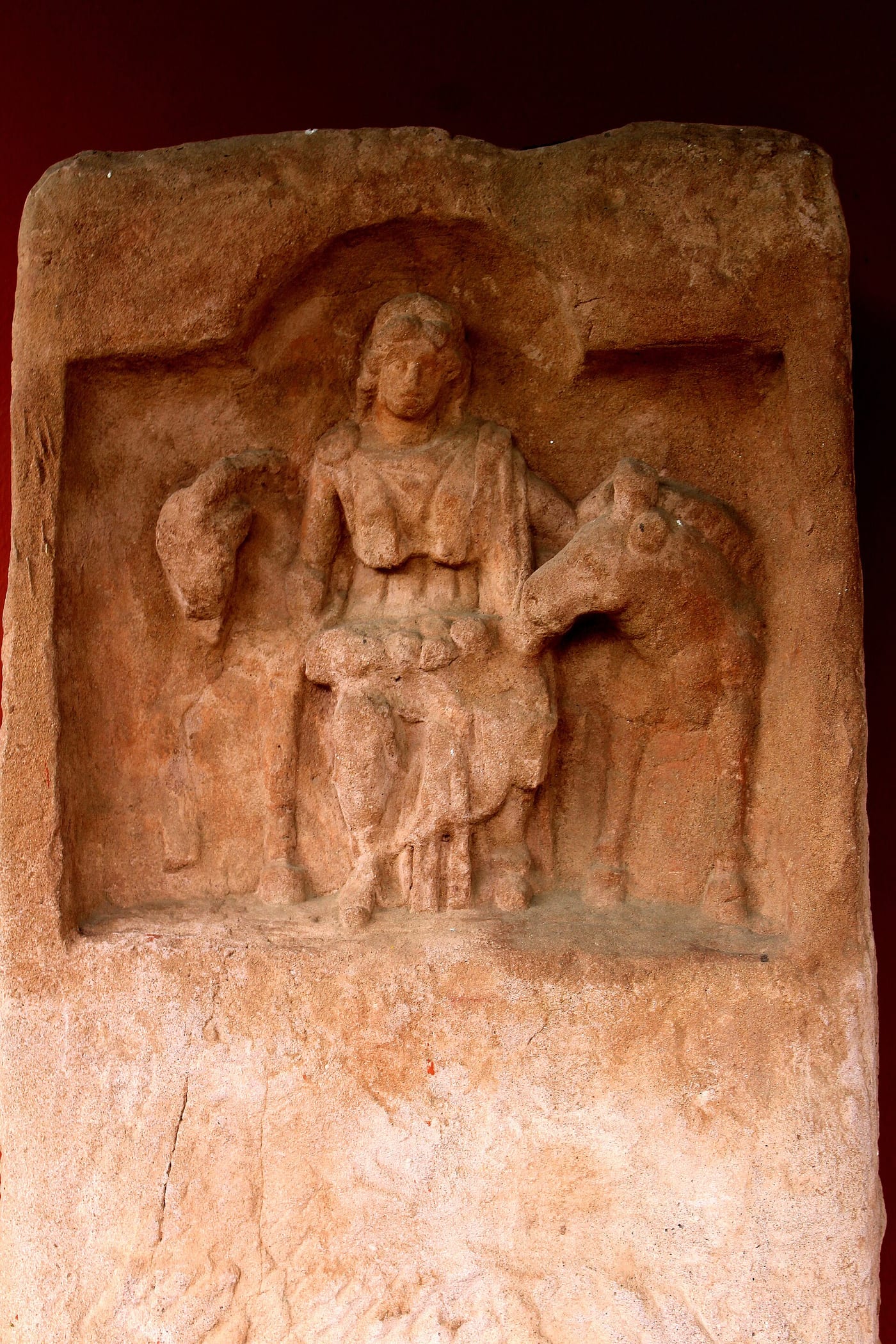
Start with the primary texts: Sioned Davies's translation of The Mabinogion (Oxford World's Classics, 2007) for Welsh tradition and Jeffrey Gantz's Early Irish Myths and Sagas (Penguin Classics, 1981) for Irish. For Celtic animal symbolism specifically, Miranda Green's Animals in Celtic Life and Myth (Routledge, 1992) is the definitive scholarly treatment. Proinsias Mac Cana's Celtic Mythology (Hamlyn, 1970) is the best compact scholarly overview. Alwyn and Brinley Rees's Celtic Heritage (Thames & Hudson, 1961) is where the serious structural analysis lives.
Celtic mythology is not a unified tradition. There are Irish cycles (mythological, Ulster, Fenian, historical), Welsh narratives (the Mabinogi, Arthurian), Gaulish inscriptions, Romano-Celtic iconography, Breton and Cornish fragments. The books below cover the main bodies of evidence without pretending they all fit one system.
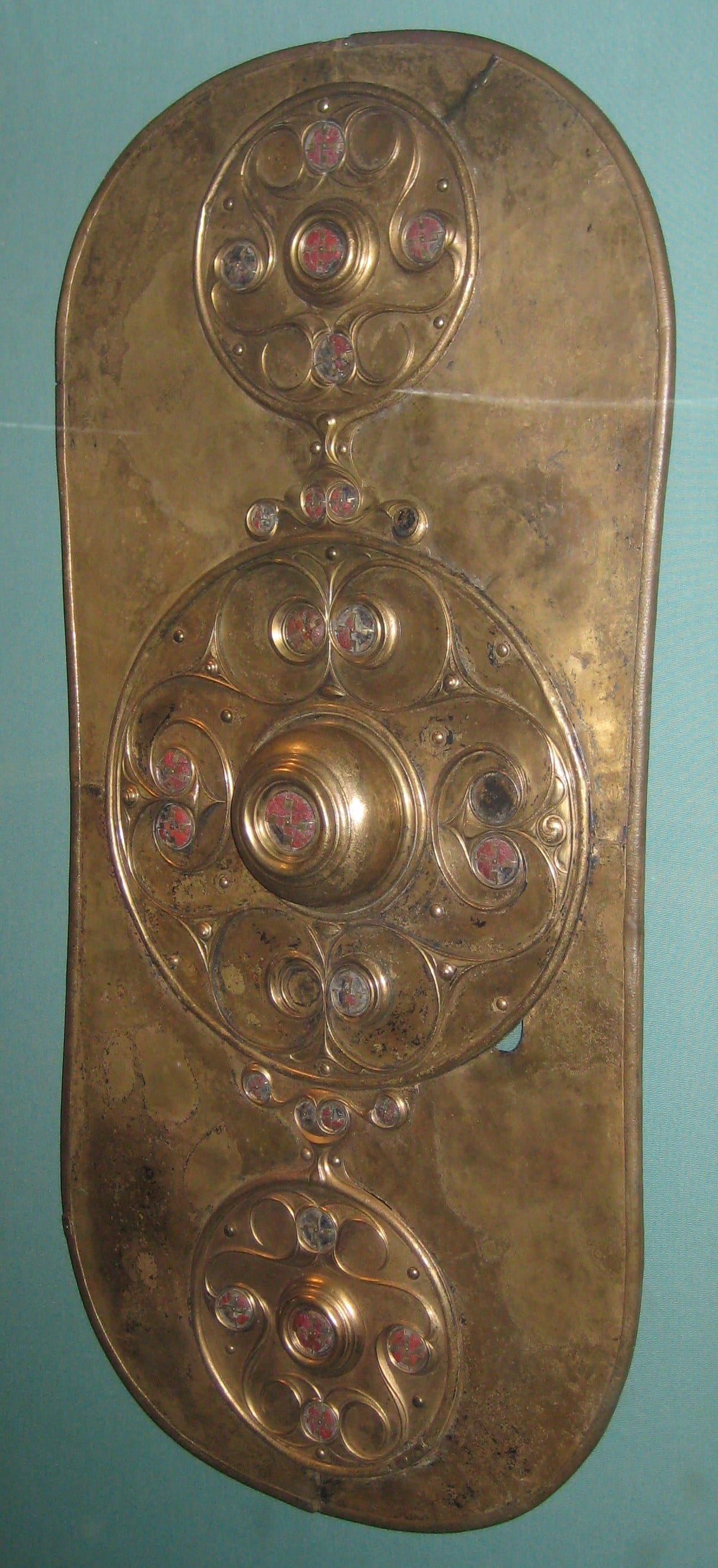
- #1 Animal Symbolism
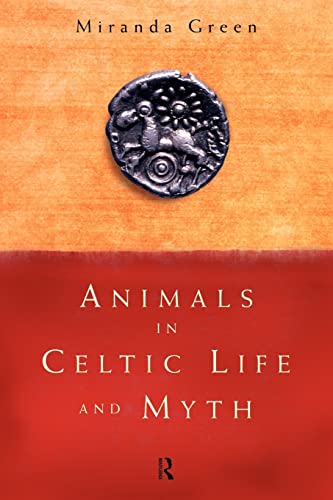
Animals in Celtic Life and Myth
The definitive scholarly treatment of how animals functioned in Celtic religion, economy, and mythology. Green documents animal sacrifice, divine animal companions, shape-shifting narratives, and the specific iconographic traditions (the bull, the stag, the hare, the swan) across Gaulish, Irish, and British evidence. More focused and primary-source-heavy than any general Celtic mythology overview. The essential book for spirit-animal work in the Celtic tradition.
- #2 Primary Texts
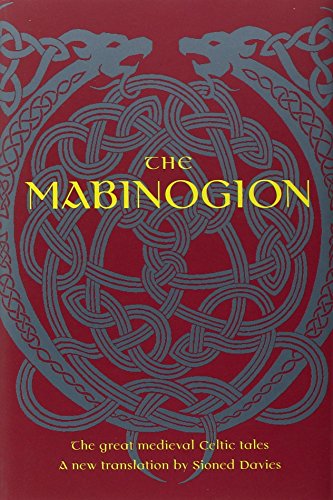
The Mabinogion
The standard modern English translation of the Welsh prose narratives — the foundational primary texts for Celtic mythology in Britain. Davies's translation is authoritative and her introduction is among the best scholarly orienting essays on the material. The Four Branches, the Arthurian romances, and the native tales: this is where the White Stag, the enchanted stag-hunt, and Pwyll's otherworld encounter live. Read it before any secondary source on Welsh or Arthurian tradition.
- #3 Primary Texts
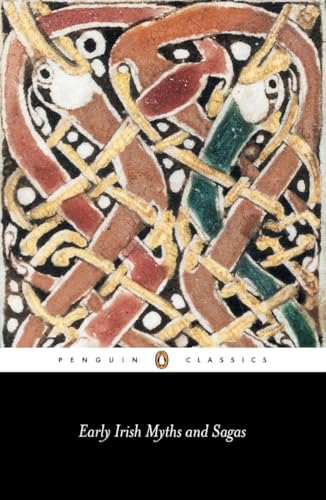
Early Irish Myths and Sagas
The most accessible English translation of the Old Irish mythological and Ulster cycle narratives. Gantz covers the Lebor Gabála Érenn context, the Tuatha Dé Danann, the Mabinogi's Irish counterparts, and the Cu Chulainn cycle. The introduction is clear about the translation challenges and the manuscript tradition. For Celtic animal symbolism from the Irish side (the sacred stag of Fionn's hunts, the shape-shifting of Cú Chulainn, the divine hound Sceolán), this is the primary source.
- #4 Overview
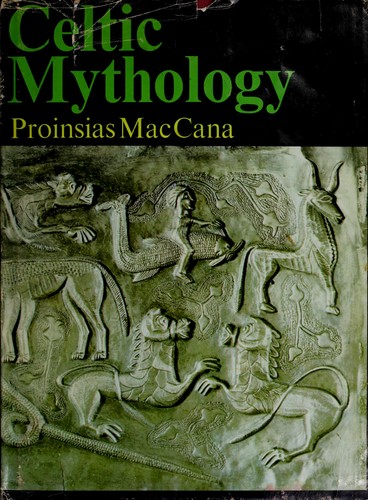
Celtic Mythology
Mac Cana's overview is the compact scholarly introduction that has held up since 1970. It covers the mythological cycles, the divine figures, and the cosmological framework without the length of a full academic monograph. Written by a scholar of Old Irish at University College Dublin, it's grounded in the actual texts rather than popular synthesis. Good first book for the tradition before diving into the primary sources.
- #5 Structural Scholarship
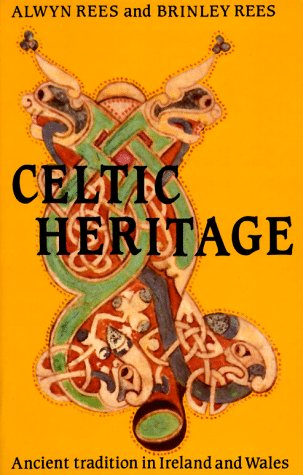
Celtic Heritage: Ancient Tradition in Ireland and Wales
The most intellectually serious structural analysis of Celtic mythology in English. The Rees brothers apply comparative mythology (drawing on Georges Dumézil's Indo-European trifunctionalism) to the Irish and Welsh narrative traditions, revealing the cosmological framework underlying the tales. Denser than the other books on this list, and more demanding — but it's where the real analytical depth lives. Read Mac Cana first, then this.
Frequently asked
- What is the best book on Celtic mythology?
- Depends on what you need. For primary texts: Sioned Davies's translation of The Mabinogion (Oxford World's Classics, 2007) and Jeffrey Gantz's Early Irish Myths and Sagas (Penguin Classics, 1981) are the standard modern English translations of the foundational Welsh and Irish narratives. For animal symbolism specifically: Miranda Green's Animals in Celtic Life and Myth (Routledge, 1992) is the definitive scholarly treatment. For an accessible scholarly overview: Proinsias Mac Cana's Celtic Mythology (Hamlyn, 1970) remains the best compact introduction.
- What is the Mabinogion?
- The Mabinogion is a collection of Welsh prose narratives preserved in two medieval manuscripts: the White Book of Rhydderch (c. 1350) and the Red Book of Hergest (c. 1382–1410). The Four Branches — Pwyll, Branwen, Manawydan, and Math — are the core mythological texts; the collection also includes Arthurian romances (Culhwch and Olwen, The Dream of Rhonabwy) and the native tales (The Dream of Maxen Wledig, Lludd and Llefelys). Sioned Davies's 2007 Oxford World's Classics translation is the current scholarly standard.
- Who is Cernunnos in Celtic mythology?
- Cernunnos is an antlered deity attested in Gaulish and Romano-Celtic iconography, named once epigraphically on the Pillar of the Boatmen (c. 14–37 CE, Notre-Dame de Paris). His most famous depiction is on the Gundestrup Cauldron (c. 1st century BCE), where he appears cross-legged, holding a torc and a serpent, surrounded by stags. Miranda Green's Animals in Celtic Life and Myth (Routledge, 1992) provides the fullest scholarly treatment of his iconographic tradition.
- What are the best books on Irish mythology?
- Jeffrey Gantz's Early Irish Myths and Sagas (Penguin Classics, 1981) is the most accessible translation of the Old Irish mythological and Ulster cycles. For the Ulster Cycle specifically, Thomas Kinsella's The Tain (Oxford, 1970) translates the central epic Táin Bó Cúailnge. John Koch and John Carey's The Celtic Heroic Age (Celtic Studies Publications, 2000) collects primary texts with scholarly apparatus. Alwyn and Brinley Rees's Celtic Heritage (Thames & Hudson, 1961) provides the structural framework for understanding what the narratives are actually doing.