Book recommendations
Best Books on Japanese Folklore: A Ranked, Honest Guide
Five books on yokai, kitsune, and Japanese supernatural tradition: from the scholarly standard to the best illustrated field guide.
Michael Foster's The Book of Yokai (UC Press, 2015) is the scholarly standard for Japanese supernatural folk culture in English. For the literary tradition, the Tuttle annotated edition of Lafcadio Hearn's Kwaidan (2022) pairs the original 1904 prose with Foster's scholarly annotations. Matthew Meyer's Night Parade of One Hundred Demons (2012) and The Hour of Meeting Evil Spirits (2015) are the most comprehensive illustrated references. Yokai Attack! by Hiroko Yoda and Matt Alt (Kodansha, 2008) is the most accessible starting point for identifying specific creatures.
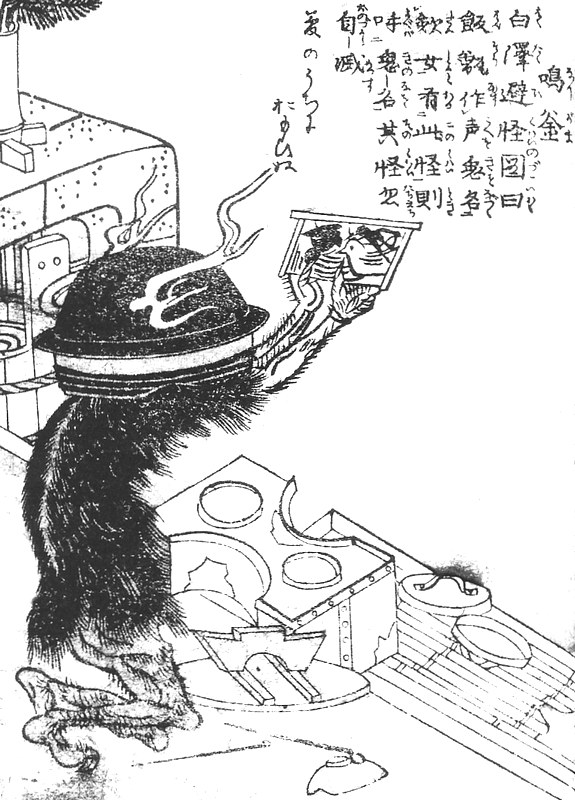
Japanese folklore documentation has a longer continuous tradition than most Western equivalents: Toriyama Sekien's four-volume illustrated yokai catalogue began in 1776, the Hyakumonogatari Kaidankai (One Hundred Supernatural Tales) ghost-story tradition is documented from the Edo period, and the academic field of yokai studies is well-established in Japan. The books below cover the material for English-language readers.
- #1 Scholarly Standard
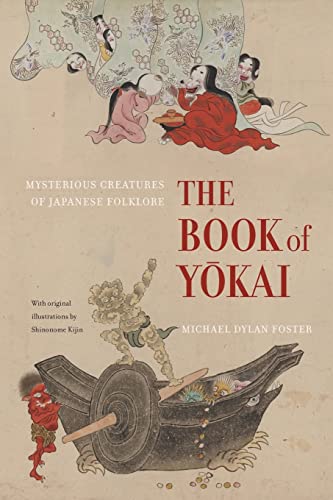
The Book of Yokai: Mysterious Creatures of Japanese Folklore
The scholarly standard in English on the yōkai tradition. Foster covers the history of yokai documentation (from the Edo-period Toriyama Sekien compendiums through the 20th century revival), the taxonomy of supernatural beings, and the specific creatures most relevant to spirit-animal traditions: kitsune, tanuki, tengu, and the broader categories of kami and yūrei. The single most useful academic book for understanding Japanese supernatural animal culture.
- #2 Classic Literature
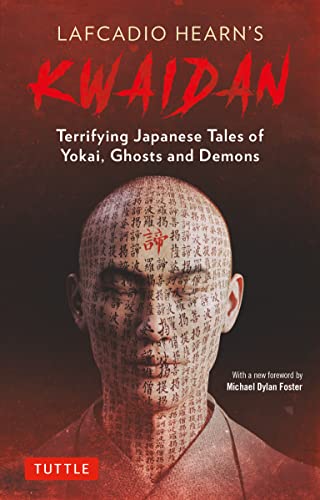
Lafcadio Hearn's Kwaidan: Terrifying Japanese Tales of Yokai, Ghosts, and Demons
Hearn's 1904 collection of Japanese folk tales — the first major English-language treatment of supernatural Japan — paired with Michael Foster's scholarly annotations that identify sources, clarify cultural context, and note where Hearn romanticized or simplified. The base text is beautiful and captures something the scholarly accounts don't; the annotations add what the base text lacks. The ideal entry point for readers who want both the literary and the scholarly layer.
- #3 Accessible Guide
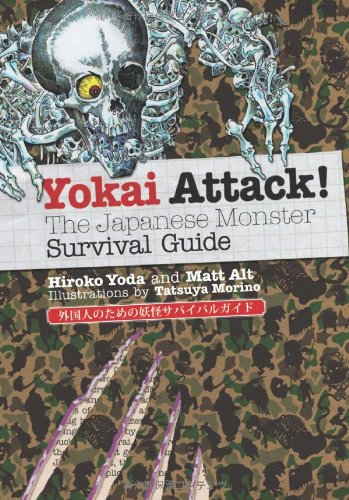
Yokai Attack! The Japanese Monster Survival Guide
The most accessible and entertaining introduction to the specific creatures of Japanese folklore. Yoda and Alt profile forty-nine yokai in detail, drawing on Toriyama Sekien, Mizuki Shigeru, and primary documentary sources. Each entry gives the creature's name in kanji, its historical documentation, its appearance, and what to do if you encounter it. The tongue-in-cheek framing shouldn't obscure the genuine research behind each entry. The best starting point for identifying specific yokai.
- #4 Illustrated Reference
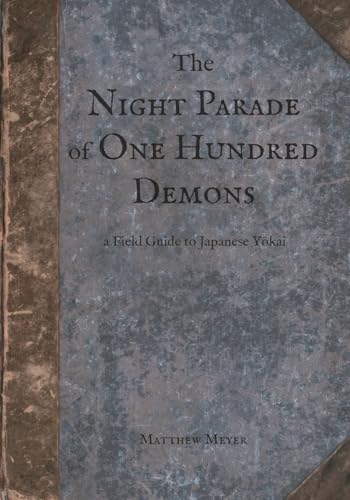
The Night Parade of One Hundred Demons: A Field Guide to Japanese Yokai
The most visually comprehensive modern yokai reference. Meyer's detailed watercolor illustrations, one per creature in a consistent detailed style, are the first Western illustrated compendium to engage with the Hyakumonogatari Kaidankai tradition at the level it deserves. Each entry cites original sources: Toriyama Sekien's 1776–81 tetralogy, the Edo-period kaidan collections, specific legend traditions. Meyer's follow-up volume, The Hour of Meeting Evil Spirits, is equally strong and covers many creatures not in this volume.
- #5 Illustrated Reference
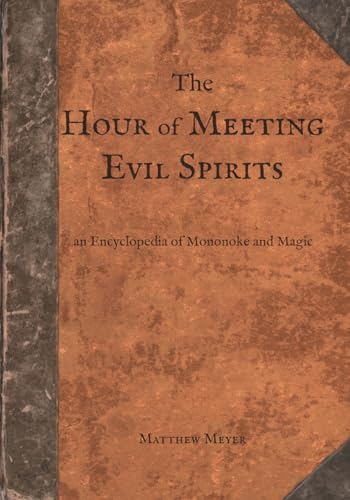
The Hour of Meeting Evil Spirits: An Encyclopedia of Mononoke and Magic
Meyer's second compendium, covering the mononoke tradition — spirits that haunt specific objects, places, or moments in time. The hour of the ox (2–3 AM) is the title's reference: the time when evil spirits are most active in the folk tradition. The entries here cover creatures less frequently treated in popular sources: the transformed objects (tsukumogami), the environmental spirits (satokaze, yamaotoko), and the curse-spirits that appear in specific ritual contexts. Pairs with Night Parade rather than replacing it.
Frequently asked
- What is a yokai?
- Yokai (妖怪) is a broad Japanese category covering supernatural entities, spirit-beings, and strange phenomena. The category includes shape-shifting animal spirits (kitsune: fox, tanuki: raccoon dog, tengu: crow/mountain spirit), animated objects (tsukumogami), environmental spirits, and phenomena without clear Western equivalents. Michael Foster's The Book of Yokai (UC Press, 2015) is the standard English-language scholarly treatment. Toriyama Sekien's Gazu Hyakki Yakō (1776), the foundational Edo-period illustrated yokai catalogue, is the primary iconographic source.
- What is the kitsune in Japanese folklore?
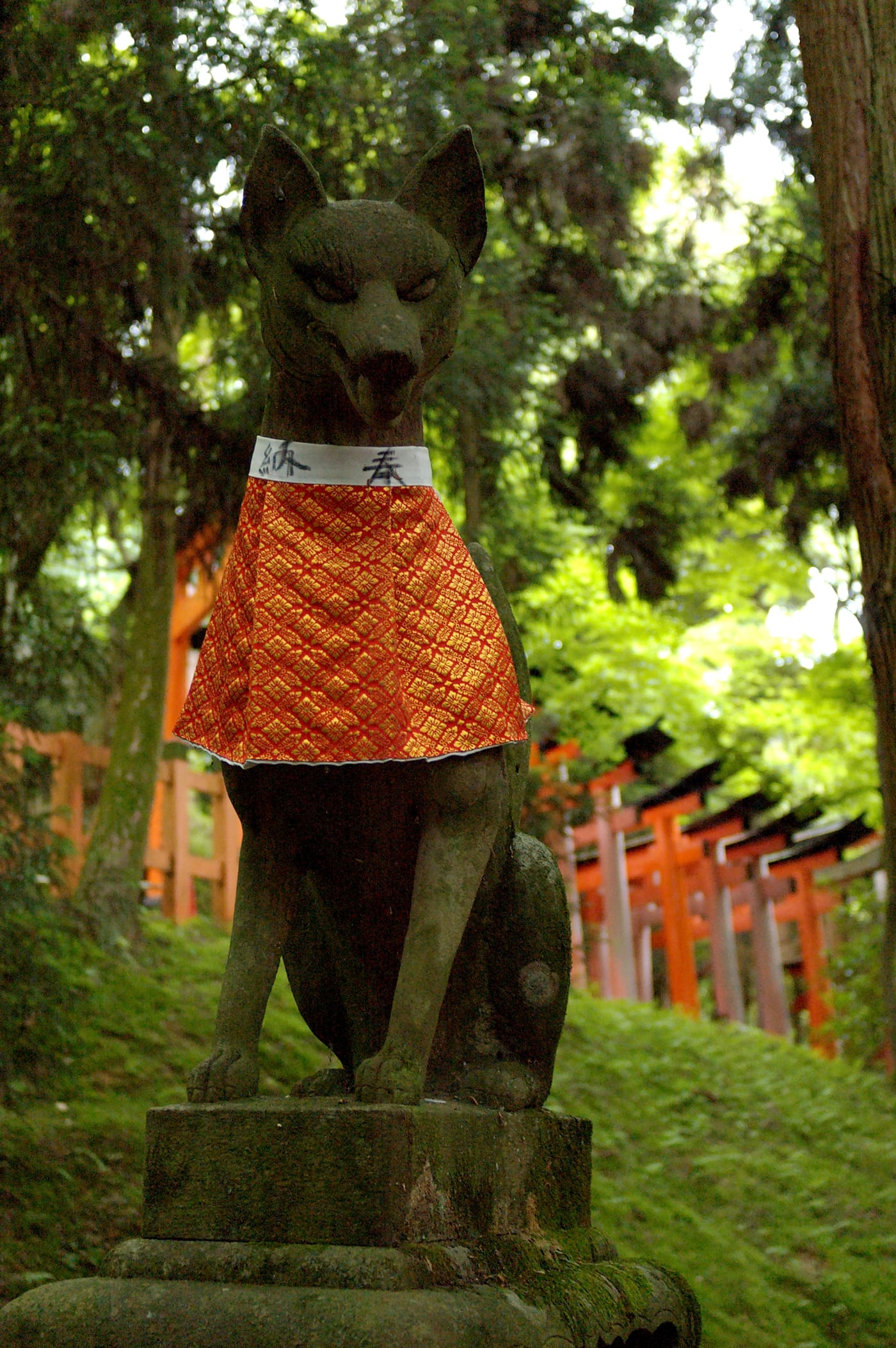
- Kitsune (狐) is the Japanese fox-spirit, the messenger and symbol of the deity Inari Ōkami (harvest, fertility, and commerce). White foxes flank the entrances of Japan's 30,000+ Inari shrines. In folk tradition, kitsune are shapeshifters capable of human form, with wisdom and power increasing with age; a nine-tailed kitsune is the most ancient and powerful. Lafcadio Hearn's Kwaidan (1904) collected popular kitsune accounts in English; Michael Foster's The Book of Yokai (2015) provides the scholarly context.
- Who was Lafcadio Hearn?
- Lafcadio Hearn (1850–1904) was a Greek-Irish journalist who moved to Japan in 1890, became a Japanese citizen under the name Koizumi Yakumo, and married into a samurai family. His Kwaidan (1904), published in Boston the year he died, collected Japanese ghost stories and supernatural tales from oral tradition and literary sources. It was the first major English-language treatment of Japanese supernatural folk culture and remains the best-written single introduction to the subject. Michael Foster's annotated 2022 Tuttle edition is the best current text for English readers.
- What is the difference between kami and yokai?
- Kami are divine beings or forces in Shinto cosmology — not necessarily personified, covering everything from major deities (Amaterasu, Inari) to local protective spirits of particular places. Yokai are a broader, more diffuse category of strange and supernatural entities, many of whom are morally ambiguous or actively threatening. The boundary is permeable: a powerful kitsune can be both yokai and kami depending on context. Michael Foster's The Book of Yokai (UC Press, 2015) covers this distinction in depth in the first chapter.