Book recommendations
Best Books on Norse Mythology: From Edda to Gaiman
Eight books in order of how primary their source material is, starting with Snorri Sturluson's 13th-century text and ending with Neil Gaiman's 2017 retelling.
The two Eddas (Prose Edda, trans. Faulkes; Poetic Edda, trans. Larrington or Crawford) are the primary sources for Norse mythology, everything else is downstream. Neil Price's The Viking Way is the scholarly standard for Norse supernatural practice including the fylgja. Neil Gaiman's Norse Mythology (2017) is the most widely read popular retelling, honest about being a retelling, worth knowing because it's the version most people have encountered.
Norse mythology is unusual among world mythological traditions in that its primary sources are specific, well-edited, and available in good English translations. The Prose Edda and Poetic Edda are real books you can actually buy and read. Starting there rather than with modern retellings or New Age interpretations changes everything about how you understand the material, including why specific animals (the wolf, the raven, the eagle) mean what they do.
The two Eddas aren't the same text under different names. The Poetic Edda is the older, anonymous compilation, its mythological and heroic poems collected in the Codex Regius manuscript around 1270. The Prose Edda is Snorri Sturluson's own 13th-century composition, written as a handbook for poets, and its prose narratives exist to explain the mythological background behind kennings, the poetic circumlocutions dense Old Norse verse relies on. Snorri drew on the same older oral tradition the Poetic Edda preserves, but he was a 13th-century Christian Icelander, and that lens shows. Read both, and you get the raw material next to Snorri's own gloss on it.
- #1
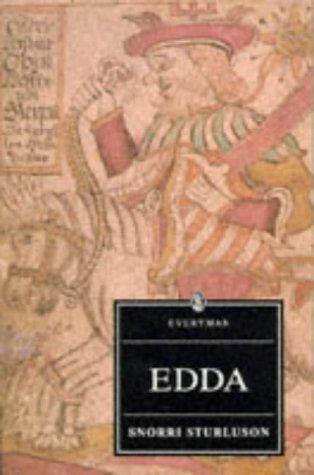
Prose Edda
The primary source for most of what popular culture calls Norse mythology. Snorri wrote it in 13th-century Iceland partly as a guide for poets and partly as a preservation effort; he was working from memory of older oral tradition. Faulkes's Everyman translation is the standard English edition. Every fylgja, Huginn and Muninn, and rainbow-bridge reference ultimately comes from here.
- #2
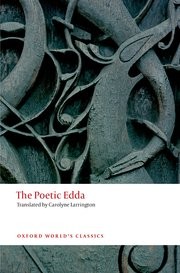
The Poetic Edda
The older primary source, the Codex Regius manuscript (c. 1270) containing the mythological poems (Völuspá, Hávamál, Grímnismál, and others). Larrington's revised OWC translation is cleaner than the older editions and includes the scholarly notes needed to follow the kennings and allusions. Read alongside the Prose Edda for the full picture.
- #3
The Viking Way: Magic and Mind in Late Iron Age Scandinavia
The scholarly standard on Norse seiðr, the fylgja tradition, and the full range of Old Norse supernatural practice. If you write about Norse animal symbolism, this is the book that separates serious treatment from fantasy. Dense and thorough, not light reading. For the fylgja specifically, two further specialist works go past what Price covers: Else Mundal's Fylgjemotiva i norrøn litteratur (1974, in Norwegian) and Gabriel Turville-Petre's older classic, Myth and Religion of the North (1964).
- #4
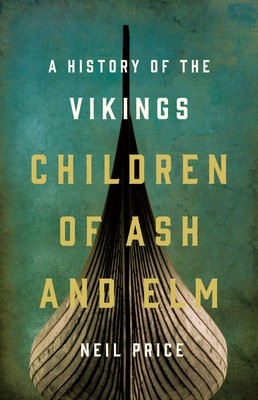
Children of Ash and Elm: A History of the Vikings
Price's accessible narrative history of the Viking Age for general readers. The chapters on Norse cosmology and ritual practice are the most useful for animal-symbolism purposes; the broader history provides essential context for understanding why the fylgja, the raven, and the wolf meant what they meant to people living that specific life.
- #5
Norse Mythology: A Guide to the Gods, Heroes, Rituals, and Beliefs
The reference book to keep beside the Eddas. After an introduction that sets the myths in their history and a chapter on mythic time, most of the book is entries on the deities, giants, places and themes of the mythology of Norway, Sweden, Denmark, Iceland and Viking-Age Greenland. When a poem names a giant or a hall you have never heard of, this is where you look it up.
- #6
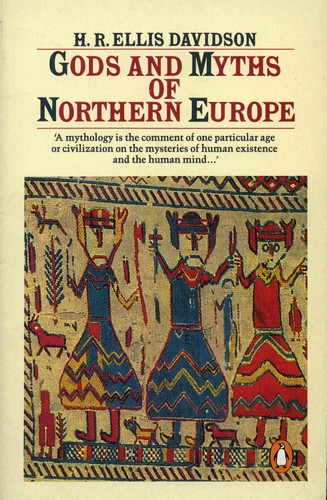
Gods and Myths of Northern Europe
A short survey of the pre-Christian gods of Scandinavia and the Germanic peoples, by a scholar who specialized in Norse and Germanic mythology. It covers the gods of war, fertility, the sky, the sea and the dead, takes on the puzzling figures of Heimdall, Balder and Loki, and asks why the old beliefs gave way to Christianity. Older than Price's books, so read it as the classic overview rather than the last word.
- #7
The Poetic Edda
Crawford's translation is the most readable modern English version and specifically designed for non-academic readers. Less scholarly apparatus than Larrington's but better as a first encounter with the poems. Crawford's YouTube channel extends the text helpfully.
- #8
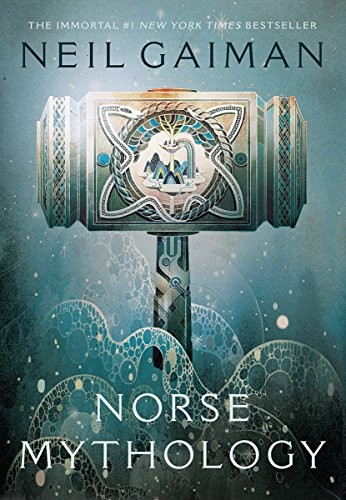
Norse Mythology
Not a primary source or a scholarly treatment. Gaiman retells the Norse myths as literary stories. Worth reading because it's the most widely read Norse mythology book in English right now, and understanding the popular version helps you see where it diverges from the Edda sources. Honest about being a retelling.