Book recommendations
Best Books on Spirit Animals and Animal Symbolism: A Ranked, Honest Guide
Ten books that actually deserve their shelf space, ranked in order of how much a serious reader needs to know them.
The most important starting point is Ted Andrews's Animal Speak (Llewellyn, 1993), not because it's the most accurate, but because it's the source most online content is paraphrasing. Reading it directly lets you evaluate everything downstream. For serious primary-source work on specific traditions, the list below goes deeper: Neil Price for Norse, Raymond DeMallie for Lakota, Vine Deloria Jr. for Indigenous ethics, Alfred Gell for Polynesian tattooing, Michael Foster for Japanese yōkai.
Ted Andrews's Animal Speak is on every spirit-animal reading list, and it belongs on this one. But it's there as a source to understand and evaluate, not to copy. The other nine books go behind it: primary texts, scholarly standards, and the specific traditions that Andrews synthesized. Each verdict notes what the book actually does, and where it falls short. One tradition isn't represented in the ten below: Cherokee animal lore. James Mooney's Myths of the Cherokee (1900) is the primary source there, old enough to be public domain and free to read via HathiTrust.
- #1 Foundation
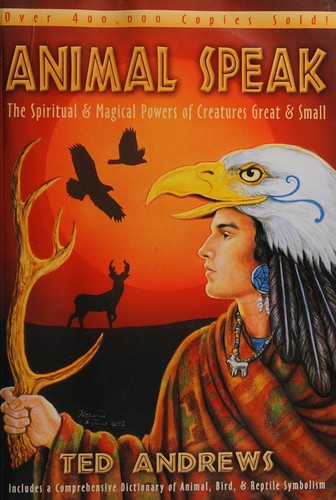
Animal Speak
The book that set the vocabulary of contemporary American spirit-animal culture. Andrews blends Lakota, Celtic, and Egyptian material into a generalized pop-spiritual framework, read it with that in mind. But it's the source most of the internet is paraphrasing, often without saying so, so knowing it is knowing the tradition.
- #2 Lakota Traditions
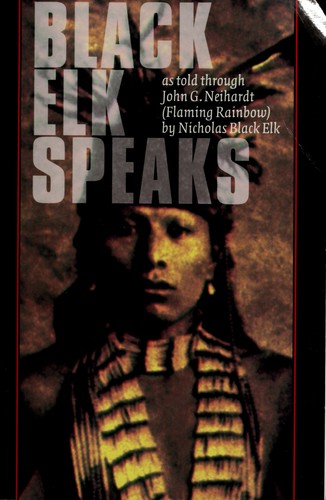
Black Elk Speaks
The most influential account of Lakota spirituality in English. Neihardt's literary adaptation is beautiful but is secondary source. Raymond DeMallie's The Sixth Grandfather (see below) is the primary. Read both, with that distinction in mind.
- #3 Lakota Traditions
The Sixth Grandfather: Black Elk's Teachings Given to John G. Neihardt
The actual 1931 interview transcripts from which Black Elk Speaks was adapted. DeMallie's edition is the primary document. Read it alongside Neihardt and you'll understand exactly what the literary adaptation changed, and why that matters for any serious engagement with Lakota animal traditions.
- #4 Cultural Ethics

God Is Red: A Native View of Religion
Deloria's most important book for understanding the difference between Indigenous ecological cosmology and both Western Christianity and New Age appropriation. Required reading before writing or tattooing anything labeled 'Native American spirit animal.'
- #5 Lakota Traditions
The Sacred Pipe: Black Elk's Account of the Seven Rites of the Oglala Sioux
The Seven Sacred Rites of the Oglala Sioux as recorded by Joseph Brown with Black Elk's participation. The primary source for understanding Lakota ceremonial life, including the vision quest and animal guardian spirit context. Much more specific than popular presentations.
- #6 Norse Traditions
The Viking Way: Magic and Mind in Late Iron Age Scandinavia
The scholarly standard on Norse seiðr, fylgja, and the full range of Old Norse supernatural practice. Price treats the animal-soul traditions seriously and with rigorous primary-source grounding. If you write about Norse spirit animals, this is the book that distinguishes serious treatment from fantasy. For the mythology side specifically, Gabriel Turville-Petre's Myth and Religion of the North (1964) is the older classic, and Snorri Sturluson's Prose Edda in the Faulkes translation (Everyman, 1987) is the primary text underneath all of it.
- #7 Japanese Traditions
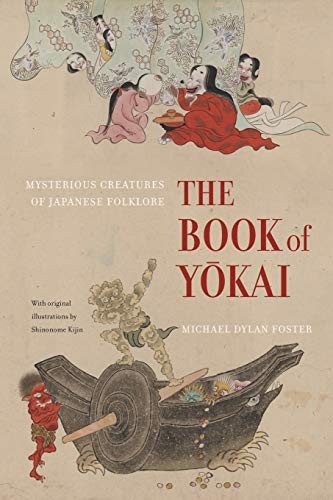
The Book of Yokai: Mysterious Creatures of Japanese Folklore
The most accessible scholarly treatment of the Japanese yōkai tradition, including the kitsune, tanuki, and dozens of other supernatural animals. Foster provides both the historical documentation (Sekien's 1776 compendium) and the contemporary cultural context.
- #8 Tattoo History
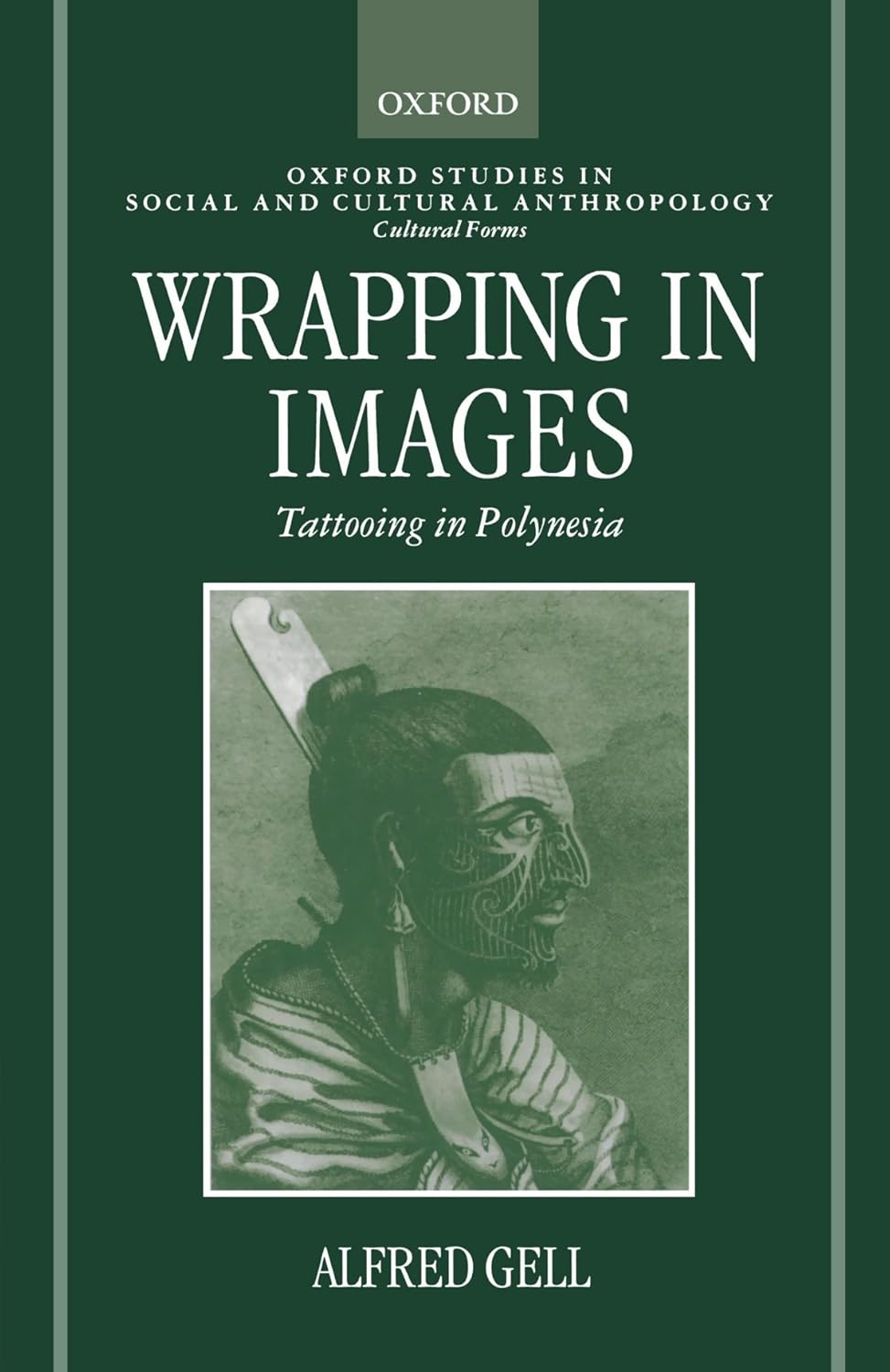
Wrapping in Images: Tattooing in Polynesia
The anthropological standard for Polynesian tatau traditions. Gell's analysis of how tattooing 'wraps' the person in cosmological and genealogical identity is essential for anyone writing about Polynesian tattoo meaning. Dense but worth it. For primary-source depth beyond Gell, Karl von den Steinen's Die Marquesaner und ihre Kunst (1925-28) documents Marquesan tattoo patterns directly, and Te Rangi Hīroa's The Coming of the Maori (1949) covers Māori tā moko from a Māori cultural authority rather than an outside observer.
- #9 Mythology
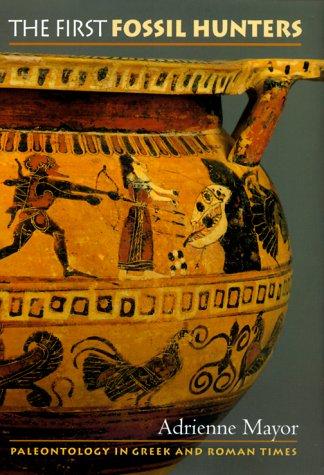
The First Fossil Hunters: Paleontology in Greek and Roman Times
Mayor's argument that many classical mythological animals, griffins, giants, monsters, were inspired by fossil discoveries. The Protoceratops-griffin hypothesis is the most compelling chapter. Changes how you read Herodotus on the creatures of the north.
- #10 Mythology
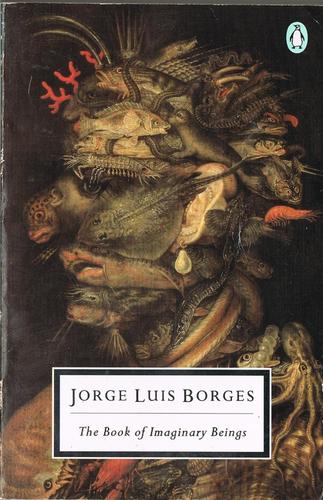
The Book of Imaginary Beings
Borges's comparative guide to mythological animals from A to Z across world traditions. The most literary and concise introduction to the subject in print. Not a scholarly monograph, it's closer to a poet's notebook, but its method (take each creature seriously on its own terms, find the primary texts) is exactly right.