Spirit Animal
Bobcat Spirit Animal
Bobcat spirit animal meaning: solitary hunting, patience and stealth. Traced to Cherokee wildcat narratives in Mooney 1900, the Hopi Toho kachina, and related Southwestern and Southeastern Indigenous traditions.
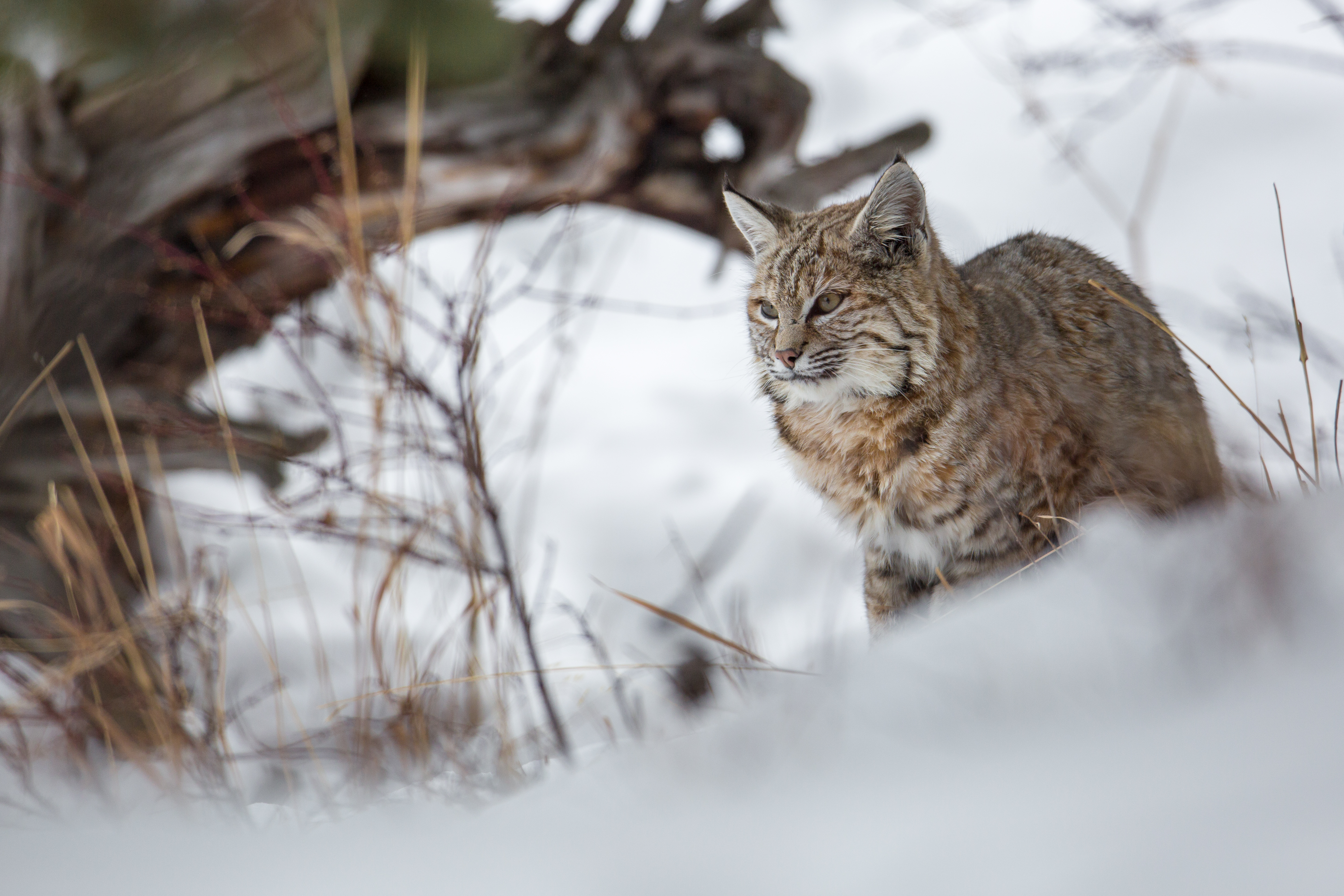
In modern pop-spiritual usage, the bobcat stands for solitary hunting, patient stalking, and the keeping of secrets. That reading comes through Ted Andrews's Animal Speak (Llewellyn, 1993). The deeper traditions are North American Indigenous. Cherokee narratives in James Mooney's Myths of the Cherokee (Smithsonian BAE, 1900) include wildcat origin stories; Barbara Duncan's Living Stories of the Cherokee (UNC Press, 1998) preserves contemporary Eastern Band material. Hopi Toho kachina is one of the hunter-kachina figures in Soyal ceremonies, documented in Frank Waters's Book of the Hopi (Viking, 1963) and the Sekaquaptewa Hopi Dictionary (University of Arizona Press, 1998).
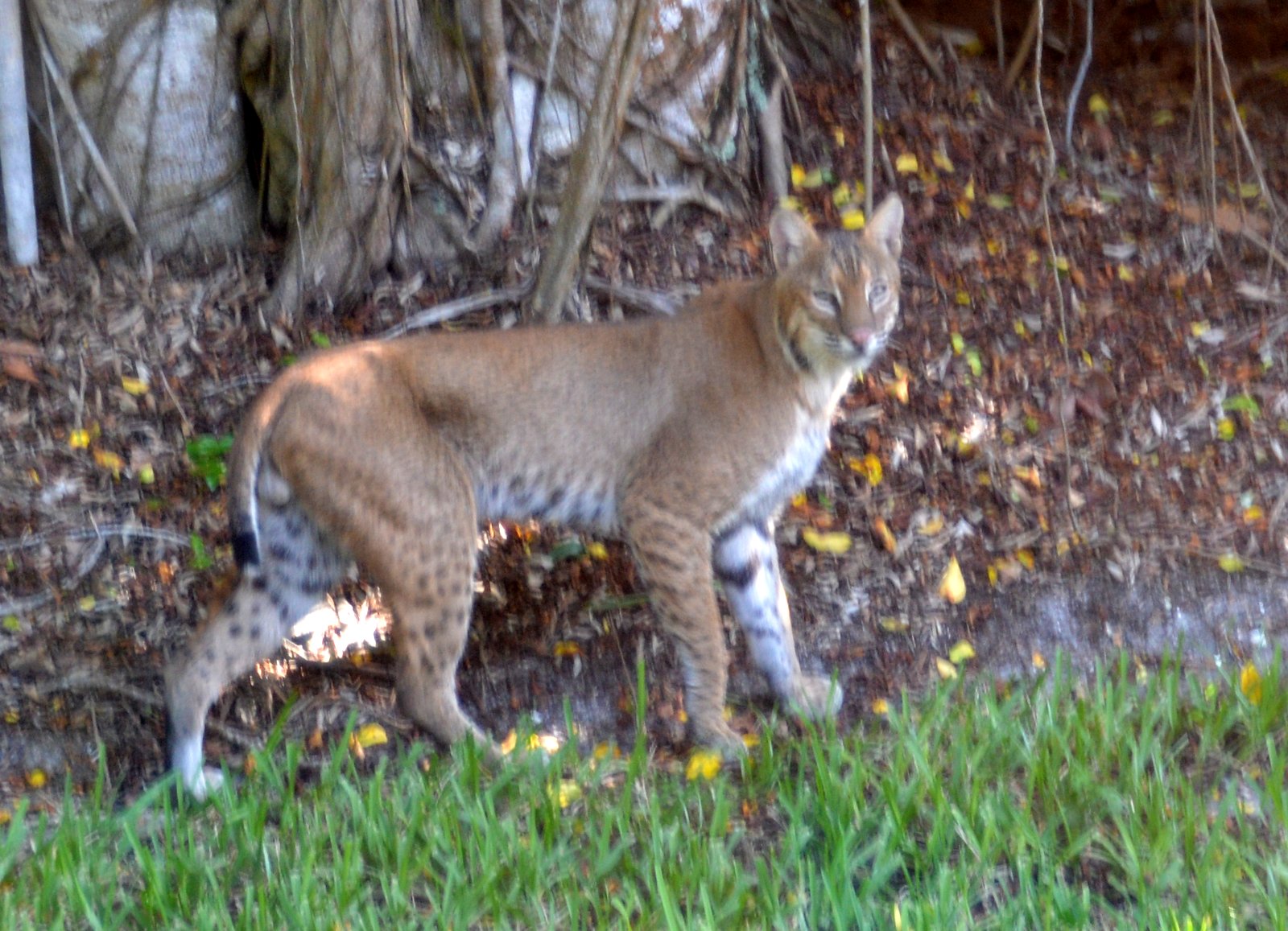
The bobcat is the most widely distributed wild cat in North America (present in every contiguous US state, ranging from southern Canada through central Mexico) and one of the most difficult to actually observe. They move through landscapes where people live without being seen for years. That quality, the visible-invisibility of a predator sharing habitat with millions of humans, is genuinely remarkable, and it is the quality that both Indigenous traditions and pop-spiritual readings have independently reached for.
Cherokee wildcat traditions
James Mooney’s Myths of the Cherokee (Smithsonian BAE Annual Report 19, 1900) records Cherokee wildcat narratives from named Eastern Band consultants in North Carolina. The wildcat in Cherokee oral tradition appears in origin-of-species stories, accounts of how specific animals got their characteristic features, including how the wildcat acquired its spots and its short bob-tail. Barbara R. Duncan’s Living Stories of the Cherokee (University of North Carolina Press, 1998) preserves contemporary Eastern Band Cherokee oral tradition with specific wildcat material from named storytellers, connecting the older Mooney corpus to living tradition.
The Cherokee wildcat tradition is about a specific animal, recorded by specific people, with specific sources. It is not a generic “wildcat as stealth” framework. The distinction between a named-tradition account and a biology-derived reading is the distinction that matters.
Hopi Toho kachina
The Hopi Toho is one of the hunter-kachina figures in Hopi religion, appearing in Soyal ceremonies and in the specific ceremonial complex associated with hunting and game animals. The mountain lion is the guardian of the north in Hopi cosmology; Toho represents the hunting-power associated with that directional guardian. Frank Waters’s Book of the Hopi (Viking, 1963) preserves Toho material from named Hopi elders, though Waters’s methodology has been contested in some points by contemporary Hopi scholars. Emory Sekaquaptewa’s Hopi Dictionary (University of Arizona Press, 1998) provides the linguistic grounding for the Toho name and related ceremonial vocabulary.
The Hopi kachina system is a living ceremonial practice, not a historical artifact. The Hopi Cultural Preservation Office maintains contemporary oversight of how Hopi ceremonial material is represented.
Andrews 1993
In Animal Speak, Andrews’s bobcat reads solitary patience and precise stalking, the quality of careful waiting before decisive movement. These are real behavioral qualities of the bobcat. It is a solitary ambush predator, not a pursuit predator; it waits rather than chases. The reading is honest to the biology and carries no pretense of ancient tradition. It is what it is: a modern synthesis from observation.
Across traditions
Cherokee (Mooney 1900, Duncan 1998)
James Mooney's Myths of the Cherokee (Smithsonian Bureau of American Ethnology Annual Report 19, 1900) records Cherokee wildcat narratives from named Eastern Band and Oklahoma-resident Cherokee informants. The bobcat appears in origin-of-species narratives alongside other animals. Barbara R. Duncan's Living Stories of the Cherokee (University of North Carolina Press, 1998) preserves contemporary Eastern Band Cherokee oral tradition with specific bobcat material from named storytellers.
- PRIMARY James Mooney, Myths of the Cherokee . Smithsonian BAE Annual Report 19, 1900.
- PRIMARY Barbara R. Duncan, Living Stories of the Cherokee . University of North Carolina Press, 1998.
Hopi (Toho kachina)
The Hopi Toho is one of the hunter-kachina figures in Hopi religion, appearing in Soyal ceremonies and specific hunting-related rituals. Frank Waters's Book of the Hopi (Viking, 1963) preserves the Toho material from named elders, though Waters's methodology has been contested by some contemporary Hopi scholars. Emory Sekaquaptewa's Hopi Dictionary: Hopìikwa Lavàytutuveni (University of Arizona Press, 1998) provides the linguistic grounding.
- PRIMARY Frank Waters, Book of the Hopi . Viking, 1963.
- PEER-REVIEWED Emory Sekaquaptewa et al., Hopi Dictionary . University of Arizona Press, 1998.
Ted Andrews (1993)
Andrews's 1993 bobcat is the solitary-hunting-patient-stalking figure drawn from observable biology. Specific Cherokee and Hopi attributions are absent.
- REFERENCE Ted Andrews, Animal Speak . Llewellyn, September 1993.
Working with the Bobcat
If you want a regular practice rather than a one-time read, an oracle deck is the standard tool: you draw a card and sit with whatever animal comes up. Our ranked guide to spirit animal oracle decks compares the field.
Frequently asked
- What does a bobcat symbolize spiritually?
- In modern pop usage, solitary hunting, patience, and stealth. The deeper traditions are North American Indigenous. Cherokee narratives in Mooney 1900 include wildcat origin stories. Hopi Toho is one of the hunter-kachina figures in Soyal ceremonies. Each tradition is nation-specific.
- Is the bobcat in Cherokee tradition?
- Yes. James Mooney's Myths of the Cherokee (Smithsonian BAE 1900) records Cherokee wildcat narratives from named elders. Barbara R. Duncan's Living Stories of the Cherokee (UNC Press, 1998) preserves contemporary Eastern Band material.
- What is the Hopi Toho kachina?
- Toho is one of the Hopi hunter-kachina figures, appearing in Soyal ceremonies. Frank Waters's Book of the Hopi (Viking, 1963) preserves material from named elders; Sekaquaptewa's Hopi Dictionary (UA Press, 1998) provides linguistic grounding.
Sources
- PRIMARY James Mooney, Myths of the Cherokee . Smithsonian BAE Annual Report 19, 1900.
- PRIMARY Barbara R. Duncan, Living Stories of the Cherokee . UNC Press, 1998.
- PRIMARY Frank Waters, Book of the Hopi . Viking, 1963.
- PEER-REVIEWED Emory Sekaquaptewa, Hopi Dictionary . University of Arizona Press, 1998.
- REFERENCE Ted Andrews, Animal Speak . Llewellyn, September 1993.