Spirit Animal
Chipmunk Spirit Animal
Chipmunk spirit animal meaning: industrious gathering, joyful attention and small-bright-energy. Traced to Haudenosaunee how-the-chipmunk-got-its-stripes narratives, Cherokee storytelling in Mooney 1900, and the North American woodland ecological context.
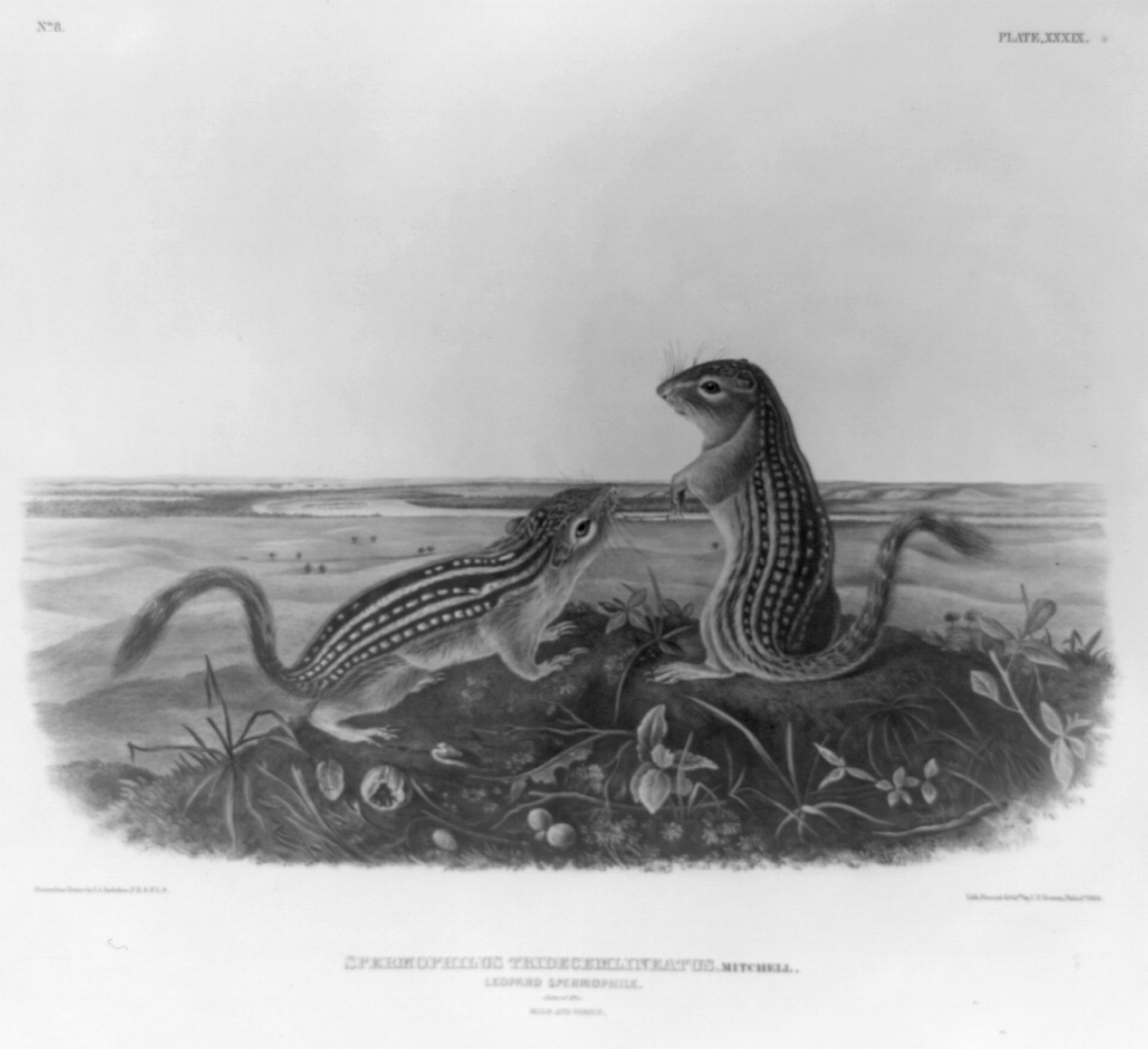
In modern pop-spiritual usage, the chipmunk stands for industrious gathering, joyful attention, and small-bright-energy. That reading comes through Ted Andrews's Animal Speak (Llewellyn, 1993). The deeper traditions are North American Indigenous. Haudenosaunee (Iroquois) 'how the chipmunk got its stripes' narratives appear in Hewitt's Iroquoian Cosmology (Smithsonian BAE 1903, 1928) and in contemporary Haudenosaunee storytelling. Cherokee material appears in Mooney's 1900 Myths of the Cherokee. The chipmunk is endemic to North America (genus Tamias, 25 species), so pre-modern Old World traditions do not cover it.
The chipmunk is a New World rodent (genus Tamias, 25 species in North America) which means no Old World tradition predates European contact has anything to say about it. The Greek, Egyptian, Norse, and Asian spiritual traditions simply did not encounter chipmunks. What exists is North American Indigenous, and it is specific.
The Haudenosaunee stripe origin narrative
J.N.B. Hewitt’s Iroquoian fieldwork for the Smithsonian’s Bureau of American Ethnology, published in two major reports (1903 and 1928), preserves Haudenosaunee narratives that include the chipmunk’s stripe origin story. The account runs essentially as follows: Chipmunk taunted Bear about whether Bear could stop the sun from rising. Bear, infuriated by Chipmunk’s confidence and mocking, chased it. Chipmunk escaped by darting into a hole, but not before Bear’s claws raked its back, leaving the stripe marks that chipmunks carry today.
This is an animal-origin narrative, explaining a physical characteristic of the animal through a story about a specific encounter. Tom Porter’s And Grandma Said… Iroquois Teachings (Xlibris, 2008) preserves contemporary Haudenosaunee oral tradition versions of related animal-origin stories.
Cherokee material
James Mooney’s Myths of the Cherokee (Smithsonian BAE Annual Report 19, 1900) includes chipmunk narratives from Eastern Band consultants. The Cherokee chipmunk origin story has parallel elements to the Haudenosaunee version (an animal interaction that explains the stripe) though with different characters and specific narrative details. Barbara R. Duncan’s Living Stories of the Cherokee (UNC Press, 1998) preserves contemporary versions.
The stripe origin narrative is among the most widely-distributed single-motif animal stories across multiple eastern North American nations, which makes it a natural point of comparative study.
Andrews 1993
In Animal Speak, Andrews’s chipmunk reads industrious gathering, joyful attention to abundance, and the quality of storing up what is needed without hoarding beyond need. These are direct observations from chipmunk behavior, the cheek-pouch food storage, the energetic foraging, the constant motion. The reading is honest but thin compared to the specificity of the origin-narrative traditions below.
Across traditions
Haudenosaunee (how the chipmunk got its stripes)
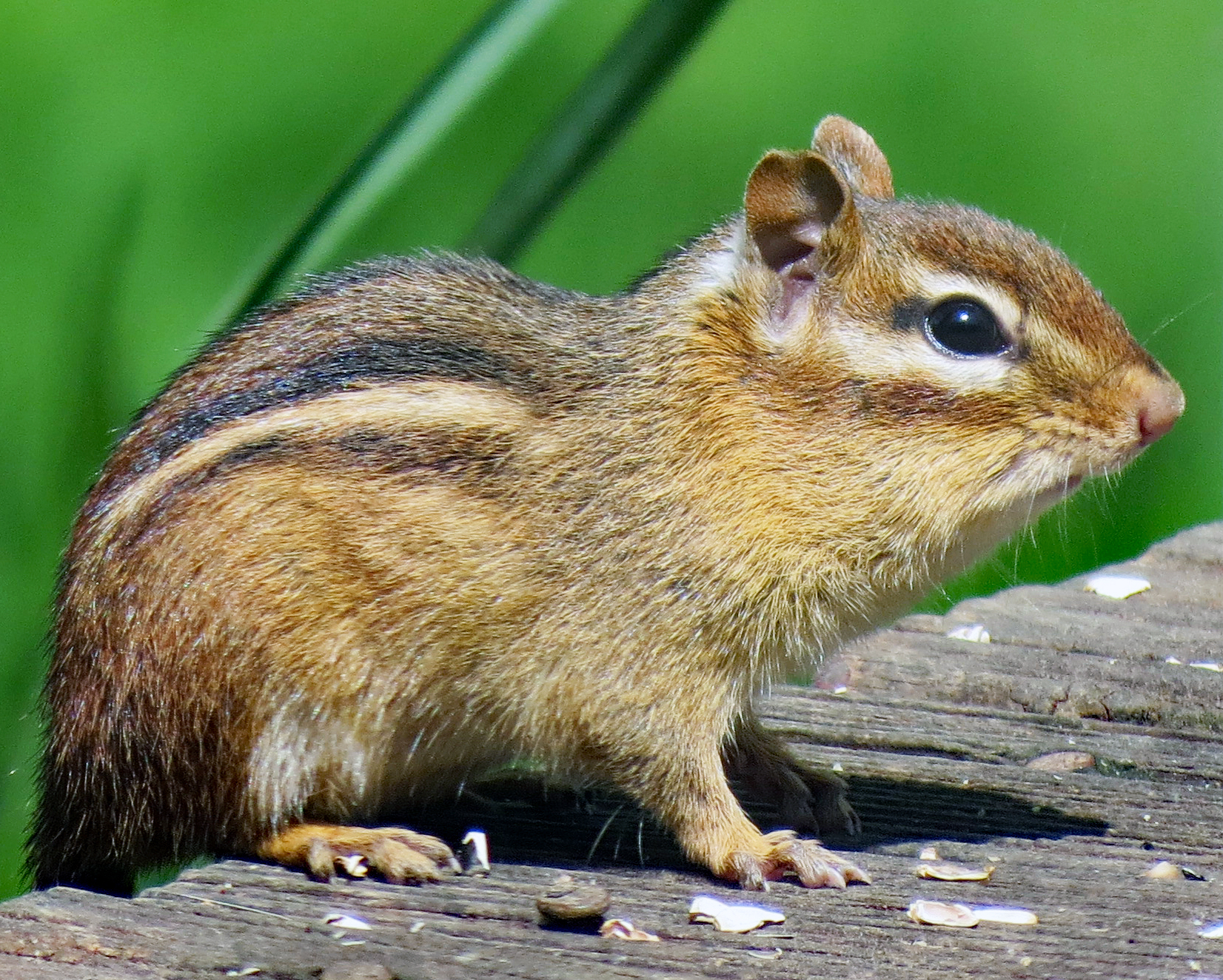
The Haudenosaunee 'how the chipmunk got its stripes' narrative appears in several variants, most broadly in J.N.B. Hewitt's Iroquoian Cosmology (Smithsonian Bureau of American Ethnology Annual Report 21, 1903; Part 2, Annual Report 43, 1928). In the story, the chipmunk taunts the bear about the sun's rising; the bear strikes at him and marks his back with four parallel claw-scratches that become the chipmunk's stripes.
Contemporary Haudenosaunee storytellers including Tom Porter and Ray Fadden have continued the tradition. The narrative's structural function as an explanation-tale places it in a broader North American Indigenous genre of stripe-origin stories alongside skunk, raccoon, and badger.
- PRIMARY J.N.B. Hewitt, Iroquoian Cosmology . Smithsonian BAE Annual Reports 21 (1903) and 43 (1928).
- PRIMARY Tom Porter, And Grandma Said... Iroquois Teachings . Xlibris, 2008.
Cherokee (Mooney 1900)
James Mooney's Myths of the Cherokee (Smithsonian BAE Annual Report 19, 1900) includes chipmunk narratives in the Cherokee animal inventory, most notably the 'why the chipmunk has stripes' variant and the chipmunk's appearance in stickball-origin and hunting stories. Barbara Duncan's Living Stories of the Cherokee (UNC Press, 1998) preserves contemporary Eastern Band Cherokee chipmunk material.
- PRIMARY James Mooney, Myths of the Cherokee . Smithsonian BAE Annual Report 19, 1900.
- PRIMARY Barbara R. Duncan, Living Stories of the Cherokee . UNC Press, 1998.
Ted Andrews (1993)
Andrews's 1993 chipmunk is the industrious-gathering-joyful-attention figure drawn from observable biology and cartoon-popular imagery. Specific Haudenosaunee and Cherokee attributions are absent.
- REFERENCE Ted Andrews, Animal Speak . Llewellyn, September 1993.
Working with the Chipmunk
If you want a regular practice rather than a one-time read, an oracle deck is the standard tool: you draw a card and sit with whatever animal comes up. Our ranked guide to spirit animal oracle decks compares the field.
Frequently asked
- What does a chipmunk symbolize spiritually?
- In modern pop usage, industrious gathering and joyful attention. The deeper traditions are North American Indigenous. Haudenosaunee 'how the chipmunk got its stripes' narratives are in Hewitt's Iroquoian Cosmology (1903, 1928). Cherokee material is in Mooney's 1900 Myths of the Cherokee.
- How did the chipmunk get its stripes?
- In the Haudenosaunee origin narrative preserved by Hewitt (Smithsonian BAE 1903 and 1928), the chipmunk taunts the bear about the sun's rising; the bear strikes at him and marks his back with four parallel claw-scratches that become the stripes. Variants appear in Cherokee tradition (Mooney 1900) and in related North American Indigenous storytelling traditions.
- Is the chipmunk in Old World mythology?
- No. The chipmunk (genus Tamias, 25 species) is endemic to North America. Pre-modern European, African, and Asian civilizations had no chipmunk tradition because they had no chipmunks. All deeper documented traditions are North American Indigenous.
Sources
- PRIMARY J.N.B. Hewitt, Iroquoian Cosmology . Smithsonian BAE 1903, 1928.
- PRIMARY Tom Porter, And Grandma Said... . Xlibris, 2008.
- PRIMARY James Mooney, Myths of the Cherokee . Smithsonian BAE 1900.
- PRIMARY Barbara R. Duncan, Living Stories of the Cherokee . UNC Press, 1998.
- REFERENCE Ted Andrews, Animal Speak . Llewellyn, September 1993.