Spirit Animal
Coyote Spirit Animal
Coyote spirit animal meaning: trickster, wisdom and adaptability. Traced from the modern trickster reading back through Ted Andrews's Animal Speak to specific Indigenous traditions: the Diné Ma'ii, the Great Basin Shoshone-Paiute creator-trickster, California Miwok and Maidu creation narratives, and Tsalagi (Cherokee) material recorded by James Mooney.
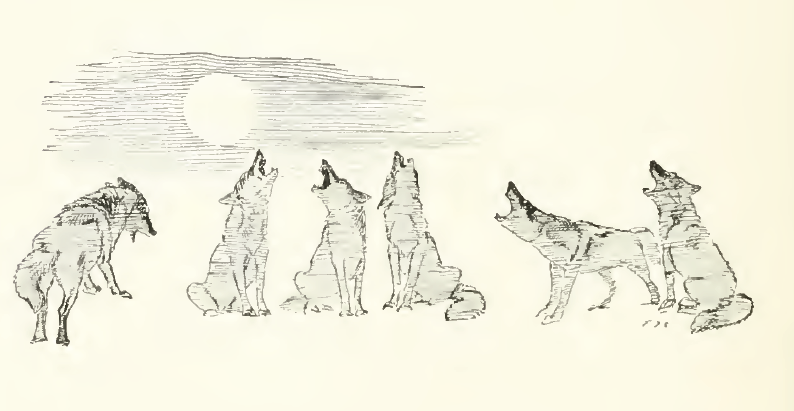
In modern American "spirit animal" usage, the coyote stands for the trickster, the cosmic joke, wisdom-through-foolishness, and the shape-shifting boundary between order and chaos. That reading comes through Ted Andrews's Animal Speak (Llewellyn, 1993). The actual traditions are all specifically Indigenous North American and specifically nation-by-nation. The Diné (Navajo) Ma'ii appears across the creation narrative Diné Bahane' (Zolbrod 1984, University of New Mexico Press). Great Basin Shoshone and Paiute traditions treat Coyote as a creator-trickster whose bumbling brings the world into its present shape. California Miwok and Maidu traditions recorded by A.L. Kroeber (Handbook of the Indians of California, 1925) give Coyote a central role. Tsalagi (Cherokee) material in James Mooney's 1900 Myths of the Cherokee is related but distinct. There is no pan-tribal Coyote. There are dozens of Coyotes, each in a specific nation's telling.
Coyote is the animal where the generic-Indigenous-trickster reading in pop-spirit-animal writing is most clearly a category mistake. There is no pan-tribal Coyote. There are dozens of Coyotes, and each one belongs to a specific nation with specific narrative protocols, specific ceremonial contexts, and specific teachings. A Diné Ma’ii story is not a Miwok Coyote story is not a Southern Paiute Coyote story. The name in each language is not even the same word.
So the Coyote entry is organized differently from the others. It does not attempt a single coyote reading. It names four nation-specific traditions and then names the twentieth-century American cartoon character who probably shapes the modern reader’s mental image of the animal more than any of them.
The four nation-specific traditions
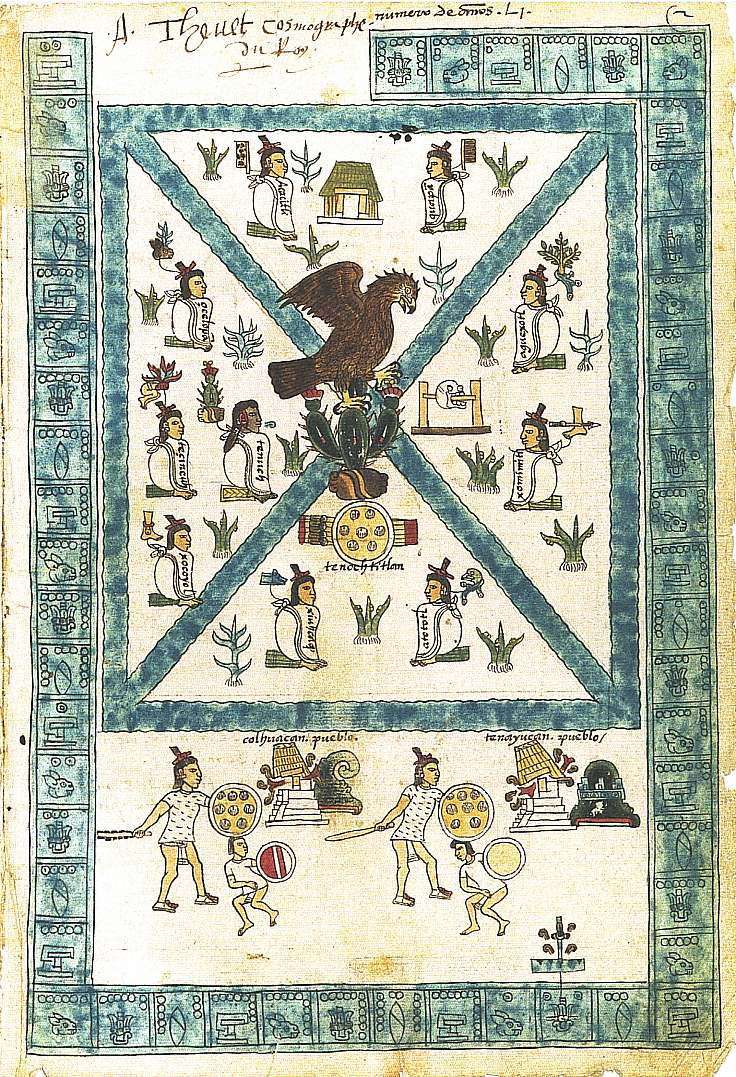
Diné Ma’ii. Central figure in the creation narrative Diné Bahane’, which traces humanity’s emergence through four successive worlds. Ma’ii tales are traditionally told only in winter. The Paul Zolbrod 1984 University of New Mexico Press edition, compiled with named Diné consultants, is the standard English-language source. Gary Witherspoon’s 1977 linguistic treatment frames the ceremonial context.
Great Basin traditions. Shoshone, Paiute, Ute narratives in which Coyote and Wolf are paired as creator-brothers whose arguments give the world its texture. Julian Steward’s 1936 Owens Valley Paiute fieldwork preserved dozens of specific narratives. The Timbisha, Northern Paiute, Western Shoshone, Southern Paiute, and Ute all have their own variants; collapsing them into a single “Great Basin Coyote” is the kind of flattening the scholarship works against.
California traditions. Miwok, Maidu, Yokuts, Pomo, Ohlone: in many of these, Coyote is the central creator figure. Kroeber’s 1925 Handbook of the Indians of California (Smithsonian BAE Bulletin 78) is the foundational documentation. Deborah Miranda’s 2013 Bad Indians: A Tribal Memoir (Heyday) is a recent Ohlone/Esselen-authored work that treats the contemporary inheritance of the narrative tradition.
Tsalagi (Cherokee) and Southeast. Coyote’s natural range is mostly western; Cherokee material preserves related trickster-animal narratives (wolf and fox are more central than coyote in the Cherokee corpus). Mooney’s 1900 Smithsonian ethnography documents the Cherokee animal cycle.
The cartoon coyote
Wile E. Coyote was created by Chuck Jones and Michael Maltese at Warner Bros. in 1949. Fast and Furry-ous, September 1949, is the debut short. Over dozens of subsequent cartoons, Wile E. schemes against the Road Runner, relies on ACME equipment that inevitably malfunctions, falls off cliffs, and fails. Chuck Jones’s autobiography Chuck Amuck (Farrar Straus Giroux, 1989) discusses the character directly.
The American-cartoon coyote is genuinely part of the 20th-century shape of the animal in the U.S. popular imagination. The “trickster who outwits himself” reading in Ted Andrews’s 1993 Animal Speak is, honestly, closer to Wile E. Coyote than to any specific Indigenous narrative cycle. Naming that is useful.
A note on specificity
“Navajo” not “Native American.” “Miwok” not “California tribes.” “Great Basin Paiute” with the specific community name when possible. The coyote traditions across the continent are not interchangeable, and collapsing them into a single trickster-god does violence to what each one actually says.
Across traditions
Diné (Navajo): Ma'ii
In Diné tradition, Ma'ii (coyote) is a central figure in the creation narrative Diné Bahane'. He appears repeatedly through the emergence-through-four-worlds sequence, often causing trouble that becomes necessary for the world's development. Paul Zolbrod's Diné Bahane': The Navajo Creation Story (University of New Mexico Press, 1984), compiled with the assistance of named Diné consultants, is the most comprehensive English-language presentation.
The Ma'ii tales exist in a specific ceremonial context. They are traditionally told only in winter, and their telling is a protocol-bound activity. Gary Witherspoon's Language and Art in the Navajo Universe (University of Michigan Press, 1977) treats the linguistic and ceremonial frame. The tales are not available to be casually excerpted, which is why the entry presents only the name and the framework rather than specific narrative content.
- PRIMARY Paul G. Zolbrod, Diné Bahane': The Navajo Creation Story . University of New Mexico Press, 1984.
- PEER-REVIEWED Gary Witherspoon, Language and Art in the Navajo Universe . University of Michigan Press, 1977.
- REFERENCE Navajo Nation Cultural Resource Compliance Section, winter-story protocol
Great Basin (Shoshone, Paiute): Creator-trickster
In Great Basin tradition, Coyote (Numic: itza'a and cognates) is often a creator-figure alongside Wolf, forming a brother-pair in which Wolf's intentions are good and Coyote's are self-interested, and the world's texture is the result of their arguments. Julian H. Steward's Myths of the Owens Valley Paiute (University of California Publications in American Archaeology and Ethnology, 1936) and Ake Hultkrantz's Native Religions of North America (Harper & Row, 1987) are standard references.
The specific ceremonial and narrative forms vary substantially across the Great Basin nations (Timbisha, Owens Valley Paiute, Northern Paiute, Western Shoshone, Southern Paiute, Ute). Treating "Coyote in the Great Basin" as a single tradition is a simplification; the honest scholarly work names the specific community.
- PRIMARY Julian H. Steward, Myths of the Owens Valley Paiute . University of California Publications in American Archaeology and Ethnology 34(5), 1936.
- PEER-REVIEWED Åke Hultkrantz, Native Religions of North America . Harper & Row, 1987.
- PRIMARY Paul Bahr et al., The Tohono O'odham Coyote Tales (adjacent Southwestern parallel) . University of Arizona Press, 1997.
California (Miwok, Maidu): Coyote the creator
In many California Indigenous traditions, Coyote is the central creator-figure. Alfred L. Kroeber's Handbook of the Indians of California (Bureau of American Ethnology Bulletin 78, 1925) documents dozens of Miwok, Maidu, Yokuts, and Pomo coyote-narratives in which Coyote brings fire, makes people, and establishes the shape of the landscape.
Malcolm Margolin's The Ohlone Way: Indian Life in the San Francisco-Monterey Bay Area (Heyday, 1978) and contemporary California-Indigenous-authored work (Deborah Miranda's Bad Indians, Heyday 2013) extend the documentation. These are California-specific traditions, distinct from Great Basin and Southwest ones.
- PRIMARY A.L. Kroeber, Handbook of the Indians of California . Smithsonian BAE Bulletin 78, 1925.
- PRIMARY Malcolm Margolin, The Ohlone Way . Heyday Books, 1978.
- PRIMARY Deborah A. Miranda, Bad Indians: A Tribal Memoir . Heyday Books, 2013.
Tsalagi (Cherokee) and Southeast: James Mooney's 1900 ethnography
James Mooney's Myths of the Cherokee (Smithsonian Bureau of American Ethnology Annual Report 19, 1900) preserves Cherokee animal-narratives collected from named elders in Eastern Band and Oklahoma-resident Cherokee communities in the 1890s. Coyote specifically is a Southeastern animal whose range overlaps with Cherokee territory at its western edge; wolf and fox are more central in the Cherokee corpus.
Treating Coyote as a "generic Native American trickster" erases the distinctions between the nations who know him well (the Southwestern and Great Basin and California peoples) and the nations for whom he is a peripheral figure. Every honest article names the specific nation.
- PRIMARY James Mooney, Myths of the Cherokee . Smithsonian BAE Annual Report 19, 1900.
- PRIMARY Barbara R. Duncan, Living Stories of the Cherokee . University of North Carolina Press, 1998.
American pop culture: Wile E. Coyote
The most widely-recognized North American coyote figure of the 20th century is not from any Indigenous tradition but from a 1949 Warner Bros. animated short: Wile E. Coyote, created by Chuck Jones and Michael Maltese. Fast and Furry-ous (September 1949) introduced the character. Every subsequent Roadrunner short (dozens through the 1960s) perpetuates the pattern: the coyote, an ACME-equipped schemer, fails.
The American-cartoon coyote has genuinely shaped the popular image of the animal in the U.S. but is unrelated to any Indigenous tradition. Ted Andrews's 1993 "trickster who outwits himself" reading borrows more from Wile E. Coyote than most readers recognize, smoothed over by selective borrowing from unnamed Indigenous material.
- PRIMARY Chuck Jones, Chuck Amuck: The Life and Times of an Animated Cartoonist . Farrar Straus Giroux, 1989.
- REFERENCE Fast and Furry-ous (Warner Bros., dir. Chuck Jones, 1949)
Ted Andrews (1993)
Andrews's 1993 coyote is a composite: a pan-tribal Indigenous trickster figure (with specific nations unnamed) plus the Wile E. Coyote cartoon archetype, reduced to personal-spirit keywords: adaptability, humor, wisdom-through-foolishness. The actual Diné, Great Basin, California, and Southeastern traditions are each more specific, each deserving their own article, and none of them the same Coyote.
- REFERENCE Ted Andrews, Animal Speak . Llewellyn, September 1993.
Working with the Coyote
If you want a regular practice rather than a one-time read, an oracle deck is the standard tool: you draw a card and sit with whatever animal comes up. Our ranked guide to spirit animal oracle decks compares the field.
Frequently asked
- What does a coyote symbolize spiritually?
- In modern pop usage, the trickster, the cosmic joke, wisdom-through-foolishness, the Andrews 1993 reading. The actual traditions are specifically Indigenous North American and specifically nation-by-nation. The Diné (Navajo) Ma'ii appears across Diné Bahane' (Zolbrod 1984). Great Basin Shoshone and Paiute traditions pair Coyote with Wolf as creator brothers. California Miwok and Maidu traditions put Coyote at the center of creation. There is no single pan-tribal Coyote.
- Which Native American tribes have coyote spiritual traditions?
- Specifically the Southwestern nations (Diné, Hopi, Apache, Tohono O'odham, Pueblo peoples), the Great Basin nations (Shoshone, Paiute, Ute), the California nations (Miwok, Maidu, Yokuts, Pomo, Ohlone), and the Plateau nations (Nez Perce, Yakama). The coyote's natural range is primarily western and southwestern North America, so eastern nations (including Cherokee, Haudenosaunee) have less developed coyote material. The honest scholarly and editorial practice is to name the specific nation every time.
- Is Wile E. Coyote based on Native American trickster stories?
- Not directly. Chuck Jones and Michael Maltese's 1949 Warner Bros. creation, first seen in Fast and Furry-ous (September 1949), is part of the 20th-century American cartoon tradition. The schemer-who-outwits-himself pattern has broad folkloric parallels, and the choice of coyote as the character's animal draws loosely on the American Southwest's cultural imagery, but the specific stories are not adaptations of any Indigenous narrative cycle.
- What is Ma'ii in Navajo tradition?
- Ma'ii is the Diné (Navajo) word for coyote and the name of a central figure in the creation narrative Diné Bahane'. He appears repeatedly through the emergence-through-four-worlds sequence, often causing trouble that turns out to be necessary. Diné tradition holds that Ma'ii stories are told only in winter, with specific ceremonial protocols. Paul Zolbrod's 1984 Diné Bahane': The Navajo Creation Story (University of New Mexico Press) is the standard English-language presentation.
Sources
- PRIMARY Paul G. Zolbrod, Diné Bahane' . University of New Mexico Press, 1984.
- PEER-REVIEWED Gary Witherspoon, Language and Art in the Navajo Universe . University of Michigan Press, 1977.
- PRIMARY Julian H. Steward, Myths of the Owens Valley Paiute . UC Publications in American Archaeology and Ethnology 34(5), 1936.
- PEER-REVIEWED Åke Hultkrantz, Native Religions of North America . Harper & Row, 1987.
- PRIMARY A.L. Kroeber, Handbook of the Indians of California . Smithsonian BAE Bulletin 78, 1925.
- PRIMARY Malcolm Margolin, The Ohlone Way . Heyday Books, 1978.
- PRIMARY Deborah A. Miranda, Bad Indians: A Tribal Memoir . Heyday Books, 2013.
- PRIMARY James Mooney, Myths of the Cherokee . Smithsonian BAE Annual Report 19, 1900.
- PRIMARY Barbara R. Duncan, Living Stories of the Cherokee . University of North Carolina Press, 1998.
- PRIMARY Chuck Jones, Chuck Amuck . Farrar Straus Giroux, 1989.
- REFERENCE Ted Andrews, Animal Speak . Llewellyn, September 1993.