Spirit Animal
Crocodile Spirit Animal
Crocodile spirit animal meaning: ancient power, primal patience and apex calm. Cross-referenced to our alligator page and focused on the specifically crocodilian traditions: Egyptian Sobek at Kom Ombo, Hindu Ganga-makara, and Nigerian Òrìṣà contexts.
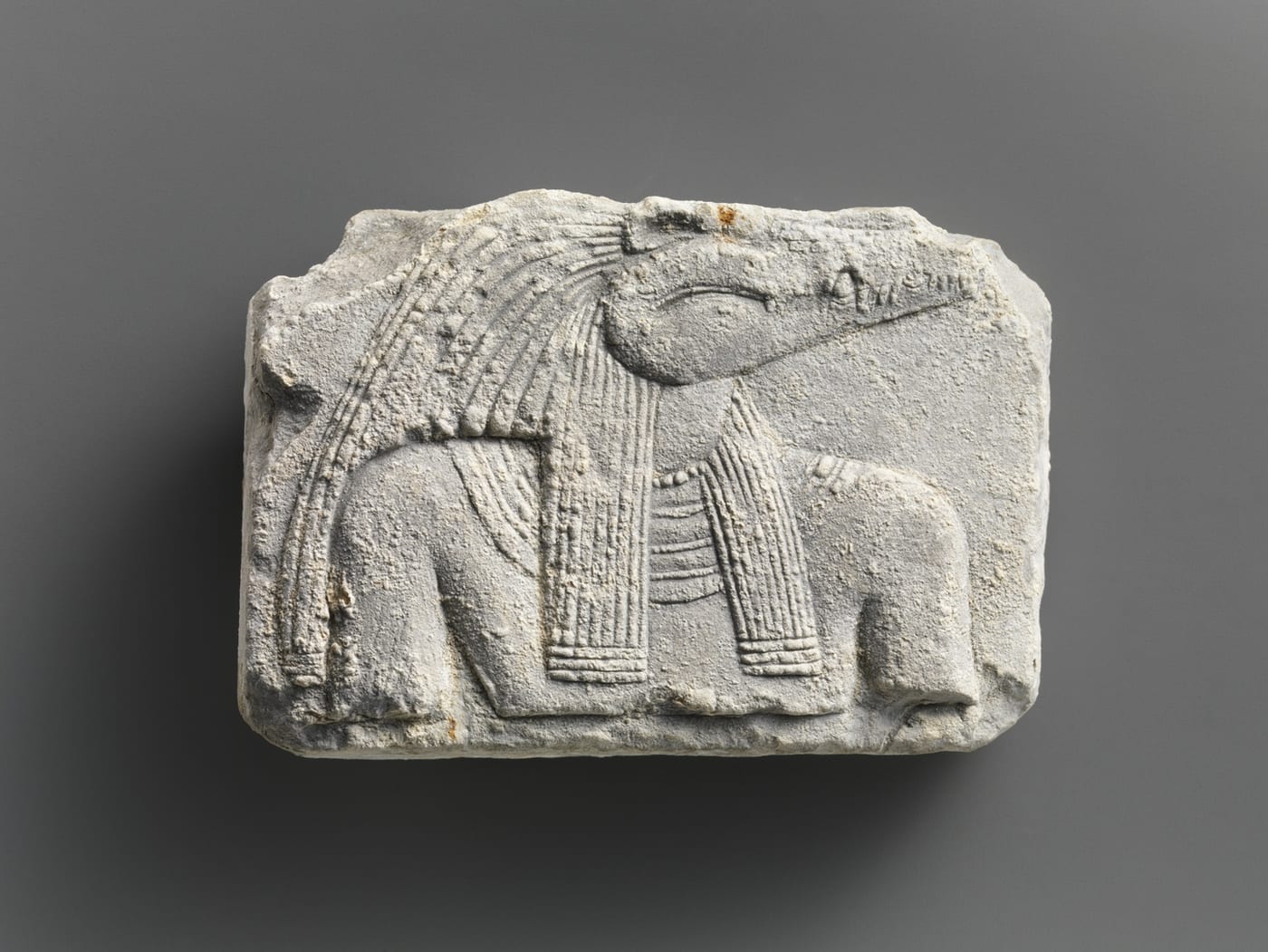
In modern pop-spiritual usage, the crocodile stands for ancient power, primal patience, and the apex-predator calm beneath still water. See our alligator page for the broader treatment of Egyptian Sobek and Mesoamerican Cipactli; this page focuses on additional specifically-crocodilian traditions: the Hindu makara (sometimes-crocodile, vahana of Ganga and Varuna) and West African Nile crocodile traditions in Yorùbá and Dahomean practice.
The alligator spirit animal entry covers the fullest treatment of Sobek, Cipactli, and the Seminole tradition. The crocodile entry below adds two complementary traditions not covered there.
Hindu makara
Composite sea-creature with crocodilian features, vahana of Ganga and Varuna. Matsya Purana documentation. Southeast Asian temple-gate guardians at Angkor and Prambanan. The Hindu lunar-zodiac Capricorn is called Makara.
West African
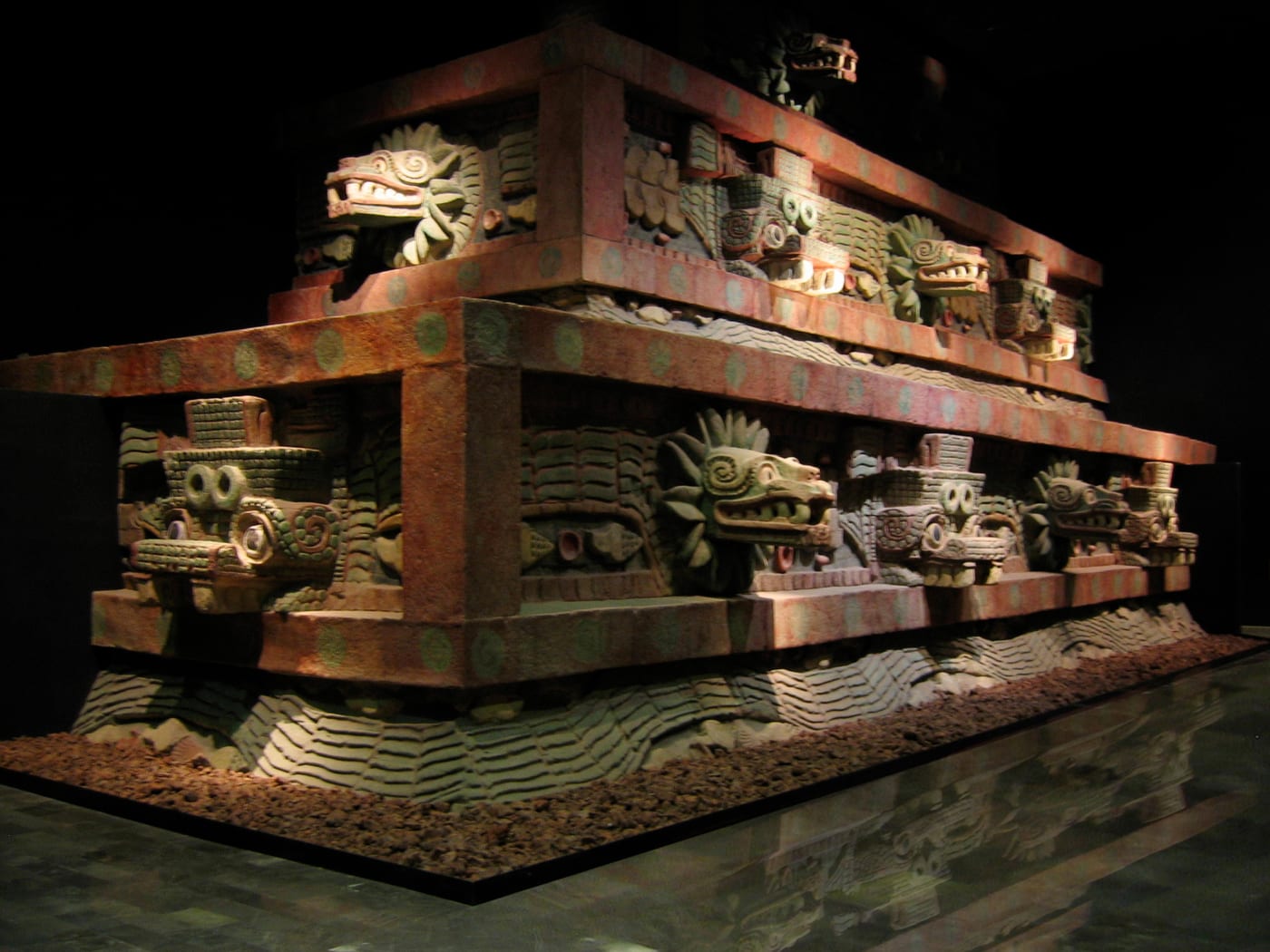
Yorùbá and Fon crocodile-Òrìṣà practice, Verger 1957 ethnography. The Paga sacred-crocodile pond in northern Ghana is the best-documented contemporary case.
Andrews 1993
Ancient power, primal patience. Cross-reference the alligator page for the full record.
Across traditions
Egyptian (Sobek, see alligator page)
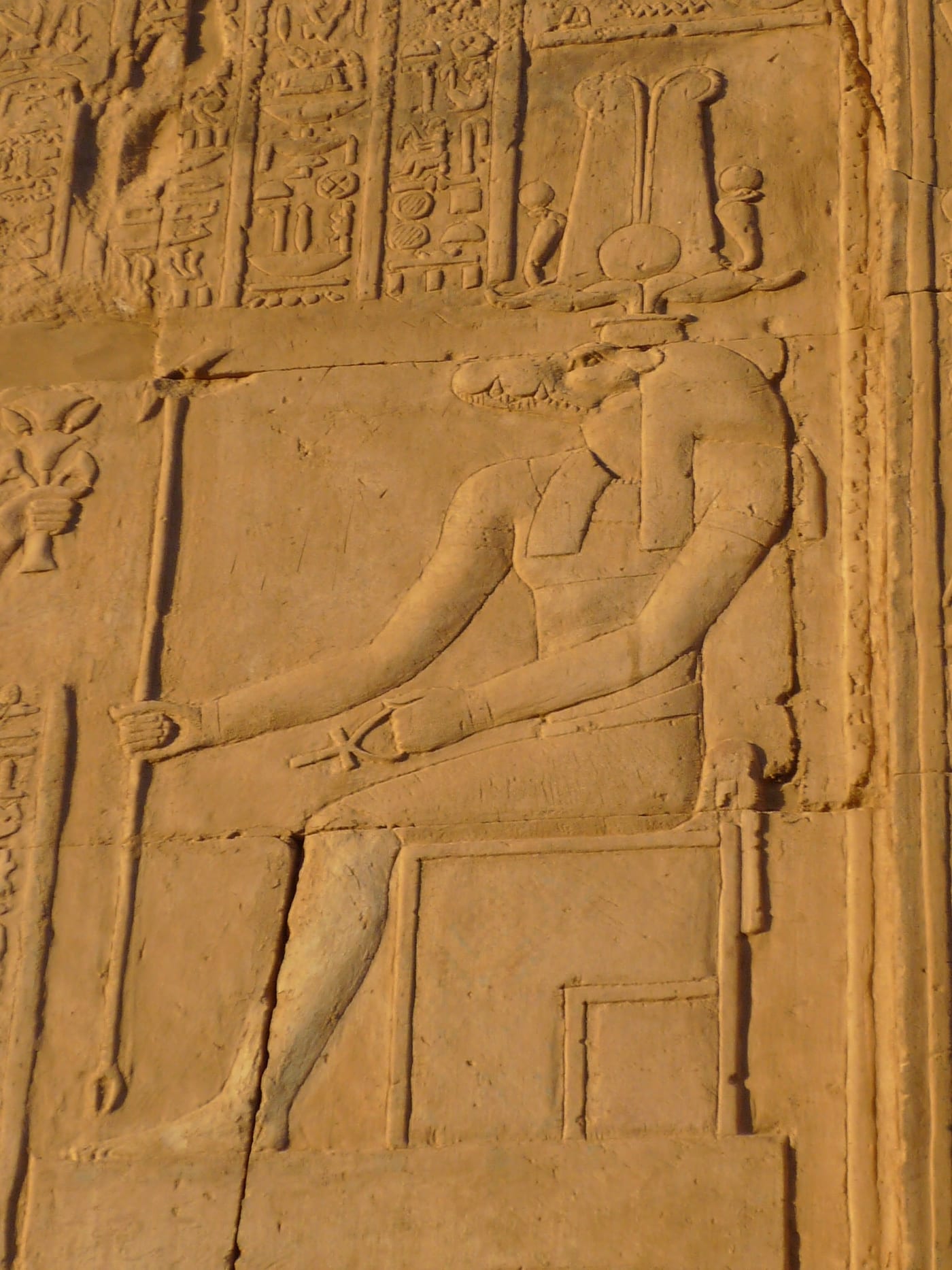
See our alligator page for the full Sobek treatment, including Kom Ombo temple, the 10,000+ recovered crocodile mummies, and Herodotus's 2.68–70 description.
- REFERENCE (Cross-reference: alligator-spirit-animal page)
Hindu (makara, vahana of Ganga and Varuna)
The makara is a composite sea-creature in Hindu iconography, often depicted with crocodilian features (elongated snout, teeth, armored body) combined with fish-tail elements. The makara is the vahana of both the river-goddess Ganga and the water-god Varuna. The Matsya Purana and related Puranic sources document the iconography; Sangam-era Tamil literature includes makara references.
The makara appears in Southeast Asian Hindu-Buddhist temple architecture (Angkor, Prambanan, Thai wat gates) as a threshold-guardian figure. The Zodiac sign Capricorn is called Makara in the Hindu lunar zodiac (see our forthcoming Capricorn zodiac page).
- PRIMARY Matsya Purana . Taluqdar of Oudh trans., Sacred Books of the Hindus 17, 1916.
- MUSEUM Angkor Wat and Angkor Thom makara gate-guardians . Khmer Empire, 9th–15th c. CE.
West African (Yorùbá and Dahomean crocodile traditions)
West African crocodile traditions, particularly in Yorùbá and Fon (Dahomean) religious practice, treat the Nile crocodile (Crocodylus niloticus) as a sacred animal associated with specific Òrìṣà, most notably Olokun (sea-god) and Yemoja (river-mother) depending on regional tradition. Pierre Verger's Notes sur le culte des Orisa et Vodun (IFAN, 1957) is the foundational ethnographic treatment.
The sacred-crocodile village of Paga, Ghana (Sahelian Crocodylus suchus) is one of the best-documented contemporary cases of a surviving West African crocodile-cult, where villagers and crocodiles share ponds in a reciprocal protection tradition.
- PEER-REVIEWED Pierre Verger, Notes sur le culte des Orisa et Vodun . Institut Français d'Afrique Noire, 1957.
- REFERENCE Paga Crocodile Pond (Ghana)
Ted Andrews (1993)
Andrews's 1993 crocodile is the ancient-power-primal-patience figure drawn from the animal's obvious biology. The Hindu makara and West African Òrìṣà contexts are absent.
- REFERENCE Ted Andrews, Animal Speak . Llewellyn, September 1993.
Working with the Crocodile
If you want a regular practice rather than a one-time read, an oracle deck is the standard tool: you draw a card and sit with whatever animal comes up. Our ranked guide to spirit animal oracle decks compares the field.
Frequently asked
- What does a crocodile symbolize spiritually?
- See our alligator page for the full Sobek-Cipactli-Seminole treatment. Additional specifically-crocodilian traditions include the Hindu makara (vahana of Ganga and Varuna, also the zodiac sign Capricorn in the Hindu lunar zodiac) and West African Yorùbá-Dahomean crocodile-Òrìṣà practice, including the contemporary Paga sacred-crocodile pond in Ghana.
- What is a makara?
- The makara is a composite sea-creature in Hindu iconography, often with crocodilian features (elongated snout, teeth, armored body) combined with fish-tail elements. It is the vahana of both the river-goddess Ganga and the water-god Varuna. The Matsya Purana documents the iconography; the Zodiac sign Capricorn is called Makara in the Hindu lunar zodiac. Makara threshold-guardians appear at Angkor Wat, Prambanan, and Thai wat gates.
- What is the Paga crocodile pond?
- A sacred-crocodile village in northern Ghana where villagers and crocodiles share ponds in a reciprocal protection tradition. One of the best-documented contemporary cases of a surviving West African crocodile-cult. The tradition is a specifically Kasena-Nankana community practice rather than a pan-West-African one.
Sources
- PRIMARY Matsya Purana . Sacred Books of the Hindus 17, 1916.
- MUSEUM Angkor Wat makara gate-guardians
- PEER-REVIEWED Pierre Verger, Notes sur le culte des Orisa et Vodun . IFAN, 1957.
- REFERENCE Paga Crocodile Pond, Ghana
- REFERENCE Ted Andrews, Animal Speak . Llewellyn, September 1993.