Dream Meaning
Dreams of Bears: Jung's Archetypes and Specific Folk Traditions
Dreams of bears: Jung's analytical-psychology interpretation, the Njáls saga fylgja-bear as warrior-indicator, and contemporary dream-research framing.
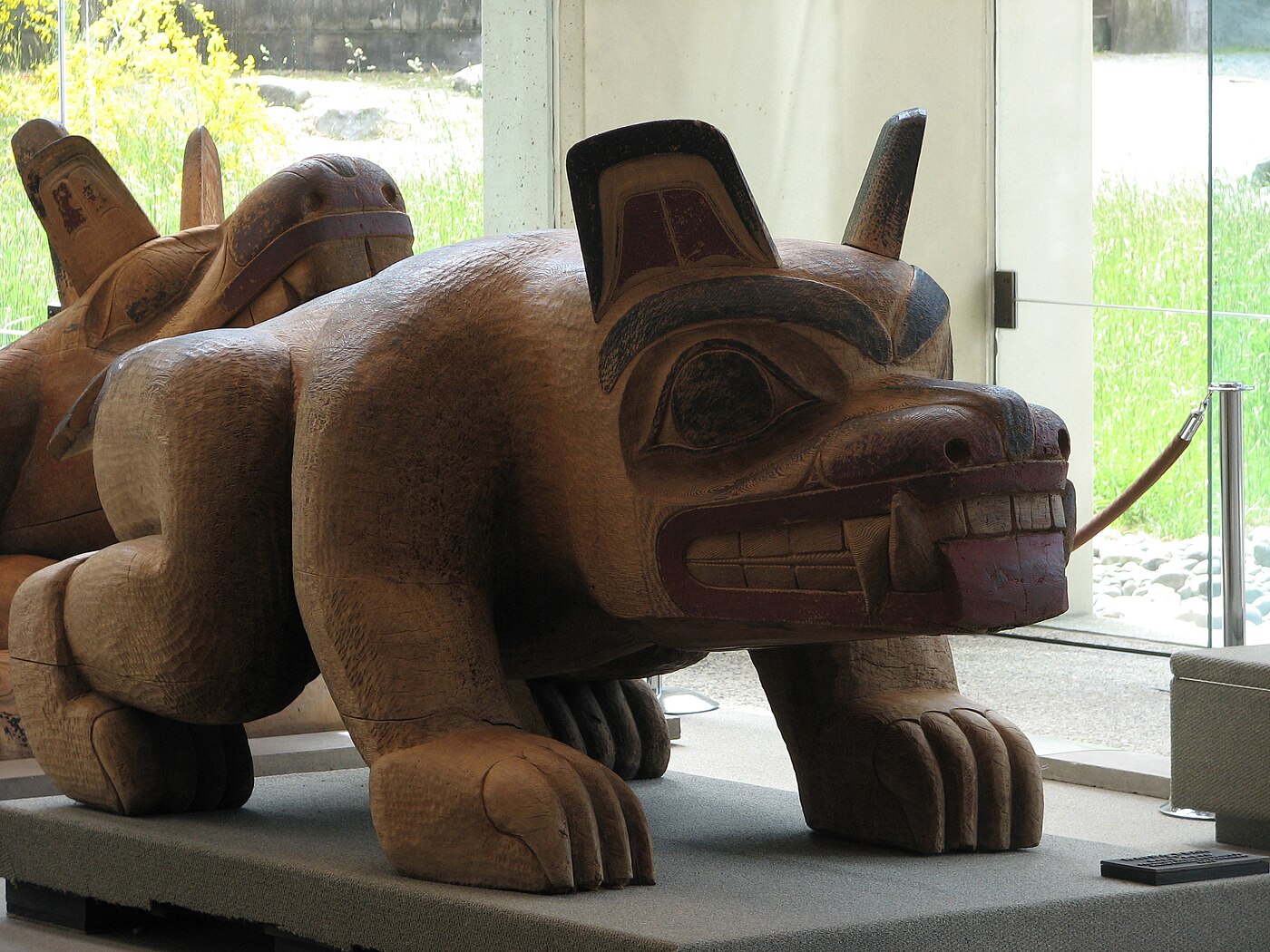
Dreams of bears in Jung's analytical psychology typically represent maternal-power archetypes, instinctual force, or unconscious withdrawal (hibernation). In Old Norse saga tradition, a dream-bear is the fylgja of an approaching warrior-figure (Njáls saga 23, where Gunnar's brother Kolskeggr dreams a great bear coming toward him, the saga identifying the bear as Gunnar's fylgja). Contemporary dream-research (Hobson, Stickgold) treats dream-imagery as memory-consolidation.
Bears show up in clinical dream surveys more than most people expect, given that most people have never encountered one outside a zoo or a screen. The reason is cultural weight: the bear is one of the most consistently mythologized large predators across Northern European and North American traditions, and that weight carries into dream imagery whether you’ve ever seen one in person or not. Jung and the Old Norse saga tradition are doing very different things with the same animal, and both readings are worth understanding on their own terms.
Jung’s maternal-power reading
C.G. Jung’s analytical psychology connects bear dreams most directly to maternal-power archetypes. The bear as the Great Mother in her overwhelming, instinctual aspect (the mother who can nurture or destroy with equal ease) appears frequently in Jungian case literature. The Archetypes and the Collective Unconscious (Collected Works 9i, Princeton, 1959) provides the theoretical frame.
The bear also connects to the threshold of major transformation. In Jungian case literature, bear dreams appear at moments when the patient’s conscious identity is under significant pressure, about to dissolve, integrate new material, or reconstitute. The bear’s hibernation is part of this symbolic resonance: going underground, apparently dying, returning in spring. The symbolism of withdrawal and return is real and ancient.
The Njáls saga fylgja
Old Norse saga tradition gives the bear dream a specific reading that has nothing to do with personal psychological transformation. In Njáls saga chapter 23, Gunnar of Hliðarendi’s brother Kolskeggr dreams of a great bear coming toward him from the direction of Gunnar’s farm. The saga’s interpretive framework is unambiguous: the bear is Gunnar’s fylgja, the external soul-figure that walks ahead of its person. Kolskeggr’s dream-bear is Gunnar approaching, his protective warrior-power made visible in dream-form.
This is the bear as external indicator, not as psychological content. The dream is not processing Kolskeggr’s inner life; it is registering an approaching event in the outer world. The saga’s epistemology is the opposite of Jung’s: the dream tells you something about the world, not about yourself. Neil Price’s The Viking Way (revised 2019) situates this in the broader Viking-Age magical and psychological complex.
The overlap
Both traditions agree that a dream bear signals significant force. They disagree on where that force is located. Jung places it inside the dreamer. The sagas place it outside, walking toward the dreamer in the form of another person’s soul-figure.
Contemporary cognitive dream-research (Hobson, Stickgold) would say both frameworks are stories people tell about memory-consolidation processes. The bear as large predator is fear-relevant, and fear-relevant material tends to appear in dreams when the nervous system is processing anxiety. The three frameworks are not compatible, but knowing all three gives you more interpretive options than choosing one and refusing the others.
Frequently asked
- What does it mean to dream of a bear?
- In Jung's framework, maternal-power archetypes or instinctual force. In Old Norse saga tradition, a dream-bear is the fylgja of an approaching warrior (Njáls saga 23). Modern cognitive dream-research treats it as memory-consolidation. The reading depends on the interpretive frame.
- What does the Old Norse saga tradition say about dream-bears?
- In Njáls saga chapter 23, Kolskeggr dreams of a great bear coming toward him from the direction of his brother Gunnar's farm; the saga identifies the bear unambiguously as Gunnar's fylgja, the external soul-figure that walks ahead of its person. The Norse epistemology is the opposite of Jung's: the dream registers an approaching event in the outer world rather than psychological content. Neil Price's The Viking Way (2019 revised) situates the fylgja-bear in the broader Viking-Age magical complex.
- How does Jung read a bear-dream?
- Jung's analytical psychology connects bear-dreams to maternal-power archetypes: the Great Mother in her overwhelming, instinctual aspect, capable of nurture and destruction in equal measure. The Archetypes and the Collective Unconscious (Collected Works 9i, 1959) is the primary source. Bear-dreams in Jungian case literature appear at thresholds of major transformation; the hibernation pattern itself (going under, apparently dying, returning) is part of the symbolic resonance.
Sources
- PEER-REVIEWED C.G. Jung, The Archetypes and the Collective Unconscious . Collected Works Vol. 9i, Princeton University Press, 1959.
- PRIMARY Njáls saga ch. 23 . Cook trans., Penguin Classics, 2001.
- PEER-REVIEWED Neil Price, The Viking Way . Oxbow Books, revised 2019.
- PEER-REVIEWED J. Allan Hobson, Dreaming: An Introduction to the Science of Sleep . Oxford University Press, 2002.
- PEER-REVIEWED Robert Stickgold and Matthew Walker (eds.), The Neuroscience of Sleep . Academic Press, 2009.