Dream Meaning
Dreams of Cat Attacks: Jung's Feminine-Shadow, Bastet-Sekhmet Duality
Dreams of cat attacks: Jung's feminine-shadow archetype, Egyptian Bastet-Sekhmet protective-destructive duality, and contemporary anxiety-dream research.
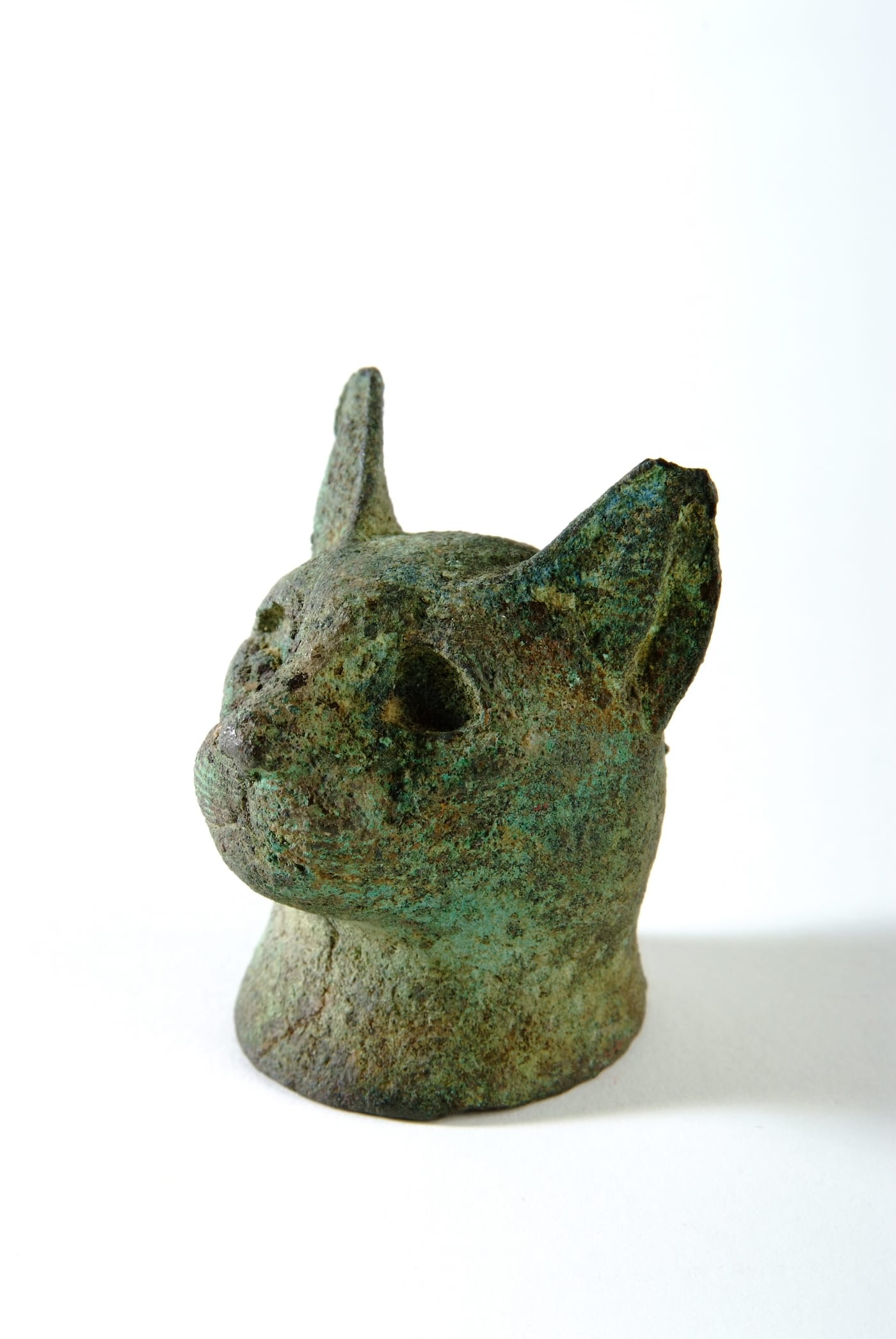
Cat-attack dreams engage Jung's feminine-shadow archetype, especially where maternal-relational material is active. The Egyptian Bastet-Sekhmet duality (protective Bastet, destructive Sekhmet) is the oldest documented cat-goddess precedent in both protective and attacking modes. Contemporary anxiety-dream research links recurrent cat-attack dreams to waking interpersonal-conflict in close relationships, specifically the familiar-turned-threatening pattern.
The domestic cat lives in your house and is still a predator. That’s the core of cat-attack dream symbolism: the thing that attacks you was supposed to be safe, was already inside the perimeter, had been let in. That’s different from dreaming about a bear or a shark. The threat isn’t alien, it’s familiar turned dangerous.
Jung’s feminine-shadow reading
C.G. Jung’s analytical psychology treats the attacking cat as typically feminine-shadow material, the autonomous, instinctual, wildly independent aspect of the psyche that cannot be fully tamed by consciousness. Where the dog in dreams often represents the known, loyal aspects of instinct, the cat-attack activates the unpredictable, bounded-only-by-itself quality that cats embody.
C.A. Meier, in Ancient Incubation and Modern Psychotherapy (Northwestern, 1967), treats the attacking cat in a clinical context as often a Hecate symbol, the dark aspect of the feminine archetype, the witch’s familiar, the cat of the crossroads. This places the cat-attack dream in the same symbolic register as Hecate: magic, boundaries between worlds, the uncontrollable aspects of feminine power.
Bastet and Sekhmet
Egyptian cat iconography provides the oldest documented cat-goddess duality, and it is not a simple positive-negative split. Bastet, the cat-headed goddess of Bubastis, was a goddess of protection, domesticity, and joyful ceremony. Herodotus’s Histories 2.59–60 describes the Bubastite festival as one of the most attended and most raucous in Egypt. Bubastis’s cat necropolis, excavated in the 19th century, contained hundreds of thousands of mummified cats.
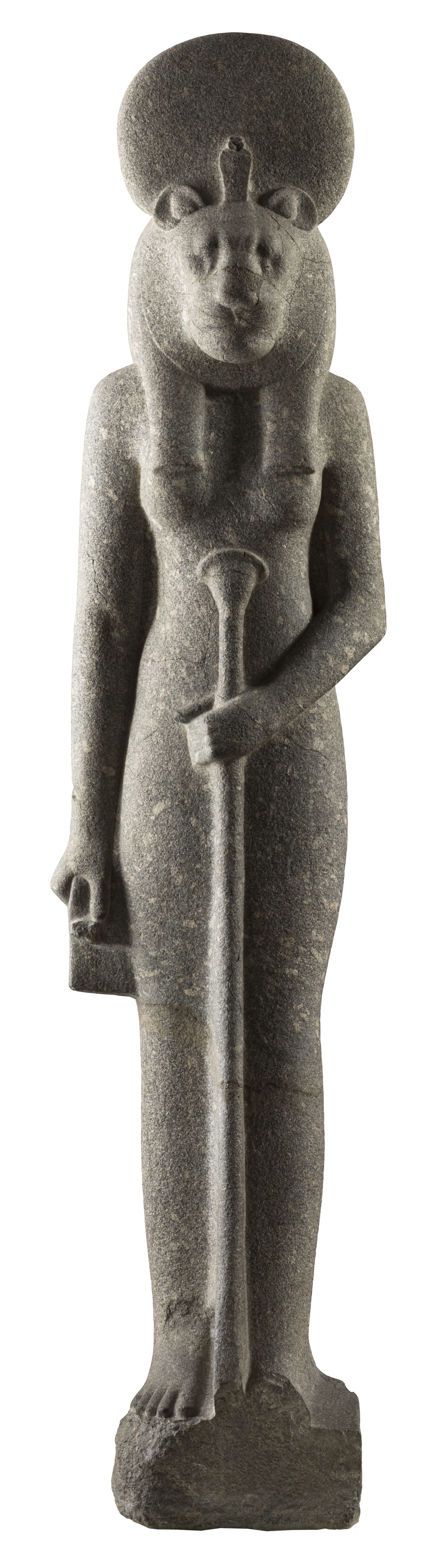
Sekhmet, the lioness-headed goddess, was Bastet’s fiercer counterpart: war, plague, the red desert wind, the scorching eye of Ra. The myth of Sekhmet’s rampage (when Ra sent her to punish humans and she would not stop killing) and her pacification through beer dyed with red ochre to look like blood is one of the more dramatic narratives in Egyptian mythology.
The duality in cat-attack dreams maps onto this ancient split: the cat that should be domestic and protective has become Sekhmet, not Bastet. The protective has turned predatory. What was safe is now threatening.
The specificity of the attack
Contemporary anxiety-dream research treats cat-attack dreams as commonly associated with waking interpersonal conflicts in close-relational contexts: family, romantic partnerships, tight social bonds. The cat’s scale is revealing: unlike a bear or lion, a cat represents a threat that should be manageable but has become acute. That asymmetry, the small familiar turned dangerous, tends to index specific waking-life situations rather than generalized fear. The question the dream raises is what familiar and supposed-to-be-safe relationship has started showing claws.
Frequently asked
- What does it mean to dream of a cat attacking you?
- Jung: feminine-shadow, maternal-relational material. Egyptian Bastet-Sekhmet precedent (protective Bastet turned destructive Sekhmet). Modern dream-research: waking interpersonal-conflict in close relationships, the familiar-turned-threatening dynamic.
- Why does the cat-attack dream carry a feminine-shadow reading in Jung?
- Jung's analytical psychology associates feline imagery with the anima (in men) and the shadow-feminine (in women): the unintegrated, sometimes hostile aspect of the dreamer's relational life. A cat that turns and attacks is the familiar-turned-threatening pattern that C.A. Meier treats as a Hecate-symbol in Ancient Incubation and Modern Psychotherapy (1967). The cat is small enough to be domesticated and wild enough to refuse it.
- What does the Bastet-Sekhmet duality contribute?
- The oldest documented cat-goddess tradition (Herodotus, Histories 2.59-60; Bastet temples at Bubastis) gives a single deity in two modes: gentle Bastet (the protective house-cat aspect) and ferocious Sekhmet (the lion-headed war goddess). The Egyptian cosmology refuses to split the cat into "good" and "evil"; the same deity holds both. A cat-attack dream in a Bastet-aware frame is the protective figure showing her teeth: not betrayal, but the same figure in a different mood.
Sources
- PEER-REVIEWED C.G. Jung, Archetypes . Princeton, 1959.
- PRIMARY Herodotus, Histories 2.59–60 . Loeb.
- PEER-REVIEWED C.A. Meier, Ancient Incubation and Modern Psychotherapy . Northwestern University Press, 1967.
- PEER-REVIEWED Jaromír Málek, The Cat in Ancient Egypt . British Museum Press, 1993.
- PEER-REVIEWED J. Allan Hobson, Dreaming: An Introduction to the Science of Sleep . Oxford University Press, 2002.