Dream Meaning
Dreams of Eagles: Jung's Sovereignty-Archetype, Zeus's Dreams, Lakota Visions
Dreams of eagles: Jung's sovereignty-archetype, Homer's Zeus-sent eagle dreams in the Iliad, Black Elk's vision material, and Roman augury precedent.
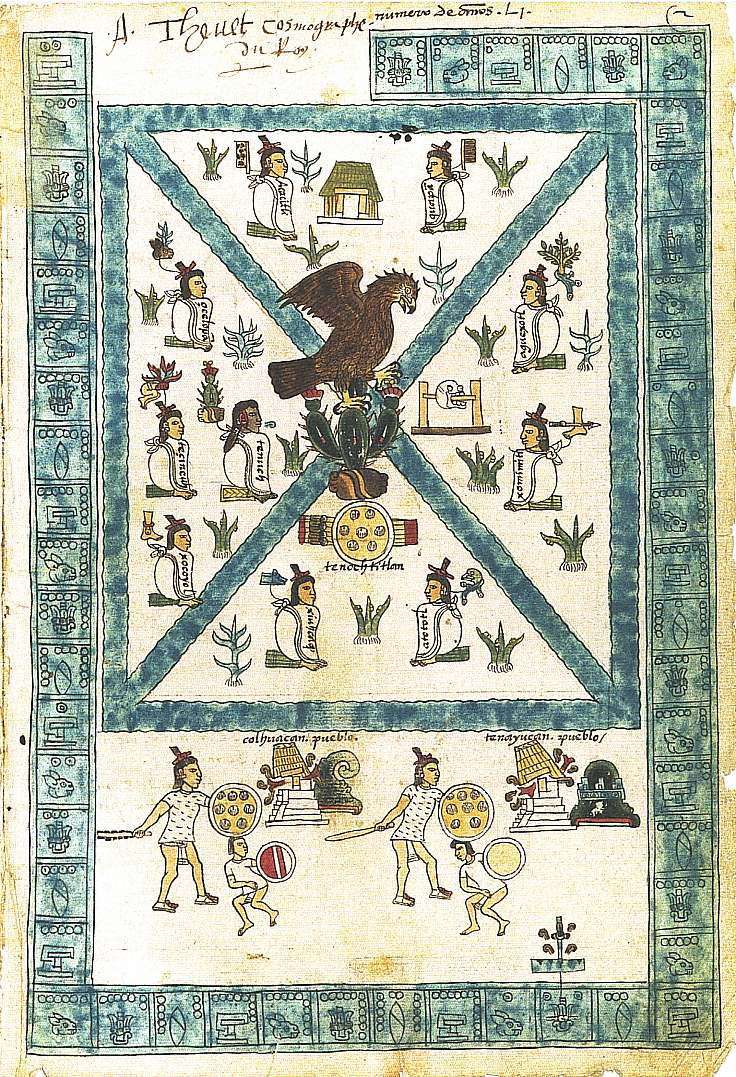
Eagle dreams in Jung's analytical psychology represent sovereignty and the elevated perspective. Homer's Iliad 24.315 has Zeus send an eagle as a waking omen to Priam. Lakota vision-quest literature (Neihardt, Black Elk Speaks, 1932) preserves eagle-vision material with specific ceremonial significance. Roman augury (Cicero De Divinatione) treated waking bird-sightings in the same interpretive tradition.
Dream of an eagle and you already know what it means before you interpret anything. Height. Perspective. Something looking down at the situation from a distance. Almost every tradition that encountered eagles made them symbols of exactly this quality, and the cross-cultural consistency here is worth taking seriously. It’s not coincidence. The eagle’s actual flight, its actual altitude, its actual visual range, produces the symbolism. The myth follows the biology.
Jung’s sovereignty-archetype
C.G. Jung’s analytical psychology treats eagle dreams as activating the sovereignty-archetype, the elevated perspective, the transcendent view, the spirit principle straining away from earth-bound instinct. In The Archetypes and the Collective Unconscious (Collected Works 9i, Princeton, 1959), the eagle represents the spirit-bird, the messenger between the human world and the divine. Where the bear represents the chthonic pull downward, the eagle represents the upward movement.
Eagle dreams in this framework often appear at moments when the dreamer needs perspective, when they are too close to a problem, overwhelmed by ground-level detail, unable to see the larger pattern. The eagle’s elevation is the corrective.
Homer’s Zeus-sent omen
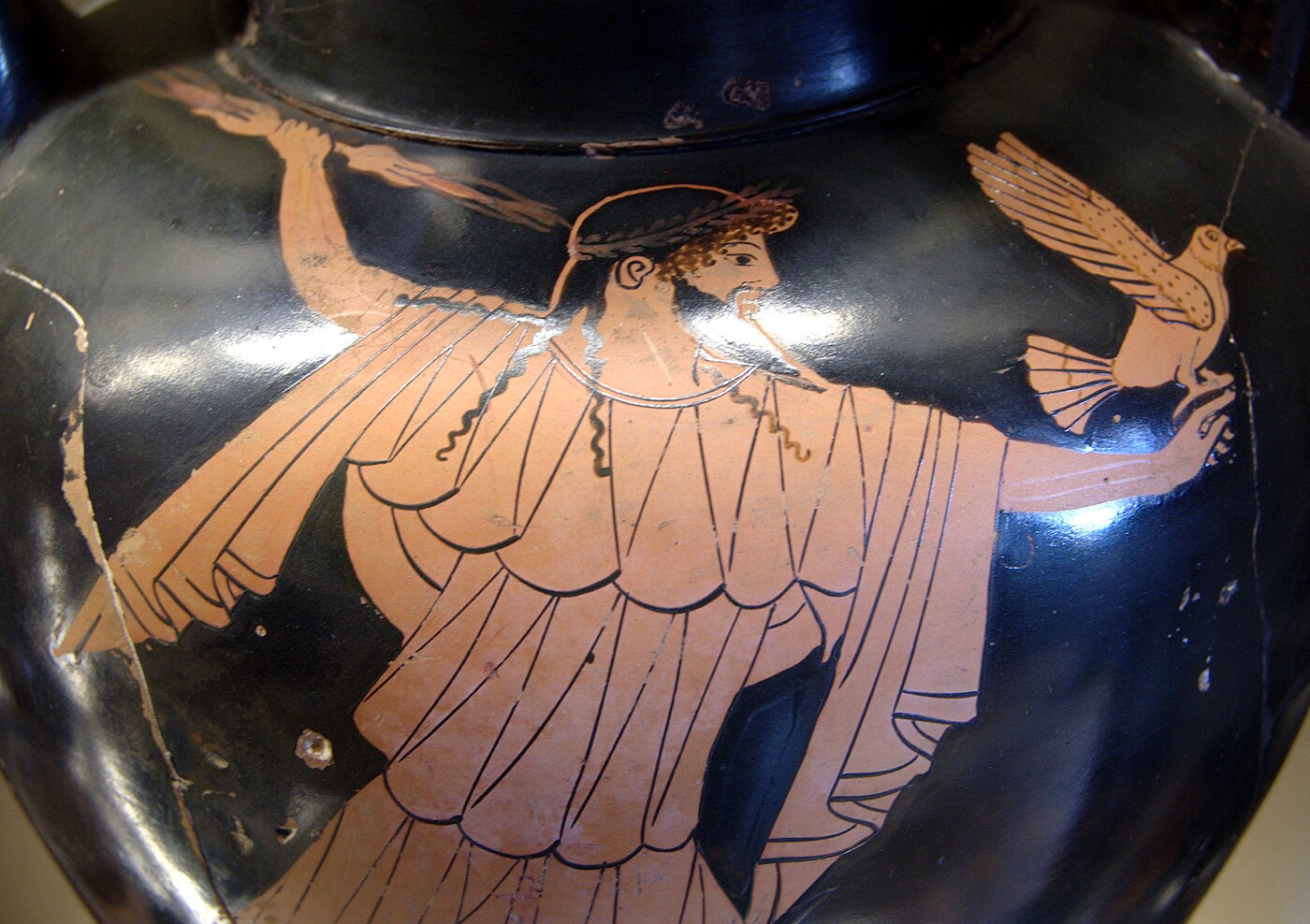
Greek epic treats the eagle as specifically Zeus’s bird, and eagle-sightings function as divine omens throughout Homer. In Iliad 24.315, Zeus sends an eagle as a favorable omen to Priam, who is on his way to ransom Hector’s body from Achilles, the sign that Zeus approves the mission and will protect the grieving king. This is a waking omen in the text, not a dream, but it belongs to the same interpretive tradition: the eagle as heavenly messenger, the bird whose appearance signals divine communication.
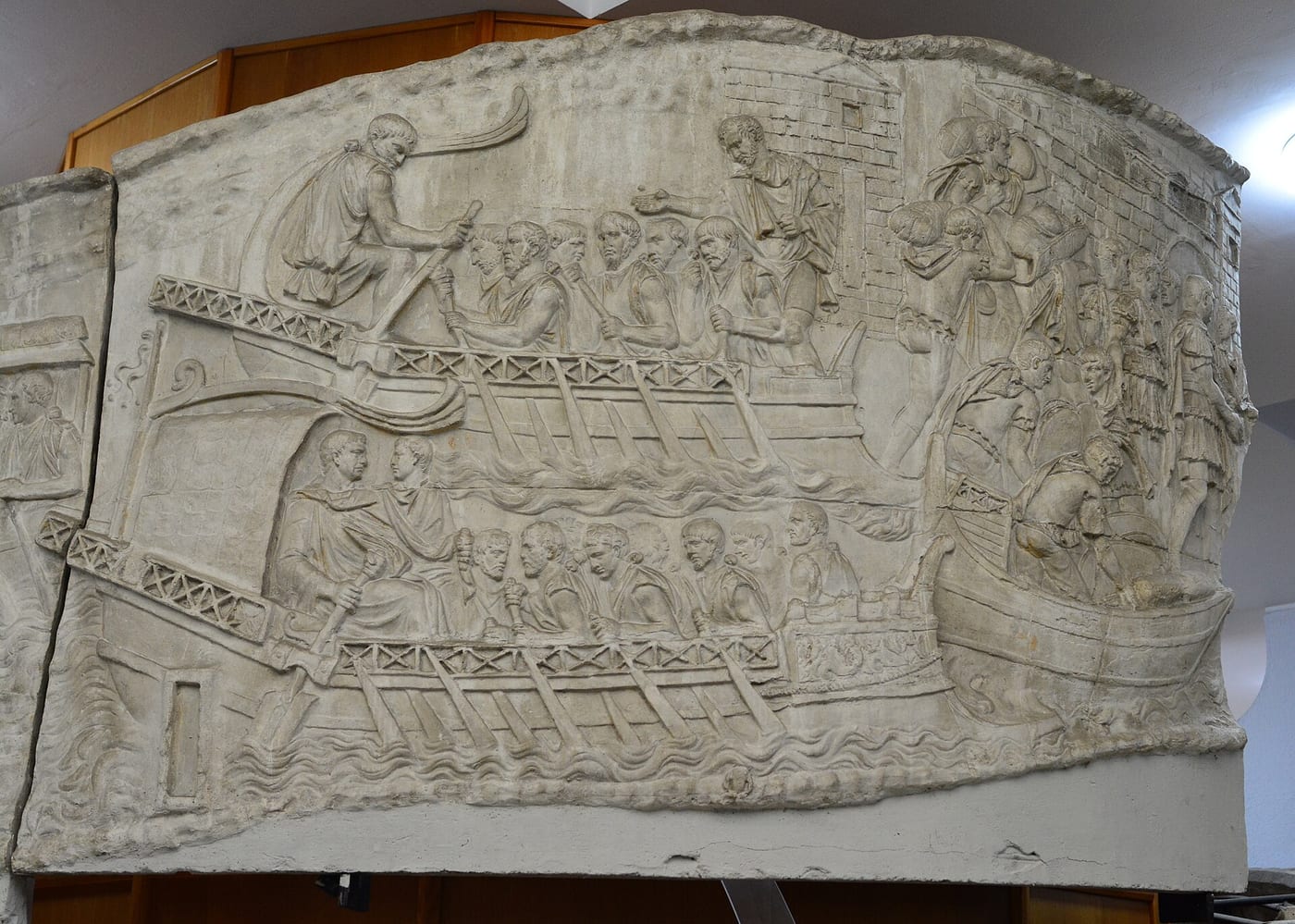
Cicero’s De Divinatione treats Roman augury (the reading of bird signs, particularly eagles, for divine messages) as an extension of this tradition. The eagle’s high flight made it visible over vast distances, associating it naturally with the all-seeing perspective that was attributed to the gods.
Black Elk’s vision
John G. Neihardt’s Black Elk Speaks (William Morrow, 1932) records Black Elk’s Great Vision, received when he was nine years old, in which he was taken to the “flaming rainbow tepee” and received spiritual teachings. Eagles appear throughout the vision as guardians and messengers. Raymond DeMallie’s The Sixth Grandfather (University of Nebraska, 1984), which transcribes the original 1931 interview sessions that Neihardt worked from, preserves the Lakota context more faithfully.
In Lakota tradition, the eagle (wanbli) is associated with the highest spiritual power, connected to the Four Winds, the Grandfathers, and the sacred pipe ceremony. Eagle feathers are used in the pipe ceremony and in the construction of war bonnets. Eagle-vision in this tradition is not metaphor; it is a specific spiritual experience that carries responsibility and specific ceremonial implications. Dreaming of an eagle in this cultural context is a significant event, not a casual symbol.
Frequently asked
- What does it mean to dream of an eagle?
- Jung: sovereignty-archetype, elevated perspective. Homer's Iliad 24.315: Zeus-sent eagle omen. Lakota vision-tradition: eagle-vision material in Black Elk Speaks (Neihardt, 1932) with specific ceremonial responsibilities attached.
- How did the Romans treat waking eagle sightings vs. eagle dreams?
- Roman augury treated eagles (aquilae) as the highest-status omen-birds, sent by Jupiter. Cicero's De Divinatione 1.47-48 records the formal interpretive procedure. Waking eagle-sightings were read in the same tradition as eagle-dreams: both were treated as signals about state affairs, military fortune, or imperial succession, with the eagle's position and direction encoding the specific message.
- What is the Lakota wanbli vision-tradition?
- In Lakota tradition recorded by John Neihardt with Black Elk (Black Elk Speaks, 1932) and Raymond DeMallie's primary-document edition (The Sixth Grandfather, 1984), the wanbli (eagle) is a specific spirit-helper appearing in vision-quest contexts. The eagle is not a generic spirit-animal but a named figure with specific ceremonial responsibilities attached, including eagle-feather use in Sun Dance ceremony and eagle-bone whistle use in pipe ceremonies.
Sources
- PEER-REVIEWED C.G. Jung, Archetypes . Princeton, 1959.
- PRIMARY Homer, Iliad 24.315 . Loeb.
- PRIMARY John G. Neihardt, Black Elk Speaks . William Morrow, 1932.
- PRIMARY Raymond DeMallie (ed.), The Sixth Grandfather: Black Elk's Teachings . University of Nebraska Press, 1984.
- PRIMARY Cicero, De Divinatione 1.47–48 . Falconer trans., Loeb Classical Library.