Dream Meaning
Dreams of Horses: Jung's Archetype, the Mabinogion Rhiannon Dream, and Vedic Aśvamedha Context
Dreams of horses: Jung's archetypal life-force reading, Rhiannon's Mabinogion dream-vision, and the Vedic Aśvamedha dream-precedent.
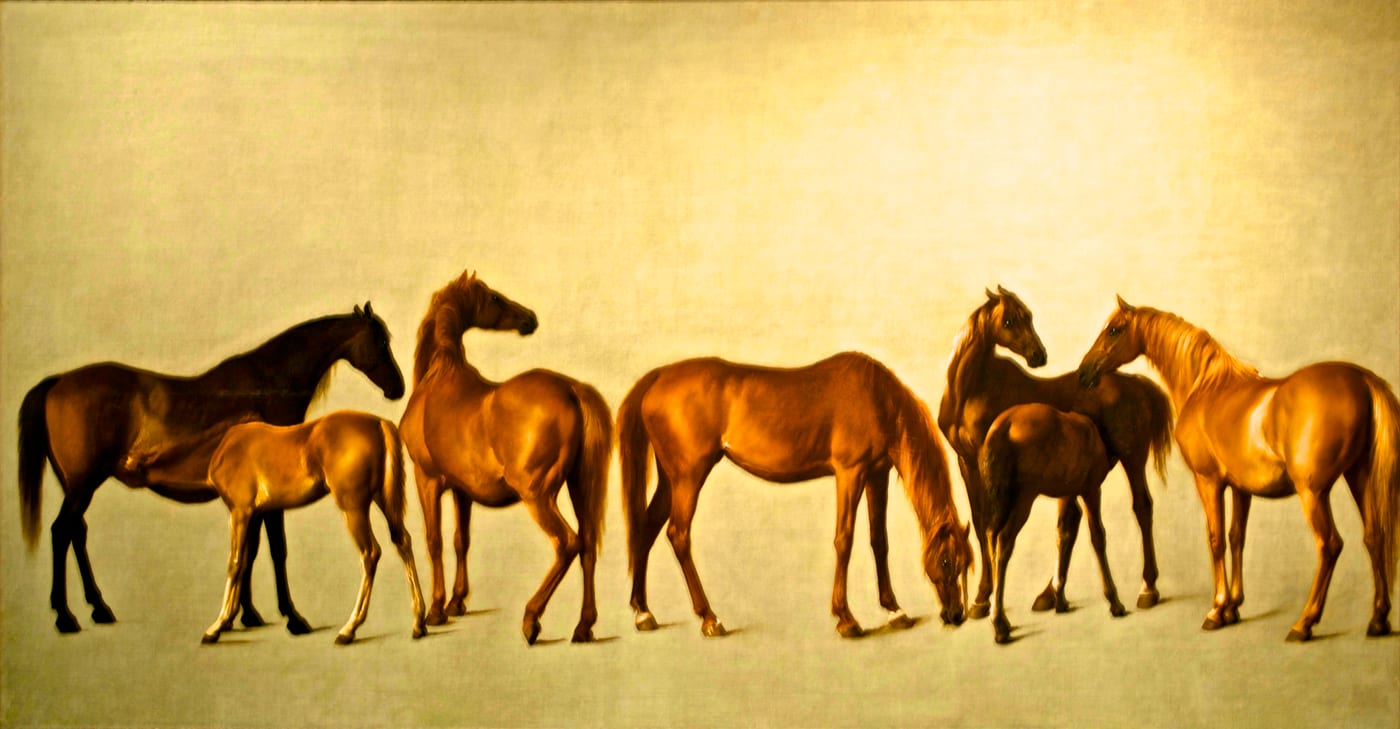
Horse dreams in Jung's analytical psychology represent life-force, instinct, and sometimes the mother-imago-in-motion (Symbols of Transformation, CW 5). The Mabinogion's Rhiannon imagery is one of the oldest Welsh literary horse-dream precedents. Vedic sources (Shatapatha Brahmana 13) connect the royal Aśvamedha horse with cosmic scale.
The horse is the most extensively analyzed dream animal in Western depth psychology. Freud references a recurring horse dream in his Five Lectures on Psycho-Analysis (1910). Jung devotes a long section of Symbols of Transformation to the horse as mother-imago and libido-vehicle. Neither of them had to explain why the horse would generate such potent imagery: for most of human history, horses were how people moved, fought, and farmed. That daily dependency built itself into the cultural unconscious in a way that never fully clears, even after cars and tractors.
Jung’s life-force reading
Jung’s most developed treatment of the horse in dreams appears in Symbols of Transformation (Collected Works 5, Princeton, 1956). He reads the horse as fundamentally representing life-force, instinct, and the energy of the libido in its most dynamic form. The horse in motion is the energized unconscious. The horse out of control is overwhelming instinct. The horse that bucks or cannot be ridden represents a relationship between conscious will and instinctual energy that has broken down.
The mother-imago connection: in several case studies Jung documents horse dreams in which the horse carries the dreamer’s mother-complex, the overwhelming pull of the mother-energy that the patient has not yet differentiated from. These are often disturbing dreams precisely because the horse is both powerful and difficult to separate from.
Rhiannon
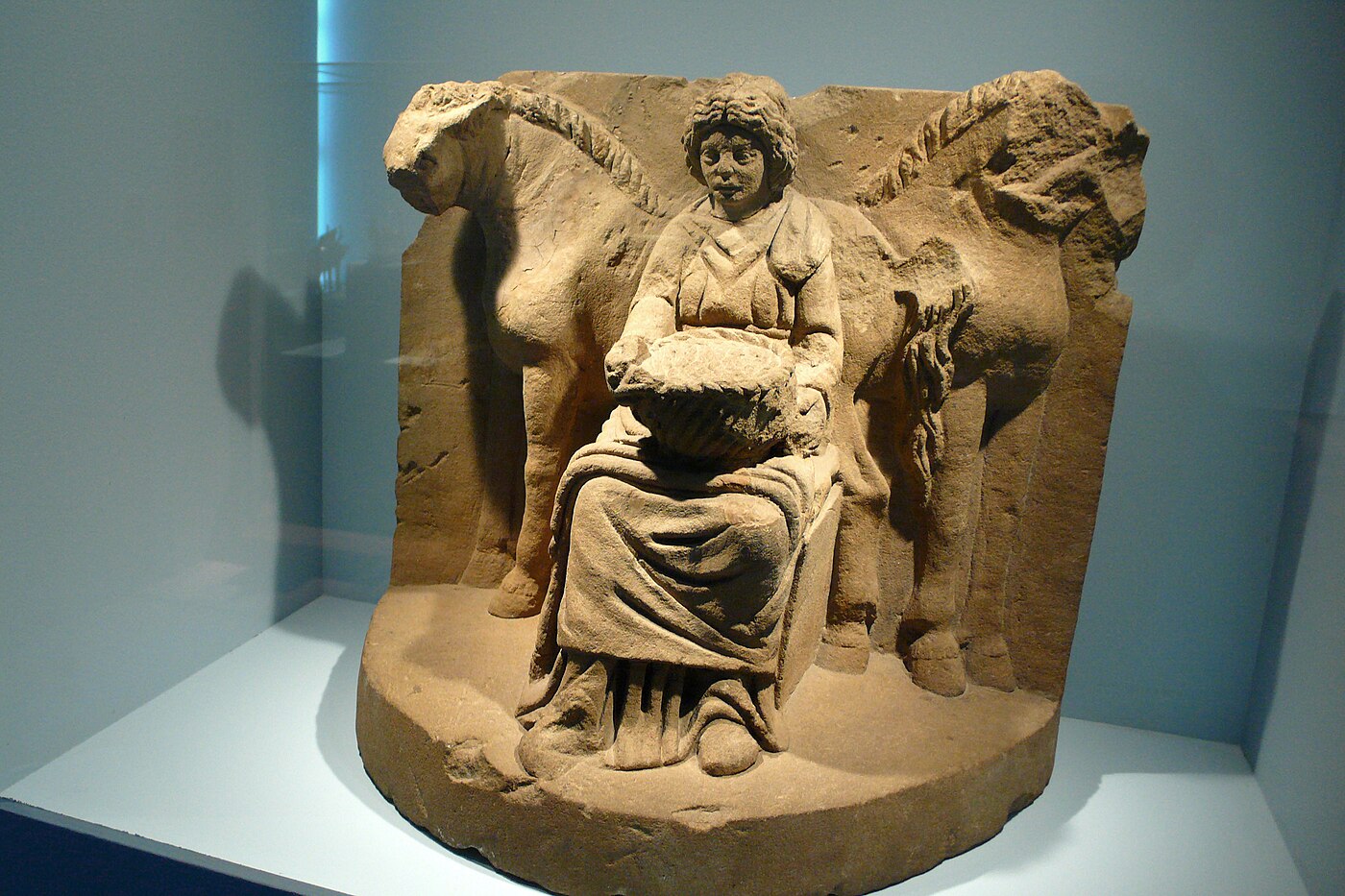
The Welsh Mabinogion’s first branch opens with a scene that has occupied Celtic scholars for generations: Pwyll, prince of Dyfed, sees a woman in golden silk riding past on a white horse at a supernatural pace. No matter how fast his men ride, they cannot catch her. When Pwyll finally asks her to stop, she does immediately, and she is Rhiannon, who has been waiting for him to ask.
Sioned Davies’s 2007 Oxford translation of the Mabinogion preserves the full text. Rhiannon’s horse-form and her later punishment (being forced to carry guests on her back like a horse, falsely accused of killing her son) establishes one of the most complex horse-woman figures in Welsh literature. The horse as feminine power that moves at its own pace, that cannot be chased but can be invited: this is the Mabinogion’s contribution to horse-dream symbolism.
Vedic and Zoroastrian precedents
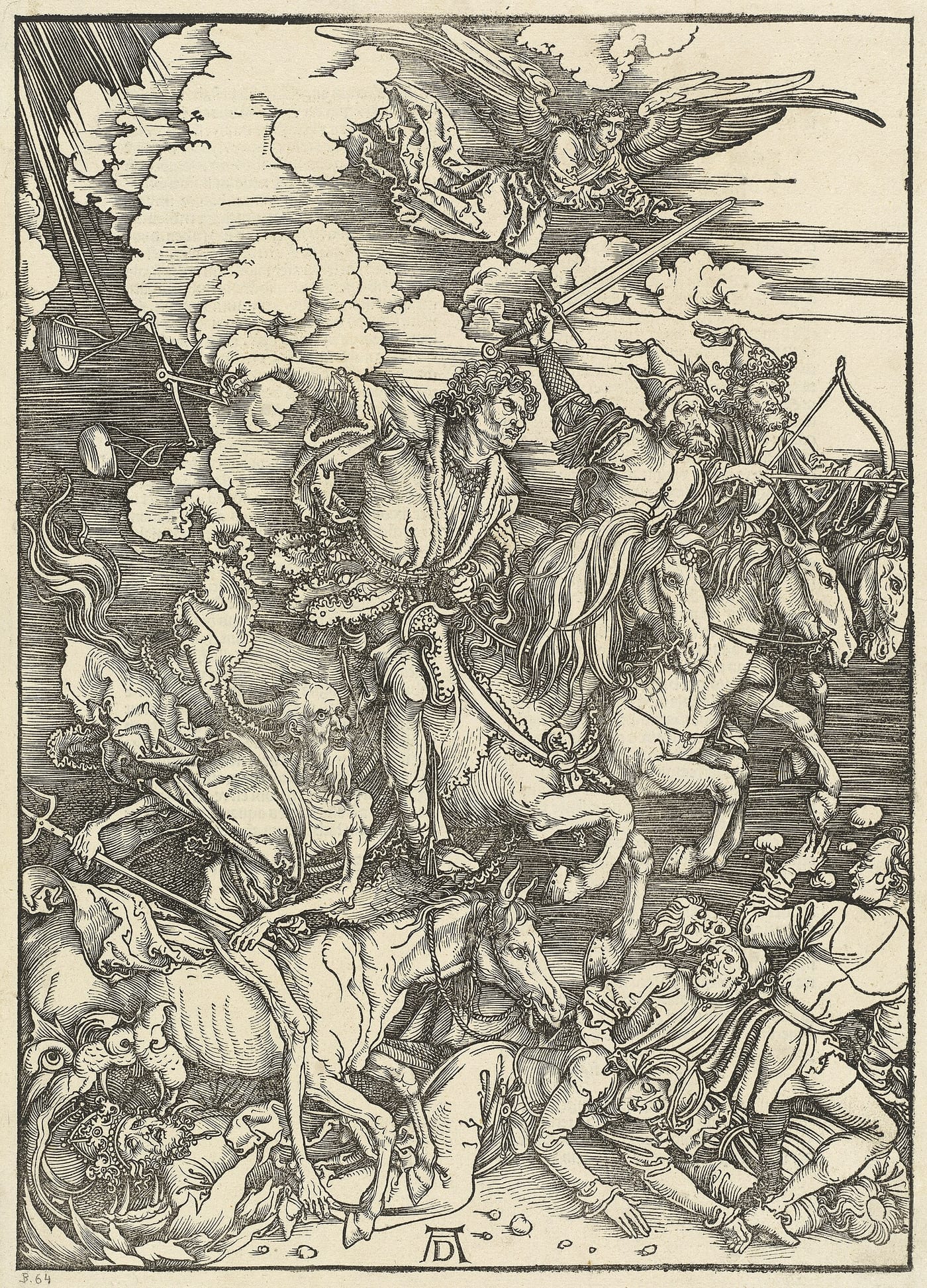
The Vedic Aśvamedha (horse sacrifice) ritual, preserved in the Shatapatha Brahmana 13, was the royal rite by which an Indian king claimed sovereignty over the earth. A stallion was released to roam freely for a year; wherever it wandered, the king claimed dominion. At the year’s end, the horse was sacrificed with elaborate ceremony. The rite’s dream-adjacent elements appear in the Brhadāranyaka Upaniṣad’s opening verses, which identify the horse’s body with the cosmos.
The equation of horse-body with the whole world is not mythology in the decorative sense; it is a specific cosmological claim that the horse’s life-force is cosmic in scale. Dreams of horses in Vedic-influenced traditions carry this cosmological weight, however unconsciously.
Frequently asked
- What does it mean to dream of a horse?
- Jung: life-force, instinct, mother-imago-in-motion (Symbols of Transformation CW 5). Welsh: Mabinogion Rhiannon's white horse precedent. Vedic: Aśvamedha horse as cosmological figure (Shatapatha Brahmana 13).
- Why is Rhiannon's horse the central Welsh horse-dream image?
- The First Branch of the Mabinogion: Pwyll sees a beautiful woman riding a pale-white horse at a walking pace; the harder his men try to catch her, the further ahead she pulls without changing speed. Rhiannon's horse is the dream-as-pursuit image that cannot be caught by force. Sioned Davies's Oxford translation (2007) is the standard scholarly English text. The figure has influenced every subsequent Welsh literary horse-dream from Cynddylan to contemporary writers.
- What does the Vedic Aśvamedha contribute?
- The Shatapatha Brahmana 13 details the royal Aśvamedha (horse sacrifice) ceremony in which a consecrated horse was allowed to wander free for a year while the king's warriors followed and claimed every territory it entered. The Aśvamedha encodes the horse as a cosmological figure: free range becomes sovereignty. Dream-horses in the Vedic frame carry this kingship-and-territory weight that is largely absent from the Jungian reading.
Sources
- PEER-REVIEWED C.G. Jung, Archetypes . Princeton, 1959.
- PRIMARY The Mabinogion (Branch 1, Rhiannon) . Davies trans., Oxford, 2007.
- PRIMARY Shatapatha Brahmana 13 (Aśvamedha sections) . Eggeling trans., Sacred Books of the East 44, 1900.
- PEER-REVIEWED C.G. Jung, Symbols of Transformation . Collected Works Vol. 5, Princeton, 1956.
- PEER-REVIEWED Sigmund Freud, Five Lectures on Psycho-Analysis . Worcester, 1910.