Dream Meaning
Dreams of Orcas: Jung's Deep-Psyche Archetype, Haida-Tlingit Killer-Whale Traditions, and Tilikum
Dreams of orcas: Jung's deep-psyche archetype reading, Haida and Tlingit killer-whale cultural traditions, and the contemporary Blackfish (2013) captivity context.
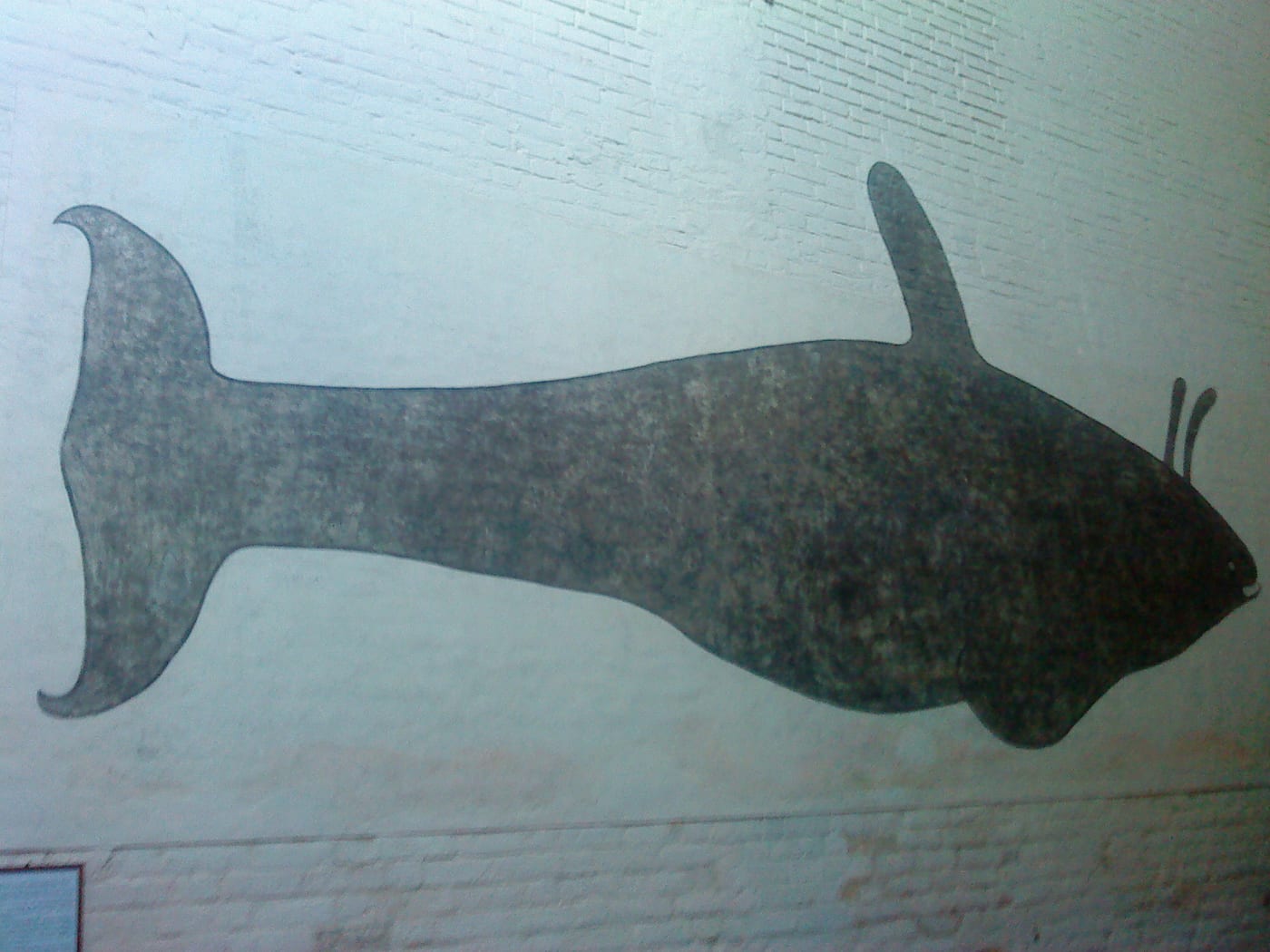
Orca dreams in Jung's analytical psychology represent deep-psyche navigation and powerful-unconscious imagery. Haida and Tlingit traditions treat the killer whale (Haida skaana) as an ancestor-figure and clan-totem; John Swanton's 1905 Bureau of American Ethnology fieldwork and Robert Bringhurst's A Story as Sharp as a Knife (1999) preserve the specific Haida material. The 2013 documentary Blackfish added a contemporary captivity-ethics layer to any orca imagery.
Orca dreams are comparatively rare in the clinical literature, which makes sense: most humans have no direct experience with killer whales. The orca’s symbolic weight in mainstream Western culture is largely a post-1960s development. What the orca does carry in dreams is the power of the deep, but not the generic kind. An orca is an intelligent, socially complex creature with pod-specific dialects and multigenerational memory, operating in a medium humans can’t inhabit. When it shows up in a dream, it brings all of that with it.
Jung and the deep-psyche archetype
C.G. Jung’s analytical psychology does not address the orca specifically, but its framework applies clearly. The ocean represents the collective unconscious: the vast, undifferentiated depth beyond the ego’s territory. The orca as the ocean’s apex predator carries the power of the unconscious at its most organized and purposeful. Where shark-dream imagery tends to activate predatory threat, orca imagery more often activates intelligence-in-the-depths, something enormous and purposeful moving through water.
The social structure of orcas (matriarchal pods, long lifespans, culturally specific dialects that differ between pods) makes them unusual among large predators as dream-images. An orca dream rarely signals blind menace; it tends to signal organized, community-embedded power from a place you cannot see.
The Haida and Tlingit skaana tradition
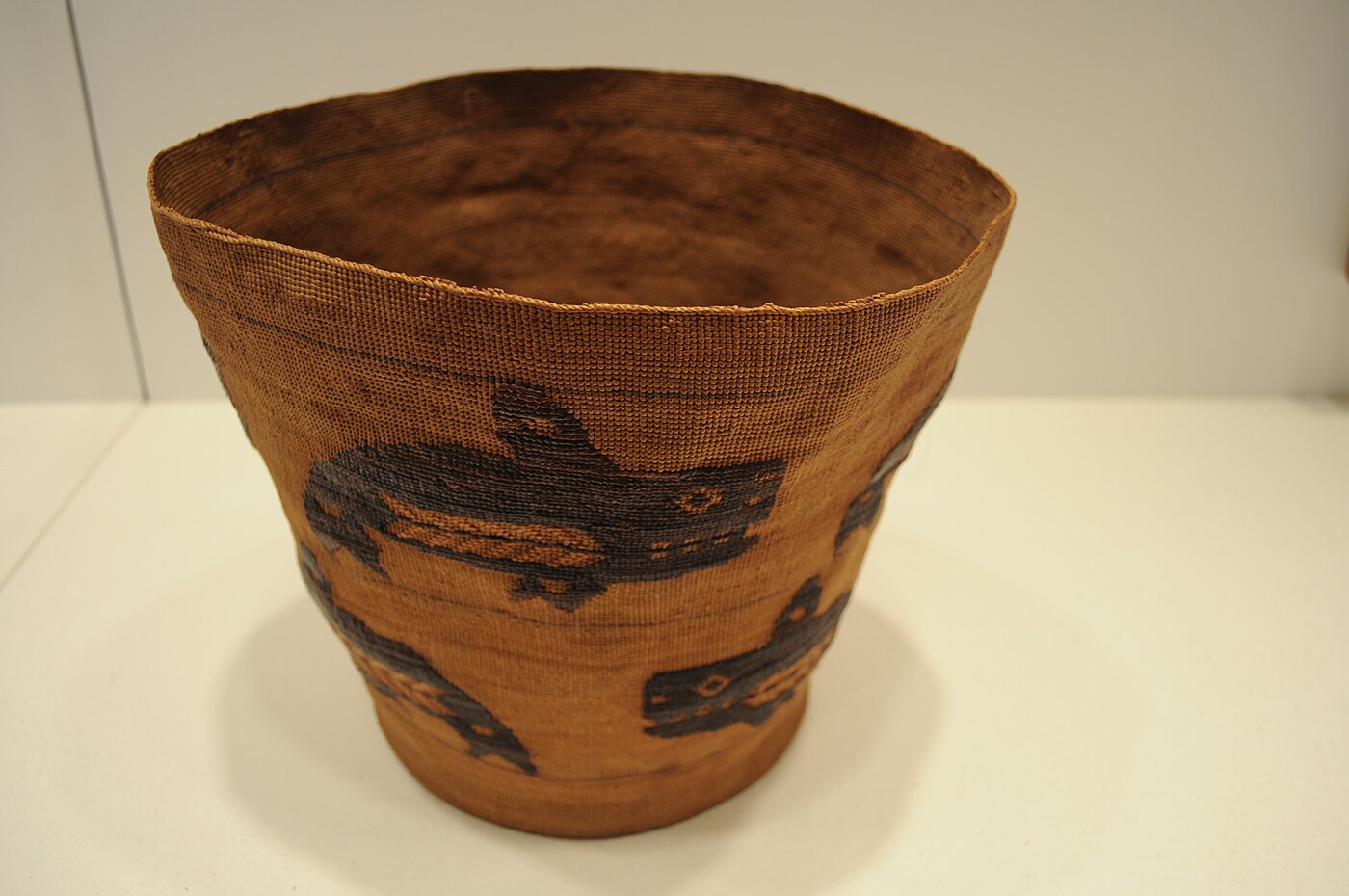
The Haida killer whale, skaana, is one of the central figures in Haida cosmology. John R. Swanton’s fieldwork on Haida Gwaii, published as Haida Texts and Myths (Smithsonian BAE Bulletin 29, 1905), preserves the key narrative materials. Franz Boas’s fieldwork among the Kwakwaka’wakw documented parallel killer-whale traditions in his Kwakiutl Ethnography (1966, edited by Helen Codere). Robert Bringhurst’s A Story as Sharp as a Knife (Douglas & McIntyre, 1999) provides the literary analysis.
In Haida and Tlingit tradition, the orca is not only a powerful sea creature but a transformed ancestor, humans who drowned, or who went into the sea through ceremony, who became orcas and retained their social bonds and intelligence in that form. The orca that follows a canoe is recognized as a dead relative. This is not metaphor; it is a specific claim about the continuity of social relationships across the threshold between worlds.
In this tradition, dreaming of an orca is not dreaming of an alien creature. It is dreaming of a relative in a different form.

The Blackfish layer
The 2013 documentary Blackfish (directed by Gabriela Cowperthwaite) transformed the cultural meaning of orca imagery for an entire generation of Western viewers. The documentary’s focus on Tilikum, a bull orca captured in 1983 and held at SeaWorld for decades, drew attention to the psychological damage of captivity and the conditions that produced multiple handler deaths. Whatever orca dreams meant before 2013, for anyone who has seen the documentary they now also carry the weight of captivity, intelligence under constraint, and the consequences of keeping powerful social creatures in conditions that deny their nature. That layer does not replace the older symbolic readings; it adds to them.
Frequently asked
- What does it mean to dream of an orca?
- Jung: deep-psyche navigation. Haida-Tlingit: ancestor-figure, clan-totem (Swanton 1905, Bringhurst 1999). The 2013 Blackfish documentary added contemporary captivity-ethics weight.
- What is the Haida killer-whale tradition?
- In Haida tradition documented by John Swanton's 1905 Bureau of American Ethnology fieldwork (Haida Texts and Myths, BAE Bulletin 29) and Robert Bringhurst's A Story as Sharp as a Knife (1999), skaana (the killer whale) is an ancestor-figure and clan-totem. Haida cosmology has the killer whales as a parallel-people living beneath the sea: they are not symbols but relations. Dreams of orcas in a Haida frame are encounters with kin, not metaphors.
- Does the 2013 Blackfish documentary change orca-dream readings?
- Yes, for contemporary American dreamers. Gabriela Cowperthwaite's Blackfish (Magnolia Pictures, 2013) documents the captivity story of Tilikum, the SeaWorld orca involved in three human deaths, and made captive-orca ethics a public-cultural fact. Orca dreams in post-2013 American context carry a layer of captivity-and-release imagery the older Haida-Tlingit traditions did not produce. The same animal, a new symbolic load.
Sources
- PEER-REVIEWED C.G. Jung, Archetypes . Princeton, 1959.
- PRIMARY John R. Swanton, Haida Texts and Myths . Smithsonian BAE Bulletin 29, 1905.
- PEER-REVIEWED Robert Bringhurst, A Story as Sharp as a Knife . Douglas & McIntyre, 1999.
- REFERENCE Gabriela Cowperthwaite (dir.), Blackfish (Magnolia Pictures, 2013)
- PRIMARY Franz Boas, Kwakiutl Ethnography (ed. Helen Codere) . University of Chicago Press, 1966.
- PEER-REVIEWED J. Allan Hobson, Dreaming: An Introduction to the Science of Sleep . Oxford University Press, 2002.