Dream Meaning
Dreams of Owls: Jung's Shadow-Wisdom, Athena's Counsel, and the Roman Death-Omen Tradition
Dreams of owls: Jung's shadow-and-wisdom archetype, Athena-counsel positive tradition, and the Roman strix death-omen tradition (Pliny NH 11.93, Ovid Fasti 6.131).
Owl dreams carry a sharp cultural split. Jung's analytical psychology: shadow-wisdom, the intelligence that operates in darkness. Greek Athena-tradition: counsel from a goddess. Roman strix tradition (Pliny Natural History 11.93, Ovid Fasti 6.131): death-omen, the darker lineage that runs directly into British and Appalachian folk-belief. Which reading applies depends on the cultural inheritance the dreamer carries.
Owl dreams carry one of the starkest cultural splits of any dream-animal: in the Greek Athena tradition, the owl in dreams is an omen of wisdom and counsel; in the Roman strix tradition and in much of British and Appalachian folk-belief, the owl is a death omen. Both traditions have deep historical roots. Which one shapes a given dreamer’s owl imagery depends almost entirely on which cultural inheritance they carry.
Jung’s shadow-wisdom reading
C.G. Jung’s analytical psychology treats owl dreams as activating shadow-wisdom, the knowing that lives in darkness, the intelligence that operates outside the bright daylight of conscious rationality. The owl as a night-seeing bird, capable of perceiving what daylight consciousness cannot, became the standard Jungian reading, available to dreamer-analysis without requiring cultural specificity about whether the owl is a good or bad omen.
In Jungian dream analysis, an owl appearing is treated as a message from the unconscious delivering insight that the ego’s daytime orientation has missed. The owl sees in the dark. So does this part of the psyche. This is the Athenian owl: counsel from a source that operates when rational daylight reasoning can’t.
Athena’s Little Owl
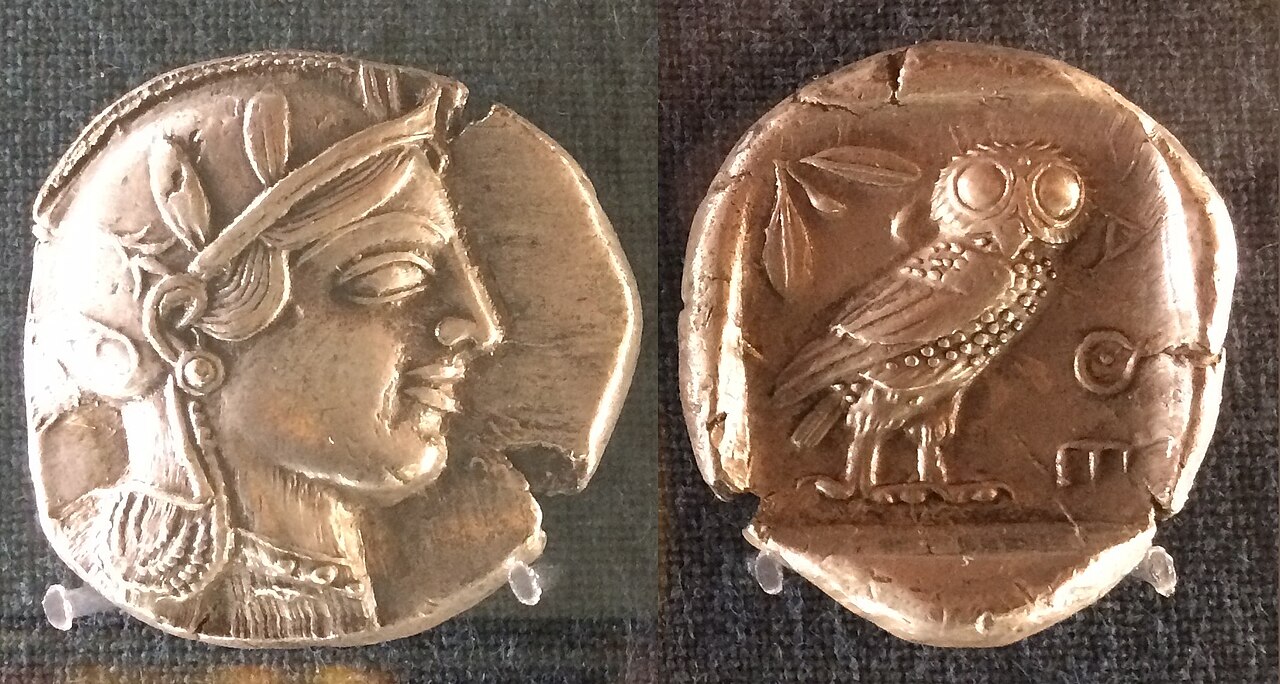
The small owl that appears on Athenian silver tetradrachms (the standard coin of the Greek world for several centuries) is the Little Owl, Athene noctua, Athena’s bird. The association between Athena and the owl is documented across Greek literature from Homer onward: the owl’s night-sight connects to Athena’s wisdom, her association with strategy and intelligence that sees what others miss.
The phrase “bringing owls to Athens” (equivalent to “carrying coals to Newcastle” in modern English) is attested in Aristophanes, Pliny, and Erasmus. It meant bringing something to a place that already had it in abundance. Athens had so many owls, and so clearly identified itself with the bird of wisdom, that the expression became proverbial. Owl dreams in this Greek-inherited tradition are counsel-dreams: something knowing is trying to be heard.
The Roman strix
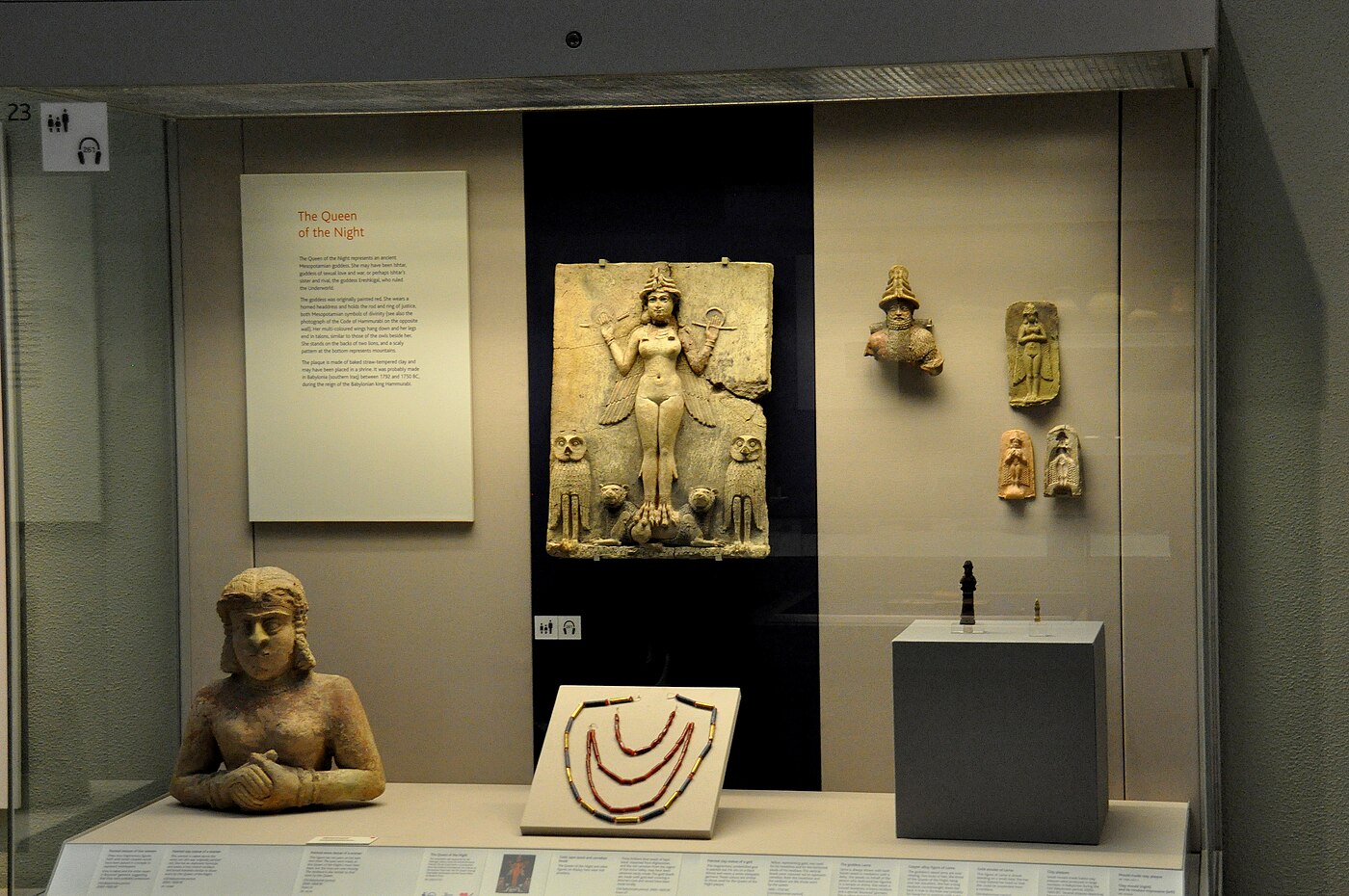
The Roman strix, documented by Pliny the Elder in Natural History 11.93 and by Ovid in Fasti 6.131–140, is a different creature: a terrifying nocturnal predator that flew in the night and fed on infants. Pliny hedges on whether it exists, but the cultural weight is unmistakable, the owl as night-flyer became connected to death-omen in Roman popular belief.
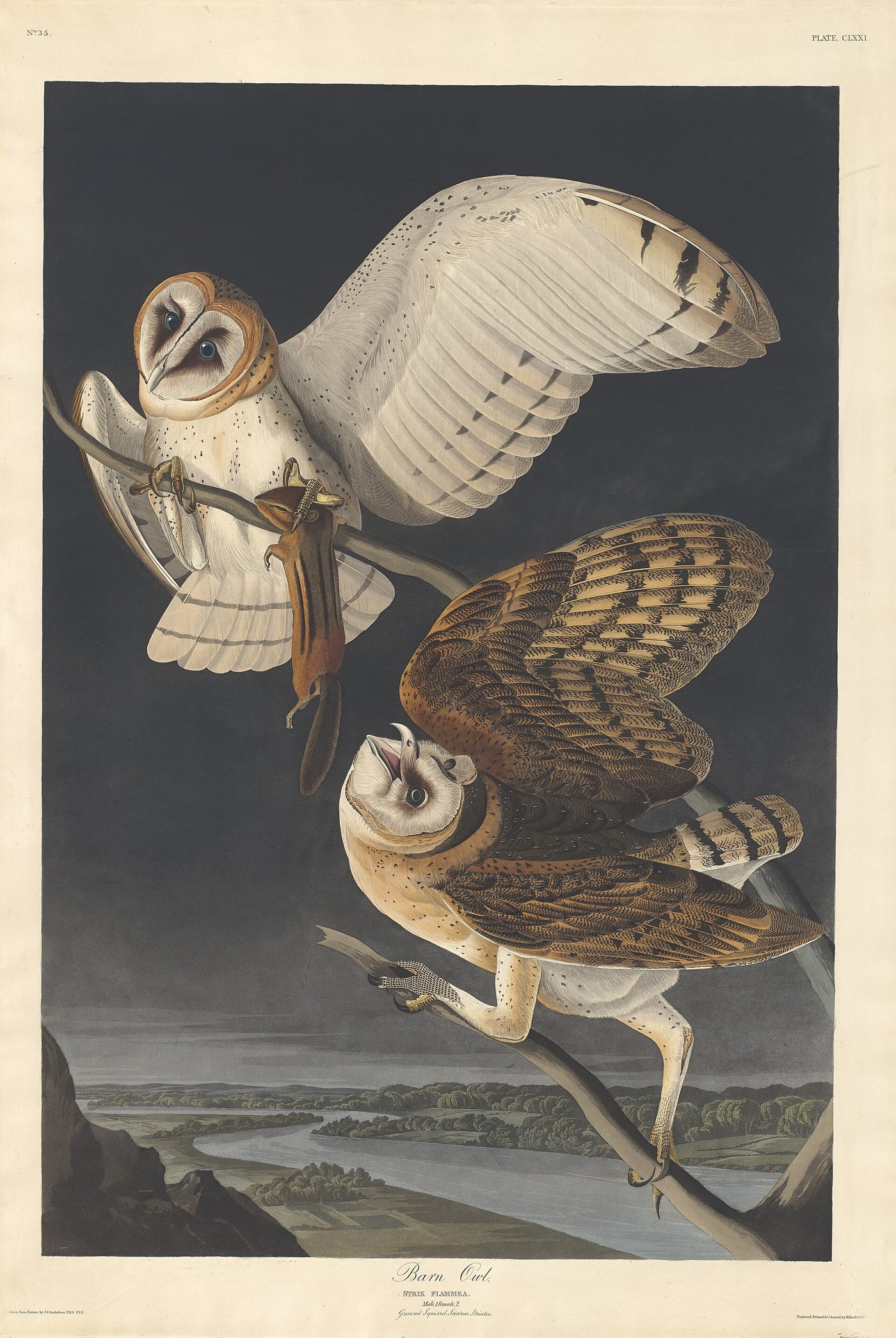
This lineage runs directly into medieval European folk-belief, into British traditions documented by John Brand’s Observations on Popular Antiquities (1777), and into Appalachian folk-culture where a screech owl heard at night is widely interpreted as a death-warning. Momaday, in House Made of Dawn (1968), registers this tradition in a Native American context: the owl as the bird of death appears across many traditions independently.
Which reading applies
The owl’s cultural split is the clearest example of why the same dream image generates completely opposite interpretations depending on context. A Greek philosopher’s owl-dream and an Appalachian farmer’s owl-dream are not the same dream, even if they share the same imagery. The interpretive tradition the dreamer carries (consciously or not) is the primary determinant of meaning. Any honest owl-dream interpretation acknowledges this rather than collapsing both readings into “wisdom.”
Frequently asked
- What does it mean to dream of an owl?
- Cultural split. Jung: shadow-wisdom. Greek Athena: counsel. Roman strix / Appalachian folk: death-omen. See our owl spirit-animal page.
- How does the Greek Athena tradition treat owl-dreams?
- The Little Owl (Athene noctua) is sacred to Athena, goddess of wisdom and crafts; her epithet glaukōpis ("owl-eyed" or "bright-eyed") in Homer ties her to the bird at the level of physical attribute. Owl-sightings before battle (Plutarch, Themistocles 12) and the Athenian tetradrachm coinage encoded the owl as a positive omen, divine counsel rather than threat. A dream-owl in the Athena tradition is a goddess speaking, not a death-bird.
- Where does the death-omen tradition come from?
- Pliny the Elder's Natural History 11.93 and Ovid's Fasti 6.131-140 document the Roman strix, a bird-figure that drinks the blood of infants at night. The strix tradition flowed directly into medieval European folk-belief about owls and from there into Appalachian and Ozark folklore. Adrienne Mayor's Folklore article ("The Strix: Owls as Death Omens," 2004) traces the lineage. Which reading applies to a dream-owl depends on the cultural inheritance the dreamer carries.
Sources
- PEER-REVIEWED C.G. Jung, Archetypes . Princeton, 1959.
- PRIMARY Pliny the Elder, Natural History 11.93 . Loeb.
- PRIMARY Ovid, Fasti 6.131–140 . Loeb.
- PEER-REVIEWED Adrienne Mayor, 'The Strix: Owls as Death Omens' . In Folklore 115.3, 2004.
- PRIMARY Plutarch, Themistocles 12 . Loeb Classical Library.