Dream Meaning
Dreams of Snakes: Jung's Archetypes, Genesis 3 Substrate, and Cross-Cultural Variation
Dreams of snakes: Jung's analytical psychology interpretation (kundalini, transformation, shadow), the Genesis 3 / Adam-and-Eve substrate in Christian-influenced contexts, and cross-cultural variation.
Snake dreams are one of the most-reported dream-images in modern dream-research. In Jung's analytical psychology (Symbols of Transformation, 1912/1956), snakes typically represent kundalini-energy, transformation, and shadow-material. Genesis 3 substrate in Christian-influenced contexts tends to code snake-dreams as deception or temptation. In Hindu and Buddhist contexts (nāga traditions), snake-dreams can carry protective-auspicious readings. The Asclepian healing-snake tradition (Pausanias 2.27.1, Epidaurus dream-incubation cures involving live non-venomous snakes) is the oldest documented positive medical snake-dream interpretation.
Snake dreams are the most analyzed animal image in Western depth psychology. Not close. Freud, Jung, Rank, and most analysts after them returned to the snake repeatedly, because the same image generates completely opposite cultural responses depending on where you’re standing. The snake that heals (Asclepius), the snake that betrays (Genesis), the snake that protects (Hindu nāga): these are not the same creature filtered through different aesthetics. They’re different beliefs about what a snake is.
Freud versus Jung
Sigmund Freud’s The Interpretation of Dreams (1900) treats the snake as primarily phallic imagery, elongated, penetrating, representing sexual drives in their unconscious manifestation. This reading dominated clinical psychology for decades and still shapes how many people approach snake dreams.
C.G. Jung’s reading in Symbols of Transformation (Collected Works 5, 1912/1956) is more complex and, many analysts would argue, more useful. Jung sees the snake as representing transformation (shedding skin), kundalini energy (the coiled force at the base of the spine in Hindu tradition), and often the autonomous movement of the unconscious itself, the thing that moves independently, coils, strikes, retreats. The snake in the Jungian frame is neither simply sexual nor simply threatening; it is the psyche’s own deep activity, made visible.
Mysterium Coniunctionis (Collected Works 14) expands this further, connecting the snake to alchemical tradition, the Ouroboros, the snake eating its own tail, as the symbol of the self-contained, self-consuming, self-renewing totality of the psyche.
The Genesis 3 substrate
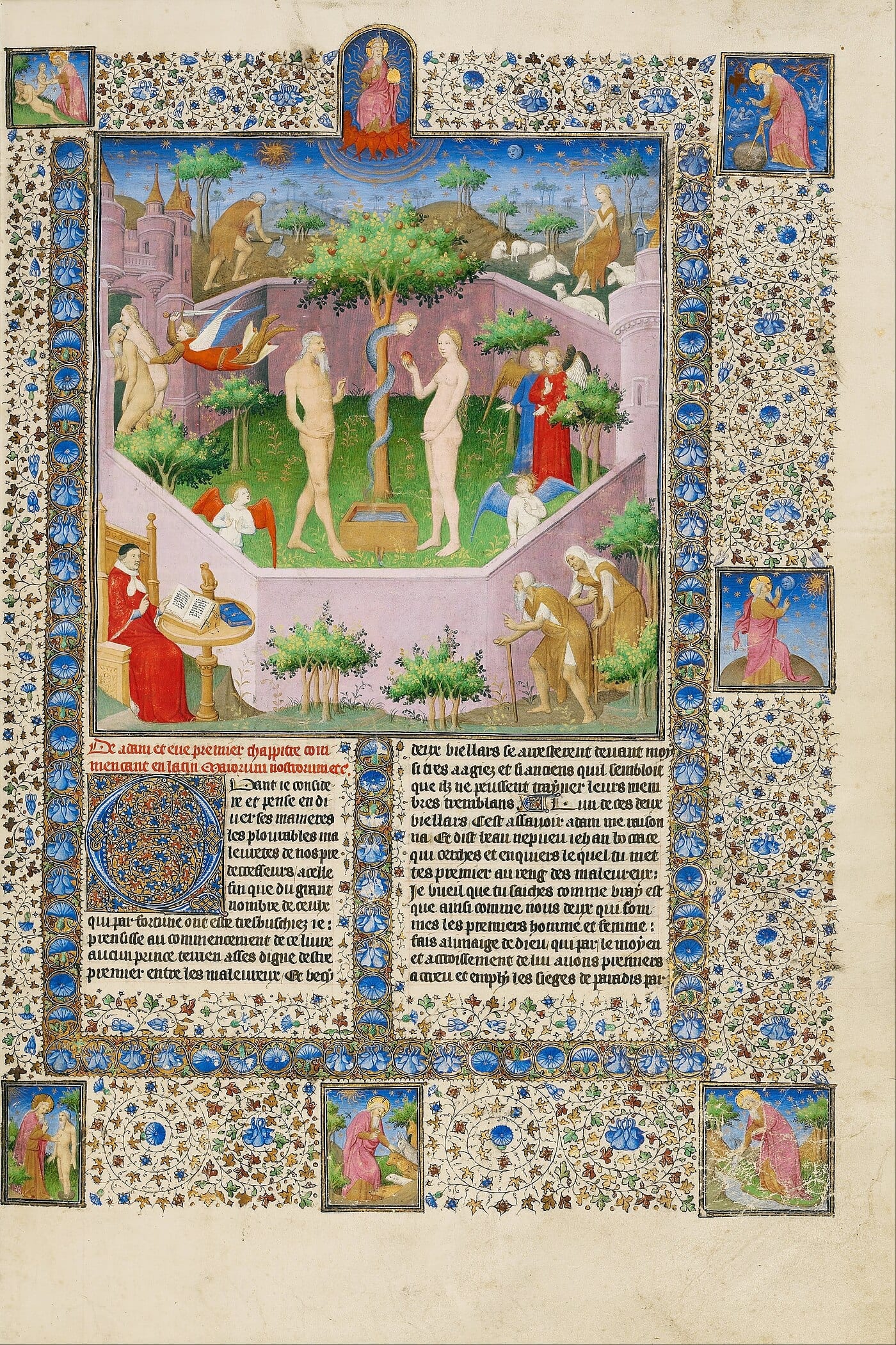
The serpent of Genesis 3 is the adversarial figure in the Judeo-Christian-Islamic inheritance: the deceiver, the agent of the Fall. For anyone whose dream-imagination was shaped by this tradition (consciously or not) the snake carries the negative charge of deception and danger. This is not a shallow or recent association. Three millennia of the most widely-distributed scripture in human history have built this into the Western unconscious at structural depth.
Wendy Doniger O’Flaherty’s Dreams, Illusion, and Other Realities (University of Chicago, 1984) provides a thorough comparative treatment of how Genesis-substrate snake-imagery contrasts with Hindu and Buddhist dream-snake material, where the same animal activates completely different responses.
Hindu and Buddhist nāga
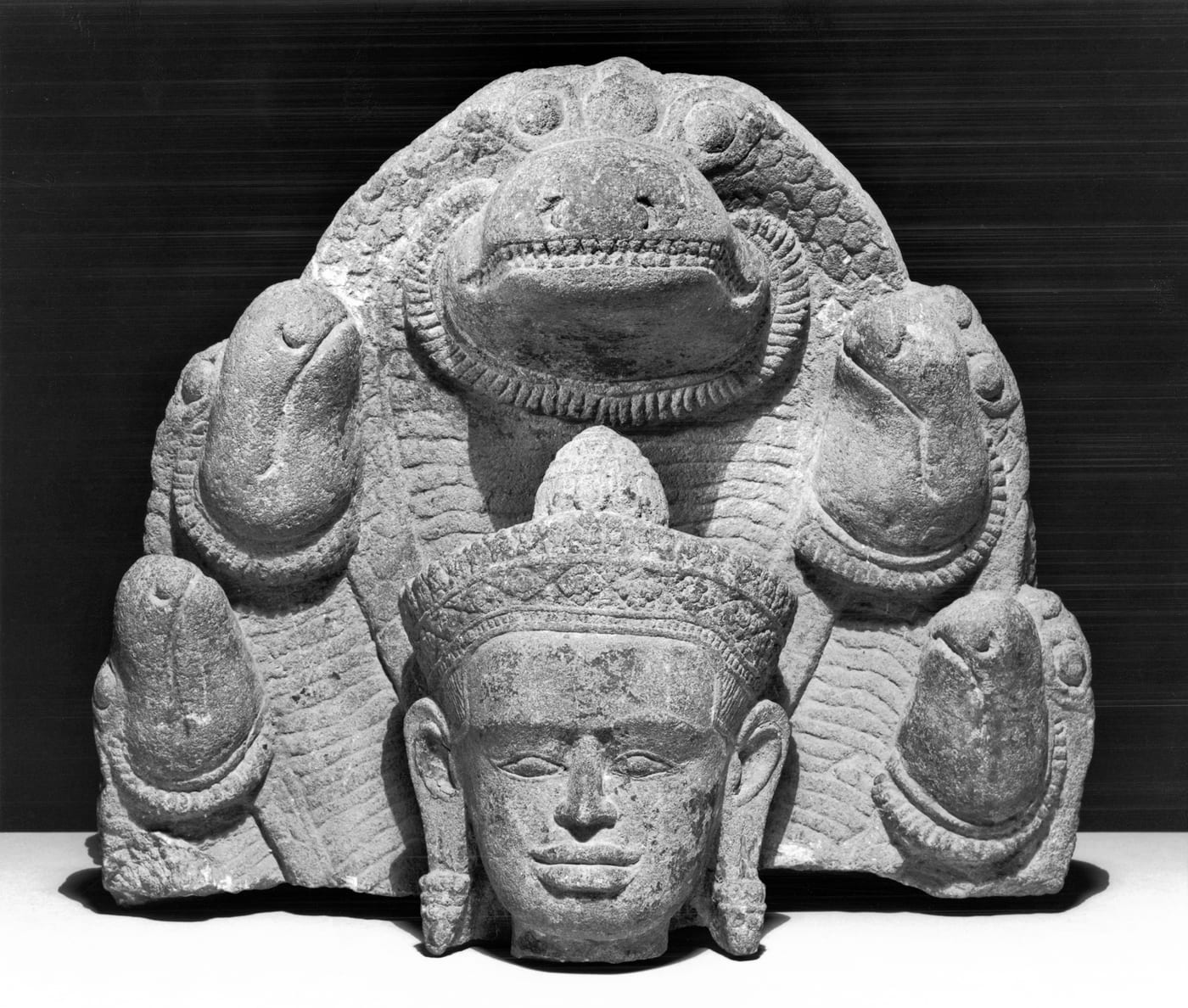
Hindu and Buddhist traditions treat the nāga (the serpent being) as protective, associated with water, fertility, the earth, and the deep powers that sustain life. The nāga in Hindu iconography coils beneath Vishnu as he sleeps on the cosmic ocean; Shiva wears a cobra around his neck. In Buddhist art, the seven-headed nāga spreads its hood to shelter the meditating Buddha from a storm. This is protective snake-imagery, the serpent as guardian rather than threat.
A snake dream in a context shaped by nāga traditions carries this protective-auspicious charge. The same dream in a Genesis-shaped context carries danger and deception. There is no universal snake-dream meaning that works across both.
The Asclepian healing tradition
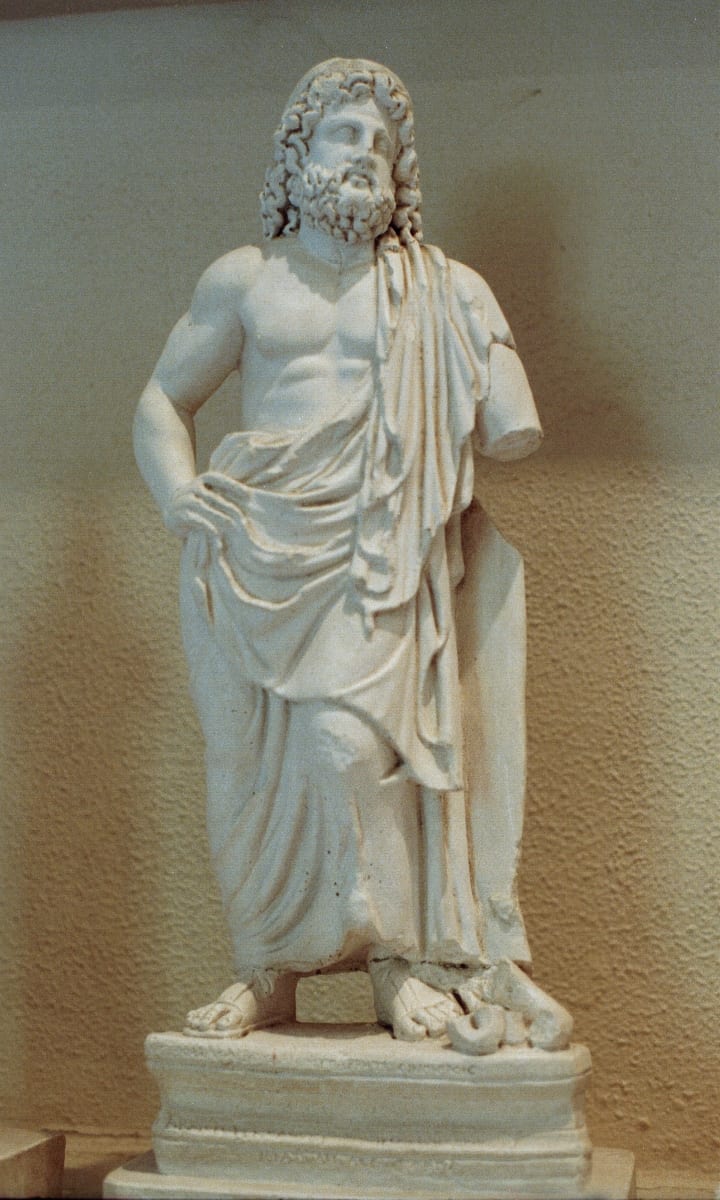
Pausanias’s Description of Greece 2.27.1 describes the sanctuary at Epidaurus, the most important healing sanctuary in ancient Greece, where patients would undergo enkoimesis (ritual sleep in the sanctuary) hoping to receive dream-cures from the god Asclepius. Non-venomous snakes (the Aesculapian snake, Zamenis longissimus) were kept in the sanctuary and were believed to be manifestations of the god. A snake licking a wound in an enkoimesis dream was a specific healing sign.
This is the oldest documented tradition of positive medical snake-dream interpretation in the Western record. The Asclepian serpent became the medical symbol (the rod of Asclepius) that endures on the WHO logo today. It stands for the snake-bite that heals, the venom that in controlled dose becomes medicine.
Frequently asked
- What does it mean to dream of a snake?
- The most analyzed animal dream-image in depth psychology. Jung: kundalini-energy, transformation, shadow. Genesis 3-substrate: deception. Hindu-Buddhist nāga: protective, associated with water and earth-power. Asclepian Greek tradition (Pausanias 2.27.1): live snakes used in temple-sleep healing rituals at Epidaurus. The same image, four opposite readings.
- Is a snake dream a bad omen?
- Depends on cultural frame. Genesis 3-substrate Western contexts often read it negatively. Hindu-Buddhist nāga contexts often read it positively. The Greek Asclepian tradition treated snake-dreams as specifically healing. Modern dream-research treats dream-imagery as memory-consolidation rather than omen.
- What is the Asclepian healing-snake tradition?
- The sanctuary of Asclepius at Epidaurus practiced enkoimesis (temple sleep): patients slept in the abaton hoping to receive a healing dream. Live non-venomous snakes moved freely through the sanctuary; the iamata stelae (4th c. BCE) record cures attributed to dream-encounters in which the snake licked an injury or touched a sufferer. Pausanias's Description of Greece 2.27.1 documents the practice. The Asclepian snake-dream is specifically therapeutic, the foundation of the medical caduceus-adjacent symbolism still in the WHO logo.
Sources
- PEER-REVIEWED C.G. Jung, Symbols of Transformation . Collected Works Vol. 5, Princeton, 1956.
- PRIMARY Genesis 3 . BHS / JPS 1985.
- PRIMARY Pausanias, Description of Greece 2.27.1 . Loeb.
- PEER-REVIEWED Wendy Doniger O'Flaherty, Dreams, Illusion, and Other Realities . University of Chicago Press, 1984.
- PEER-REVIEWED Carlos Marcial Vázquez Hoys, La serpiente en la mitología . UNED, 2011.
- PEER-REVIEWED J. Allan Hobson, Dreaming: An Introduction to the Science of Sleep . Oxford University Press, 2002.