Dream Meaning
Dreams of Spiders: Jung's Weaver, Arachne, Jorōgumo
Dreams of spiders: Jung's weaver-archetype, Ovid's Arachne (Metamorphoses 6), Japanese jorōgumo (Sekien 1779), and West African Anansi dream-context.
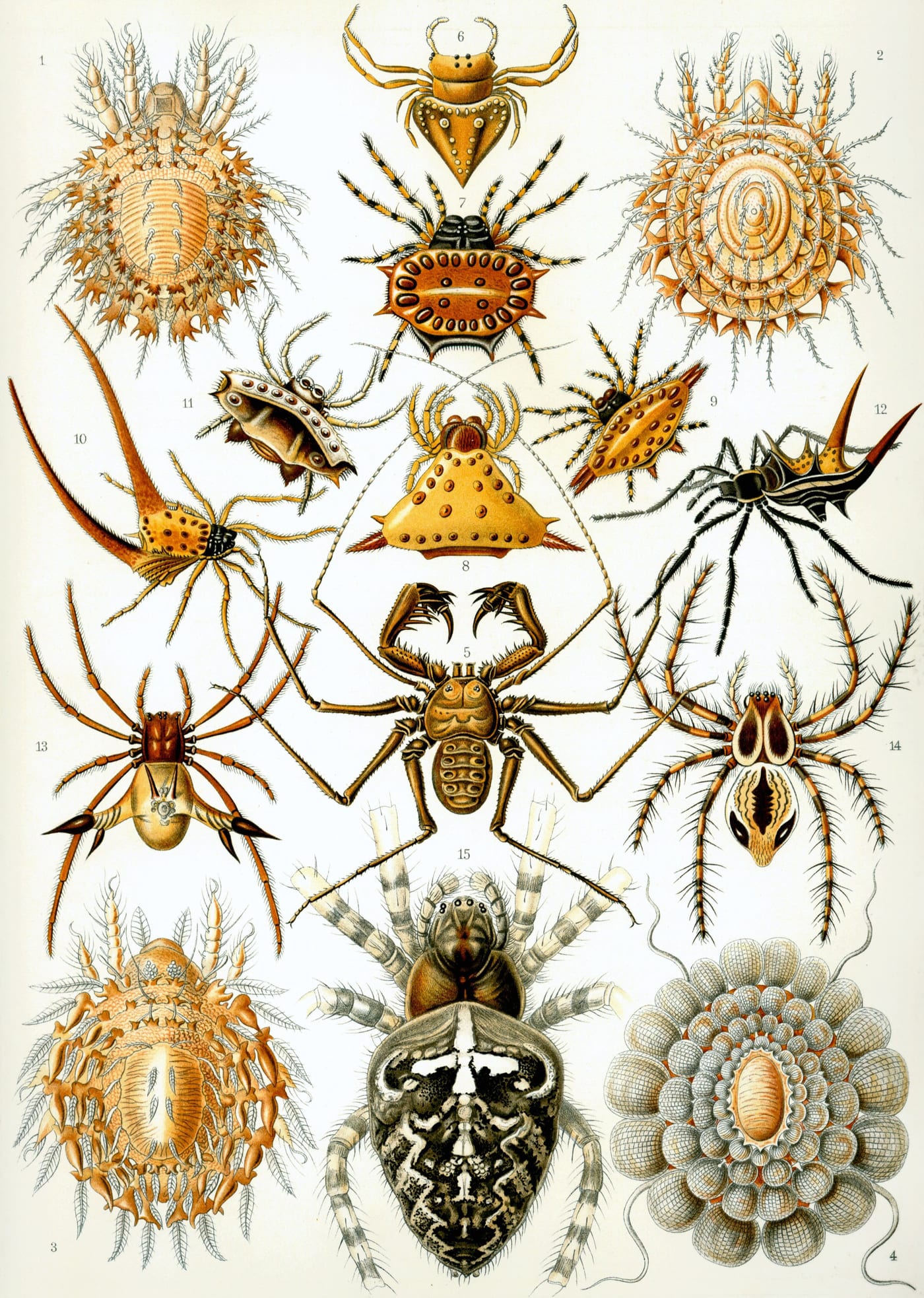
In Jung's analytical psychology, spider-dreams typically represent the weaver-archetype and self-constructed patterns. Ovid's Arachne (Metamorphoses 6.1–145) grounds Western literary spider-dream imagery. Japanese jorōgumo (Toriyama Sekien 1779) produces more ominous imagery. The full Anansi / Arachne / Grandmother Spider / jorōgumo traditions are covered in the spider spirit animal entry.
Spider dreams are more consistent than snake dreams. Most Western traditions land on the same cluster: weaving, construction, entrapment, the feminine creative force. That’s the symbolic layer. There’s also a biological layer: 3-6% of people have clinically significant arachnophobia, and for them spider dreams are anxiety dreams first and symbolic content second. Both layers are real. They coexist in the same dream and they need to be sorted out separately.
Jung’s weaver-archetype
C.G. Jung’s analytical psychology treats spider dreams as typically activating the weaver-archetype, the self-constructing creative force that builds the web of one’s own situation. The spider’s web as a self-produced structure carries strong symbolic resonance: you are living in a web you have made. In some dream contexts this is neutral or positive (the creative intellect at work); in others it represents entrapment in patterns the dreamer has constructed for themselves.
The spider-as-mother carries darker material in Jungian analysis. The “terrible mother” complex (the devouring, all-enveloping maternal force) often appears as a spider in the dreams of patients working through early maternal relational material. The female spider’s size advantage over the male, and the black widow’s practice of consuming the male after mating, loaded this imagery before the symbolic tradition even reached it.
Arachne
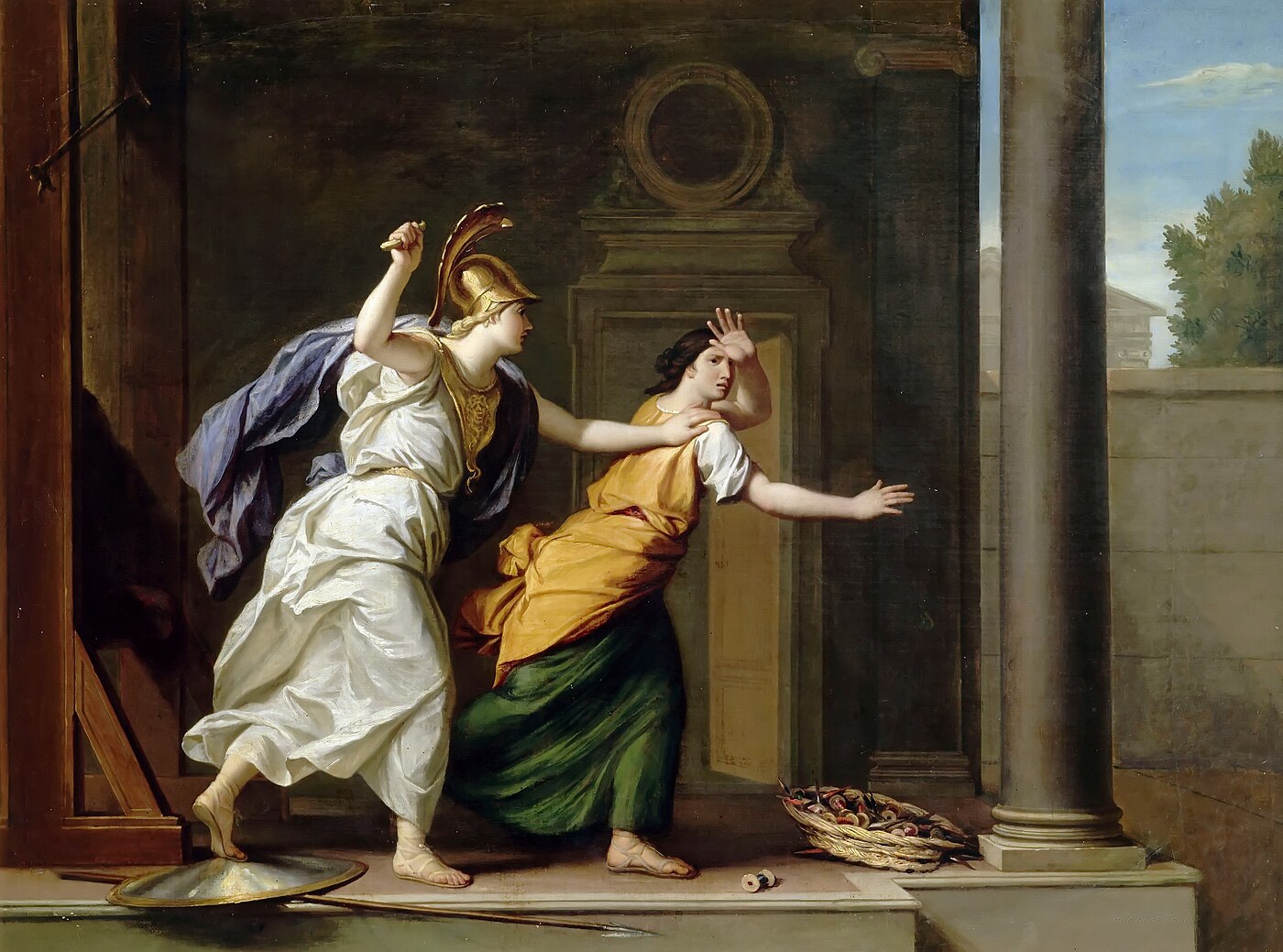
Ovid’s Metamorphoses 6.1–145 is the canonical Western spider-origin narrative. Arachne, the Lydian weaver, challenges Athena to a weaving contest. Her work is technically flawless, she weaves a tapestry depicting the gods’ love-affairs with perfect craft, and Athena cannot fault it. Athena tears the tapestry in rage. Arachne, humiliated, attempts suicide. Athena transforms her into a spider, condemned to weave forever.
The Arachne myth establishes the spider as a figure of creative excellence used against itself, the weaver too good for her own safety, the artist whose mastery becomes the instrument of her punishment. Spider dreams in this frame activate something about the dreamer’s own creative excellence and its relationship to authority.
The Japanese jorōgumo
Toriyama Sekien’s 1779 yōkai bestiary, the Gazu Hyakki Yagyō, catalogs the jorōgumo, a spider-woman who disguises herself as a beautiful woman to lure men to their deaths. She is one of the more consistently dangerous figures in the yōkai tradition. Michael Dylan Foster’s The Book of Yokai (UC Press, 2015) provides the scholarly treatment. The jorōgumo activates the feminine-deception-through-beauty layer of spider imagery that runs alongside the Arachne-weaver tradition without being reducible to it.
Arachnotophobia and dream-science
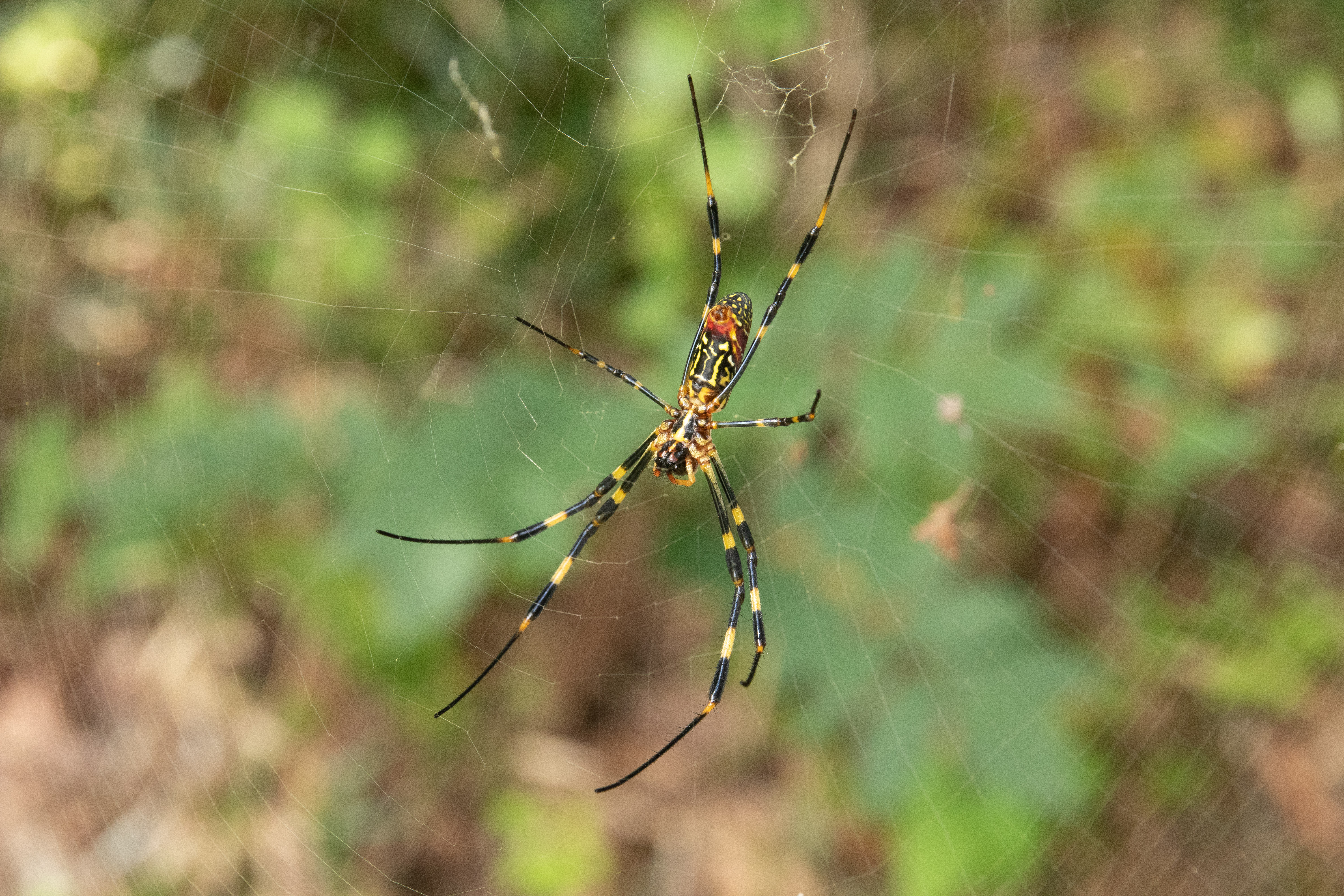
About 3–6% of the human population has clinically significant arachnophobia, the specific phobia of spiders. For this population, spider dreams are anxiety dreams first and symbolic material second. Modern dream-research (Hobson, Barrett and McNamara) treats these as consistent with how the brain processes waking anxiety states during REM sleep. The symbolic traditions are still real and useful as interpretive tools, but they don’t override the biological and psychological reality of phobic processing.
Frequently asked
- What does it mean to dream of a spider?
- Jung's weaver-archetype, Arachne (Ovid Met. 6), jorōgumo (Sekien 1779). See our spider spirit-animal page.
- Why is the spider read as a weaver-archetype?
- The spider produces the web continuously from inside its own body: the maker and the made-thing are the same. Across unconnected cultures (Greek Moirai, Norse Nornir, Hopi Spider Grandmother, West African Anansi), the spider becomes the figure that weaves time, fate, or story. Jung treats this convergence as evidence of the weaver-archetype operating across traditions: an image the unconscious generates when the dream-material concerns self-constructed patterns the dreamer cannot easily escape.
- How does Arachne's story shape Western dream-spiders?
- Ovid's Metamorphoses 6.1-145 tells of Arachne, the human weaver who challenged Athena to a weaving contest and lost. Athena transformed her into a spider, condemned to weave forever. The transformation runs in the human-to-spider direction. In the Japanese jorōgumo tradition, the spider becomes the woman; in the Ovidian, the woman becomes the spider. Both traditions agree on the spider as a figure of feminine power and dangerous transformation; they disagree on which form is original.
Sources
- PEER-REVIEWED C.G. Jung, The Archetypes and the Collective Unconscious . Princeton, 1959.
- PRIMARY Ovid, Metamorphoses 6.1–145 . Loeb.
- PEER-REVIEWED Michael Dylan Foster, The Book of Yokai . University of California Press, 2015.
- PRIMARY Robert Sutherland Rattray, Akan-Ashanti Folk-Tales . Oxford University Press, 1930.
- PRIMARY Toriyama Sekien, Gazu Hyakki Yagyō . Woodblock-printed, 1776.