Spirit Animal
Koala Spirit Animal
Koala spirit animal meaning: restfulness, gentleness and deep listening. Traced to Dharug and Gweagal Dreaming narratives, David Collins's 1798 An Account of the English Colony in New South Wales, and the contemporary bushfire-and-conservation context following the 2019–20 Australian fires.
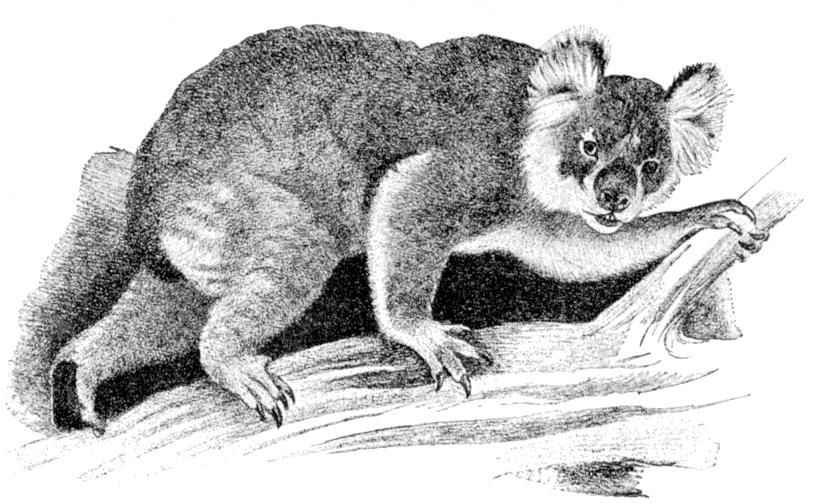
In modern pop-spiritual usage, the koala stands for restfulness, gentleness, and deep listening. That reading comes through Ted Andrews's Animal Speak (Llewellyn, 1993). The deepest pre-modern tradition is Aboriginal Australian. Dharug and Gweagal Dreaming narratives from the Sydney region reference the koala (Dharug gula, source of the English name) as a specific ancestor-figure; the word is documented in David Collins's 1798 An Account of the English Colony in New South Wales. Contemporary Aboriginal traditions (Dja Dja Wurrung, Quandamooka, and others) preserve koala Dreaming material. The 2019–20 Australian bushfires killed an estimated 61,000 koalas (WWF Australia 2020 report); the species was listed as Endangered on the East Coast in 2022.
In February 2022, the Australian government listed the koala as Endangered across Queensland, New South Wales, and the Australian Capital Territory. The 2019–20 Black Summer bushfires had killed an estimated 61,000 koalas, roughly a third of the east-coast population. Conservation status is now load-bearing for any honest spiritual reading of the koala.
The Dharug inheritance
The English word “koala” comes from the Dharug language of the Sydney Basin, from the word gula or related forms. David Collins, judge-advocate of the First Fleet, documented the animal in his 1798 Account of the English Colony in New South Wales, one of the earliest European written records, and the one that established the English name. The Dharug, Gweagal, Dja Dja Wurrung, Quandamooka, Kabi Kabi, and many other Australian language groups across the koala’s range preserve Dreaming narratives about the koala as an ancestor-figure. These are living traditions held by living communities; the Dharug Nation Aboriginal Corporation and other groups maintain the cultural material.
Tyson Yunkaporta’s Sand Talk: How Indigenous Thinking Can Save the World (Text Publishing, 2019) is an Aboriginal-authored treatment of ecological-cultural relationships in Australia that provides context for understanding how a specific animal’s Dreaming relationship connects to broader questions of land and belonging. The koala as a Dreaming ancestor is not primarily a “spirit guide” in the New Age sense; it is a specific genealogical and cosmological relationship between a family or group and a particular creature.
The science name and the “koala bear” problem
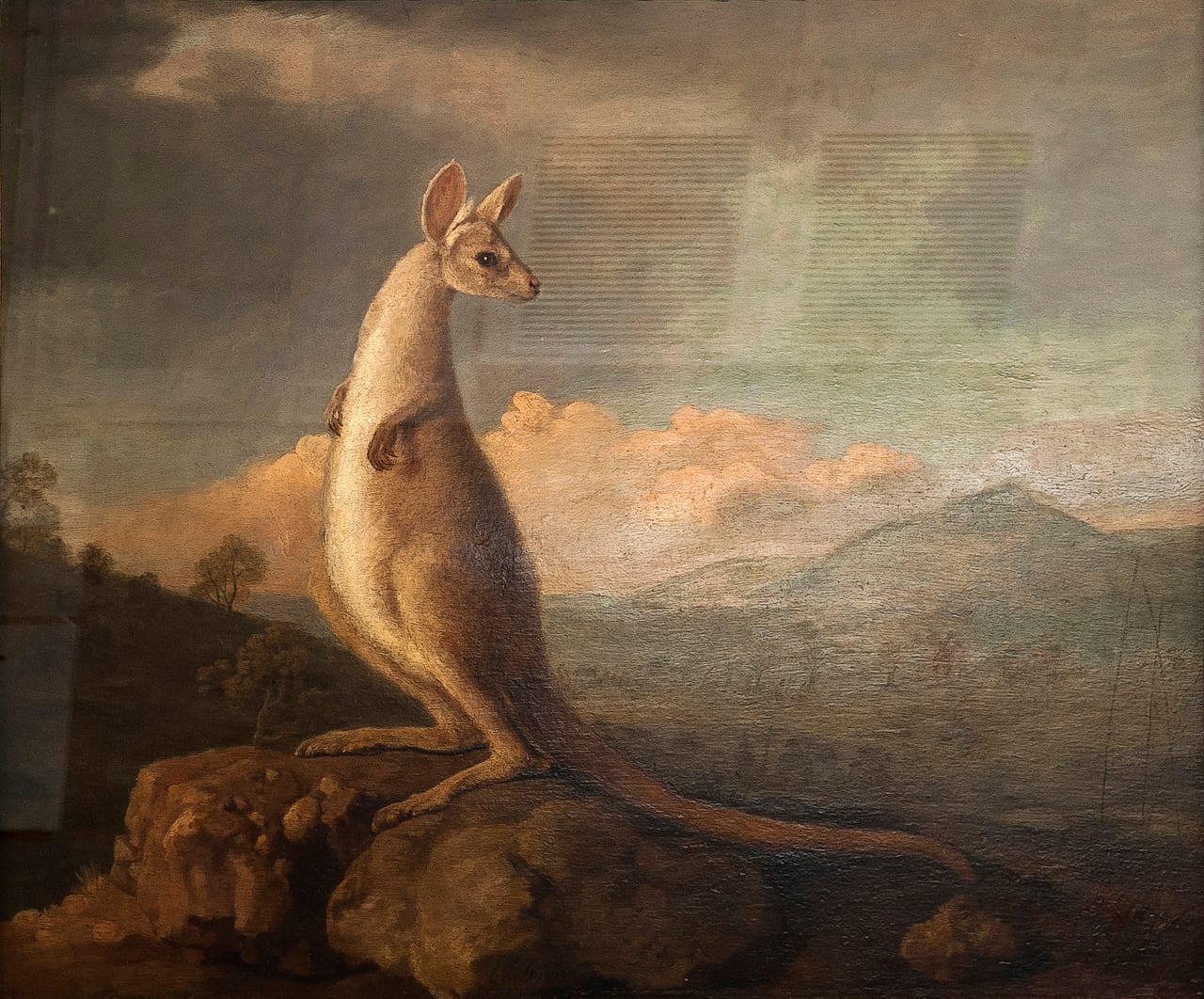
Henri de Blainville’s 1816 Linnean classification gave the koala its scientific name: Phascolarctos cinereus, “ash-colored pouched bear.” The “pouched bear” part of the name created the persistent “koala bear” misnomer that Europeans carried for over a century. The koala is not a bear. It is a marsupial in the family Phascolarctidae, more closely related to wombats than to bears, and its taxonomic distinctiveness (it is the sole living member of its family) is part of why its extinction would be irreversible in a way that the loss of a single population of a widespread bear species would not be.
2019–20 and after
The Black Summer bushfires, which burned from June 2019 through March 2020, killed or displaced over 3 billion animals across Australia according to the University of Sydney estimate, the single largest wildlife loss from any recorded fire event. Koalas were among the most affected. The EPBC Act 1999 Endangered listing in February 2022 formalized what had been accelerating for decades: habitat loss to logging and urban development, disease (chlamydia), drought stress, and finally the catastrophic fires.
Any koala spirit-animal reading that frames the animal purely as a symbol of rest and gentleness without acknowledging its present status is performing a comfort that the animal itself is not in a position to offer. That is not a statement about whether spiritual readings are valid. It is a statement about the difference between a reading that is honest and one that is convenient.
Andrews 1993
Andrews, in Animal Speak, reads restfulness, gentleness, and deep listening. These are accurate observations about the koala’s biology, the animal sleeps up to 18–22 hours a day on low-energy eucalyptus leaves, moves slowly, and is non-aggressive. The reading is honest to the observed animal. It does not engage Aboriginal Dreaming traditions or the contemporary conservation emergency.
Across traditions
Dharug / Gweagal (Sydney region)
The word 'koala' descends from Dharug gula (or regional variants), the language of the original inhabitants of the Sydney region. David Collins, judge-advocate of the First Fleet colony, documented the word in his 1798 An Account of the English Colony in New South Wales (London). Dharug and Gweagal Dreaming narratives reference the koala as a specific ancestor-figure; specific traditions vary by family group.
The Dharug Aboriginal Corporation and contemporary Dharug-descendant scholars continue to preserve and transmit the tradition. The broader Aboriginal-Australian koala tradition includes Dja Dja Wurrung (Victoria), Quandamooka (Queensland), and Kabi Kabi (South East Queensland) narratives; each language group has specific stories.
- PRIMARY David Collins, An Account of the English Colony in New South Wales (1798) . T. Cadell Jr. and W. Davies, London.
- PRIMARY R.H. Mathews, Aboriginal Dreaming narratives (NSW ethnographic records, 1890s–1910s) . Royal Society of NSW.
European contact (1798 naming)
Though the koala was probably seen by European settlers earlier, the 1798 Collins description is the first sustained English-language account. The Linnean species name Phascolarctos cinereus ('ash-colored pouched bear') was established by French naturalist Henri de Blainville in 1816. The animal's awkward placement between marsupial anatomy and superficial resemblance to a bear produced the misleading popular name 'koala bear,' which is still used but is inaccurate: koalas are marsupials, not bears.
- PRIMARY David Collins, 1798 account
- PEER-REVIEWED Henri de Blainville, Phascolarctos cinereus (1816) . Bulletin des Sciences de la Société Philomathique de Paris.
Contemporary conservation (2019–20 bushfires, 2022 Endangered listing)
The 2019–20 Australian bushfire season (the 'Black Summer') killed an estimated 61,000 koalas across the East Coast, per WWF Australia's 2020 emergency assessment. In February 2022 the Australian government listed the koala as Endangered in Queensland, New South Wales, and the Australian Capital Territory (Environment Protection and Biodiversity Conservation Act 1999 listing). Southern Victorian and South Australian koala populations remain not-listed but face habitat-loss pressures.
Any spiritual reading of the koala in 2026 sits alongside this conservation context. Contemporary Aboriginal custodial scholarship (including Tyson Yunkaporta's Sand Talk, 2019) treats the ecological and cultural loss together; the two are inseparable for the people whose Dreaming the animal is.
- REFERENCE WWF Australia, Bushfires 2019–20 Emergency Response report (2020)
- REFERENCE Australian EPBC Act 1999, 2022 koala listing (Endangered, QLD/NSW/ACT)
- PRIMARY Tyson Yunkaporta, Sand Talk: How Indigenous Thinking Can Save the World . HarperOne, 2019.
Ted Andrews (1993)
Andrews's 1993 koala is the restfulness-gentleness-deep-listening figure drawn generically from the animal's observable low-activity eucalyptus-feeding biology. The Dharug etymology and Aboriginal Dreaming traditions are gestured at without specific attribution. The 2019–20 bushfire-conservation context is, obviously, absent from a 1993 text.
- REFERENCE Ted Andrews, Animal Speak . Llewellyn, September 1993.
Working with the Koala
If you want a regular practice rather than a one-time read, an oracle deck is the standard tool: you draw a card and sit with whatever animal comes up. Our ranked guide to spirit animal oracle decks compares the field.
Frequently asked
- What does a koala symbolize spiritually?
- In modern pop usage, restfulness, gentleness, and deep listening. The deepest pre-modern tradition is Aboriginal Australian, specifically Dharug and Gweagal Dreaming narratives from the Sydney region. The English name descends from Dharug gula, documented in David Collins's 1798 account. Contemporary traditions include Dja Dja Wurrung, Quandamooka, and Kabi Kabi. The 2019–20 bushfires killed an estimated 61,000 koalas, and the species was listed as Endangered on the East Coast in 2022.
- Is the koala really endangered?
- Yes. In February 2022 the Australian government listed the koala as Endangered in Queensland, New South Wales, and the Australian Capital Territory under the Environment Protection and Biodiversity Conservation Act 1999. The 2019–20 'Black Summer' bushfires killed an estimated 61,000 koalas (WWF Australia 2020 emergency report). Southern Victorian and South Australian populations are not-listed but face habitat-loss pressures. Spiritual readings of the koala in 2026 sit alongside this conservation context.
- Why is the koala sometimes called a 'koala bear'?
- Because of superficial resemblance to a bear (furry, rotund body plan) plus the Linnean species name Phascolarctos cinereus ('ash-colored pouched bear') established by Henri de Blainville in 1816. The name 'koala bear' is inaccurate: koalas are marsupials (order Diprotodontia), not bears (order Carnivora, family Ursidae). The two groups are separated by roughly 160 million years of evolutionary divergence.
Sources
- PRIMARY David Collins, An Account of the English Colony in New South Wales (1798)
- PEER-REVIEWED Henri de Blainville, Phascolarctos cinereus (1816)
- REFERENCE WWF Australia, Bushfires 2019–20 Emergency Response
- REFERENCE Australian EPBC Act 1999 koala listing (2022)
- PRIMARY Tyson Yunkaporta, Sand Talk . HarperOne, 2019.
- REFERENCE Ted Andrews, Animal Speak . Llewellyn, September 1993.