Spirit Animal
Owl Spirit Animal
Owl spirit animal meaning: wisdom, intuition and insight. Traced from the modern wisdom-and-intuition reading back through Ted Andrews's Animal Speak to Athena's Little Owl on the Athenian tetradrachm, the Roman strix, Lakshmi's vahana uluka, and Japanese fukurō folklore.
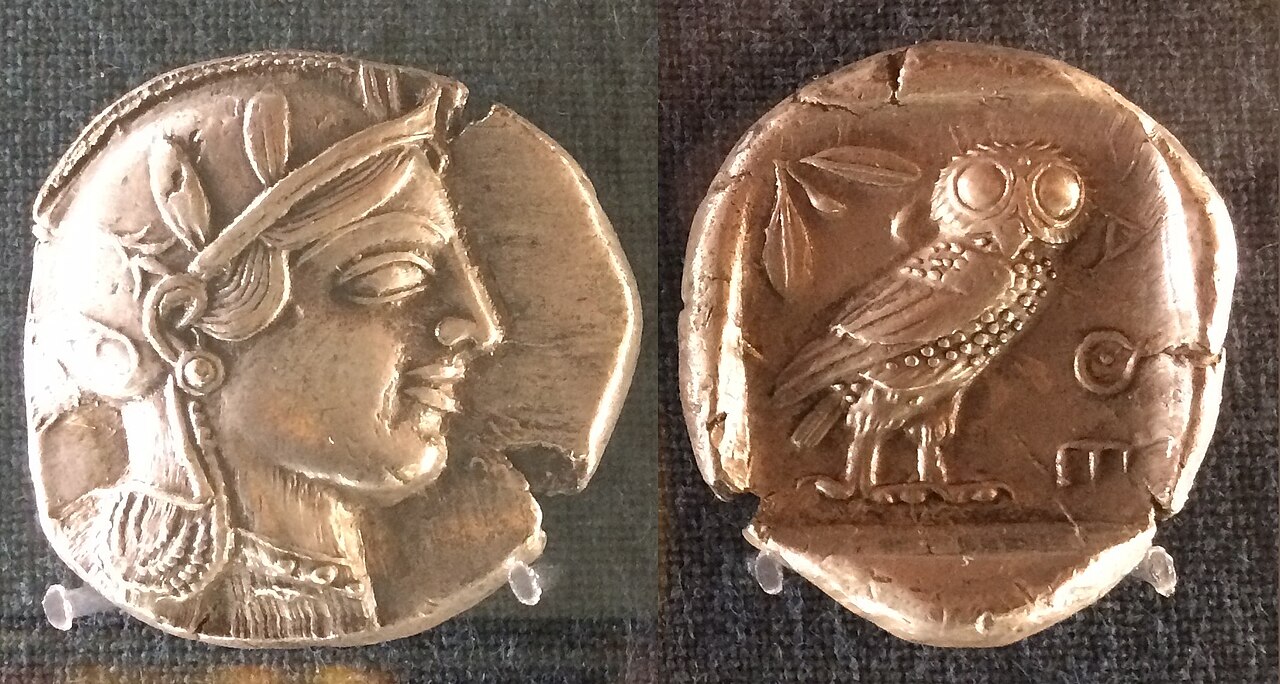
In modern American "spirit animal" usage, the owl most often stands for wisdom, intuition, and the ability to see what others miss, especially at night. That reading descends most directly from Ted Andrews's Animal Speak (Llewellyn, 1993). Older traditions split in interesting ways. For the Greeks the Little Owl was Athena's bird, stamped on every Athenian tetradrachm for two centuries. For the Romans the strix was a night-bird whose cry was a death omen, per Pliny's Natural History 11.93. In the Lakshmi tradition the owl (uluka) is her vahana, associated with wealth that can make you foolish if you're not careful. In Japan the fukurō is a lucky household animal, pun and all.
There’s an Athenian silver coin in the British Museum’s Greek and Roman collection, minted around 450 BCE, that has Athena’s face on one side and a small round owl on the reverse. Above the owl, the letters ΑΘΕ. Athens. That coin and its near-identical siblings circulated for two centuries across the Mediterranean world. If you were a merchant in Egypt or Persia or Sicily in the 5th century BCE, you had owl-coins in your purse. That bird is the one most people, without knowing it, carry in their heads when they think “owl means wisdom.”
And they should know they’re carrying it, because right next to that Greek owl, in the same Mediterranean, a Roman poet was writing the opposite.
The coin, the strix, and the modern mashup
Pliny the Elder’s Natural History (c. 77 CE) devotes most of a chapter to the strix, a night-bird whose cry is reliably a death-omen. Ovid’s Fasti goes further: striges are vampiric, drinking the blood of infants in the cradle. Virgil puts an owl’s lament right before Dido’s suicide in the Aeneid. Two cultures, one sea between them, opposite readings. The Greeks made the owl a coinage icon for wisdom. The Romans made it a horror-movie extra.
The modern “owl spirit animal” reading, the one you’ll find at the top of a Google search for “owl meaning,” picks the Greek side and mostly ignores the Roman. That selection isn’t accidental. Ted Andrews, Animal Speak, Llewellyn, 1993, cleaned up the inheritance for an Anglophone New Age audience that preferred wisdom to death-omen. The strix got left at the edge.
Why the Hindu owl is more interesting than anyone gives it credit for
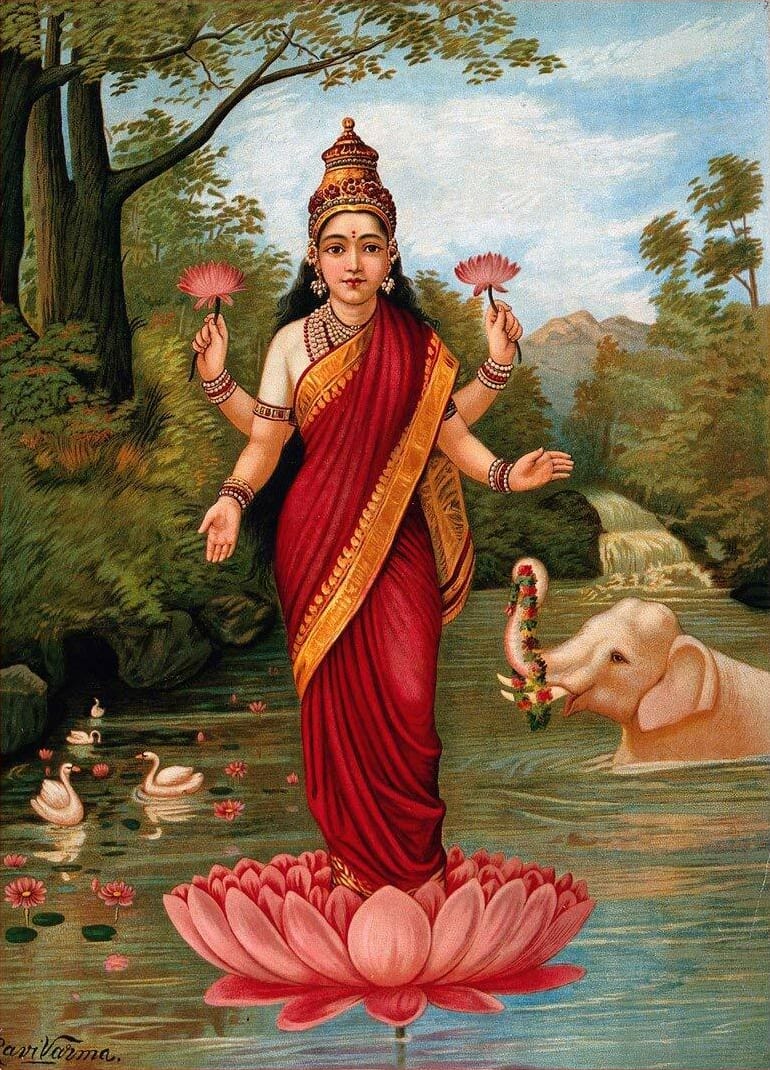
The Lakshmi-uluka pairing is the one most Western articles miss entirely, and it’s the one that actually gives the spirit-animal reading some teeth. Lakshmi is the goddess of wealth. Her mount is an owl. The subtext of that pairing, from the Atharva Veda through the Puranic layer, is roughly: wealth without clear sight makes fools of people. The owl in daylight is blind. Wealth in the hands of someone without wisdom is the same.
That reading is worth more, honestly, than “the owl symbolizes intuition.” It has texture. It has an argument. It comes with a goddess attached.
What these traditions don’t resolve
Traditions disagree about the owl so fundamentally that any universal reading is a lie of averaging. The tradition sections above show which reading came from where, so a reader can decide which one to stand inside.
Across traditions
Greek (Athena, the Athenian tetradrachm)
The Little Owl (Athene noctua, taxonomically named for her) perched on Athena's shoulder in sculpture, stamped the reverse of the Athenian tetradrachm coin for roughly two centuries from c. 510 BCE, and turned up in Aristophanes's The Birds as a stock shorthand for Athens itself. The phrase "bringing owls to Athens", in the sense of a pointless act, is ancient.
Homer calls Athena glaukōpis, usually translated "bright-eyed" or "owl-eyed," at Iliad 1.206 and dozens of other passages. The association with wisdom is real, and it's Greek, but it's bound specifically to the goddess rather than floating free as a portable "owl means wisdom" concept.
- PRIMARY Homer, Iliad 1.206 (glaukōpis Athene) . Murray trans., Loeb Classical Library.
- PRIMARY Aristophanes, The Birds 301 . Henderson trans., Loeb Classical Library.
- MUSEUM British Museum, Athenian tetradrachm (c. 480–420 BCE)
Roman (the strix, a death-omen)
The Roman owl is not Athena's owl. Pliny, Natural History 11.93, describes the strix as an ill-omened bird whose cry predicts disaster; Ovid, Fasti 6.131–140, has striges as vampiric bird-witches that drink the blood of infants. Virgil, Aeneid 4.462, places an owl's lament in the scene just before Dido's suicide. Livy catalogs owl-portents in his plague years.
The inheritance runs straight into medieval and early-modern European folklore: the owl as harbinger, never the owl as the wise friend. That strand survives in British village lore (an owl hooting near a house predicts a death) well into the 19th century.
- PRIMARY Pliny the Elder, Natural History 11.93 . Rackham trans., Loeb Classical Library.
- PRIMARY Ovid, Fasti 6.131–140 . Frazer trans., Loeb Classical Library.
- PRIMARY Virgil, Aeneid 4.462 . Fairclough trans., Loeb Classical Library.
Hindu (Lakshmi's uluka)
Lakshmi's vahana (mount) in the majority of traditional iconography is the owl, uluka. The pairing reads as a warning as much as a blessing: wealth (Lakshmi) without wisdom leads to blindness, the kind of "owl in daylight" state described in the Atharva Veda 6.29, where the owl is a bird of ill portent unless properly placated.
Devdutt Pattanaik's Lakshmi: The Goddess of Wealth and Fortune (Vakils, 2003) traces the uluka iconography through temple sculpture and calendar art. The older textual layer in the Atharva Veda treats the owl-cry as inauspicious; the Puranic layer recasts her as Lakshmi's mount, softening but not erasing the ambivalence.
- PRIMARY Atharva Veda 6.29 . Whitney trans., Harvard Oriental Series, 1905.
- PEER-REVIEWED Devdutt Pattanaik, Lakshmi: The Goddess of Wealth and Fortune . Vakils, 2003.
Japanese (fukurō, lucky)
The Japanese word for owl, 福郎 / 梟 (fukurō), is a homophone pun on 不苦労 ("without hardship") and 福来郎 ("bringing luck"). The charm-use is ubiquitous in modern Japan: owl statuettes in shops, owl-themed omamori amulets, owl cafés. Lafcadio Hearn's In Ghostly Japan (1899) records older folkloric layers including the darker owl-ghost tradition; Yanagita Kunio's 20th-century folklore collection Nihon no Mukashibanashi catalogs the regional variants.
The lucky-owl tradition is alive and commercial, not ancient in the same way the Greek or Vedic layers are.
- PRIMARY Lafcadio Hearn, In Ghostly Japan . Little, Brown & Co., 1899.
- PRIMARY Yanagita Kunio, Nihon no Mukashibanashi (The Yanagita Kunio Guide to Japanese Folk Tales) . Indiana University Press trans., 1986.
Ted Andrews (1993, the pop-concept's source)
Andrews's 1993 owl is Athena's owl cleaned up for a trade paperback audience: wisdom, insight, the ability to see truth at night when everyone else is blind. He lifts the Greek strand cleanly and sets the Roman strix aside. Every popular spirit-animal site that writes about the owl as a wisdom-and-intuition symbol is downstream of that selection.
- REFERENCE Ted Andrews, Animal Speak . Llewellyn, September 1993.
Working with the Owl
If you want a regular practice rather than a one-time read, an oracle deck is the standard tool: you draw a card and sit with whatever animal comes up. Our ranked guide to spirit animal oracle decks compares the field.
Frequently asked
- What does an owl symbolize spiritually?
- In modern pop usage, wisdom, intuition, and the ability to see what others miss, the reading set by Ted Andrews's Animal Speak (1993). Older traditions split. The Greek owl is Athena's, stamped on Athens's coinage. The Roman strix is a death-omen (Pliny, Ovid). The Hindu uluka is Lakshmi's mount, ambivalent about wealth. The Japanese fukurō is a lucky charm, via a Japanese-language pun.
- Why was the owl associated with Athena?
- The Little Owl (Athene noctua, named taxonomically for the goddess) was Athena's attribute bird from at least the 6th century BCE. It perches on her shoulder in sculpture, sits on the reverse of the Athenian tetradrachm for roughly two centuries beginning c. 510 BCE, and Homer calls Athena glaukōpis ('owl-eyed' or 'bright-eyed') repeatedly in the Iliad.
- Is seeing an owl a bad omen?
- It depends which tradition you stand inside. The Roman strix was bad news, per Pliny's Natural History 11.93 and Ovid's Fasti, and that reading carried into much European folklore through the 19th century. The Hindu Atharva Veda 6.29 similarly treats the owl-cry as inauspicious. The Greek Athena tradition and modern Japanese fukurō practice go the other way. Pick your century and your country before you decide.
- What is Lakshmi's owl supposed to mean?
- Lakshmi's uluka (owl) functions as both mount and warning. Wealth without wisdom leads to the kind of 'owl in daylight' blindness the Atharva Veda 6.29 describes. Temple iconography pairs her with the owl not as a straight blessing but as a reminder that fortune requires clear sight.
Sources
- PRIMARY Homer, Iliad 1.206 . Murray trans., Loeb Classical Library.
- PRIMARY Aristophanes, The Birds 301 . Henderson trans., Loeb Classical Library.
- PRIMARY Pliny the Elder, Natural History 11.93 . Rackham trans., Loeb Classical Library.
- PRIMARY Ovid, Fasti 6.131–140 . Frazer trans., Loeb Classical Library.
- PRIMARY Virgil, Aeneid 4.462 . Fairclough trans., Loeb Classical Library.
- PRIMARY Atharva Veda 6.29 . Whitney trans., Harvard Oriental Series, 1905.
- PRIMARY Lafcadio Hearn, In Ghostly Japan . Little, Brown & Co., 1899.
- PRIMARY Yanagita Kunio, Nihon no Mukashibanashi . Indiana University Press trans., 1986.
- PEER-REVIEWED Devdutt Pattanaik, Lakshmi: The Goddess of Wealth and Fortune . Vakils, 2003.
- MUSEUM British Museum, Athenian tetradrachm
- REFERENCE Ted Andrews, Animal Speak . Llewellyn, September 1993.