Spirit Animal
Raven Spirit Animal
Raven spirit animal meaning: transformation, prophecy and intelligence. From the modern pop-concept back through Odin's Huginn and Muninn, the Morrígan in the Táin, the Haida and Tlingit Raven cycles, and Ted Andrews's 1993 synthesis. Named-nation specific.
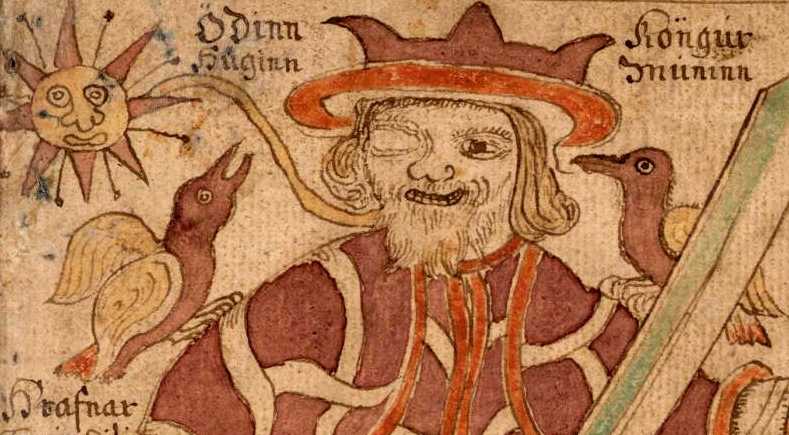
In modern American 'spirit animal' usage, the raven most often signals transformation, prophecy, and the kind of intelligence that crosses into the uncanny. That reading draws from three older traditions: Odin's ravens Huginn and Muninn in the Old Norse Prose Edda, the Irish war-goddess Morrígan who appears as a corbid in the Ulster Cycle, and the Haida and Tlingit Raven who, in specific origin cycles, brings light to the world. The synthesis is most directly Ted Andrews's Animal Speak (Llewellyn, 1993).
The raven is one of the animals where the pop-culture spirit-animal concept and the older traditions line up reasonably well, in the sense that every older tradition that talks about the raven talks about its intelligence. That’s where the alignment stops. What each tradition says past “this bird is clever” is radically different, and flattening those differences is where popular sites lose the thread.
Three old sources, one 1993 synthesis
Odin’s ravens are scouts. They are tools of rulership and warcraft. The Irish Morrígan-as-raven is a war-goddess who takes the corbid shape to hover over battlefields and announce fate. The Haida and Tlingit Raven is a trickster-creator who steals the sun and hands it to the world. These three are not the same raven.
Ted Andrews, in Animal Speak (Llewellyn, 1993), collected them together and produced a portable symbol: the raven as shapeshifter, messenger, omen of transformation, keeper of uncanny intelligence. That is the version most readers encounter in 2026. Naming the sources behind it lets the reader decide which strand they are actually drawn to.

Across traditions
Old Norse
Odin has two ravens. Their names are Huginn ('thought') and Muninn ('memory'), and they fly out over Midgard each dawn to gather news. Grímnismál 20 in the Poetic Edda names them; Gylfaginning 38 in the Prose Edda explains that Odin fears Huginn may not return more than he fears the loss of Muninn. That line is the load-bearing one: the ravens are prosthetic memory and thought, not pets.
This is where the 'raven as messenger' strand of the modern pop-concept comes from. In Norse material the raven is Odin's intelligence service.
- EDITION Poetic Edda (Grímnismál 20) . Larrington trans., Oxford World's Classics, 2014.
- EDITION Snorri Sturluson, Prose Edda (Gylfaginning 38) . Faulkes trans., Everyman, 1995.
Celtic (Irish)
The Morrígan is an Irish war-goddess who appears, among other forms, as a crow or raven (badb) on battlefields. In the Táin Bó Cúailnge (the Ulster Cycle's central narrative), she intervenes in Cú Chulainn's battles directly. When he refuses her advances, she attacks him in three forms; one is a crow. Her standing on his shoulder after his death is the canonical Irish image of battlefield prophecy.
Miranda Green's Animals in Celtic Life and Myth (1992) is the modern scholarly anchor.
- PRIMARY Táin Bó Cúailnge . Kinsella trans., Oxford, 1969 / 2002.
- PEER-REVIEWED Miranda Green, Animals in Celtic Life and Myth . Routledge, 1992.
Haida and Tlingit (Pacific Northwest)
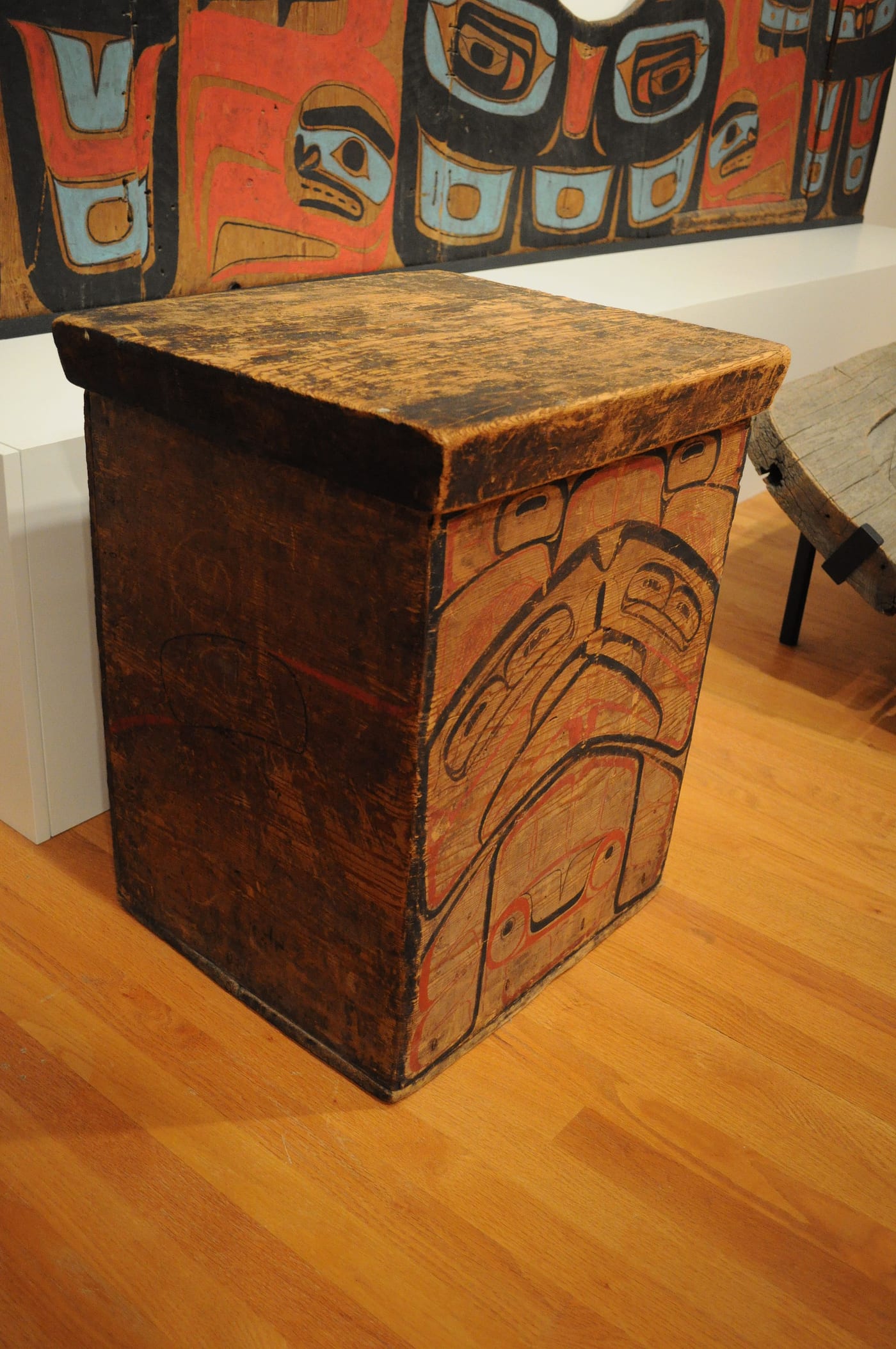
The Raven cycles of the Haida and Tlingit nations are not one story. In multiple recorded versions, Raven is a trickster-transformer who steals the sun, moon, and stars from a keeper and releases them into the sky. The primary English-language compilations include John R. Swanton's Haida Texts and Myths (Smithsonian, 1905) and Bill Reid and Robert Bringhurst's The Raven Steals the Light (1984), the latter authored by a Haida artist with a Haida-language consultant.
This is emphatically not 'Native American raven meaning' in a pan-tribal sense. Pacific Northwest Raven is a specific figure in specific nations' cycles, with its own name (Xhuuya in Haida, Yéil in Tlingit) and its own theological weight. Citing Pacific Northwest Raven for readers who are, say, Anishinaabe or Lakota is a category error.
- ARCHIVE John R. Swanton, Haida Texts and Myths: Skidegate Dialect . Bureau of American Ethnology Bulletin 29, Smithsonian, 1905.
- REFERENCE Bill Reid and Robert Bringhurst, The Raven Steals the Light . Douglas & McIntyre, 1984.
- ARCHIVE Sealaska Heritage Institute . Tlingit, Haida, and Tsimshian-run cultural institution.
Ted Andrews (1993)
The composite raven (transformation, prophecy, intelligence, shapeshifter) is most directly the Andrews 1993 synthesis. Andrews pulled Huginn and Muninn, the Morrígan, and the Haida/Tlingit Raven together into one symbolic figure. Every popular spirit-animal site that writes about the raven as 'transformation and magic' is paraphrasing that synthesis.
- REFERENCE Ted Andrews, Animal Speak . Llewellyn, September 1993.
Working with the Raven
If you want a regular practice rather than a one-time read, an oracle deck is the standard tool: you draw a card and sit with whatever animal comes up. Our ranked guide to spirit animal oracle decks compares the field.
Frequently asked
- What do Odin's ravens mean?
- Huginn ('thought') and Muninn ('memory') are Odin's daily scouts. They fly over Midgard at dawn and report back. Grímnismál 20 in the Poetic Edda names them; Gylfaginning 38 in the Prose Edda says Odin fears losing Muninn more than Huginn. They are Odin's extended mind.
- Is the raven a Native American spirit animal?
- There is no pan-tribal 'Native American raven' meaning. In Haida and Tlingit tradition specifically, Raven is a trickster-transformer who steals light and gives it to the world. That is a specific cycle from specific Pacific Northwest nations (Xhuuya in Haida, Yéil in Tlingit), with named recorded sources. Do not extend it to other nations.
- Does the raven mean death?
- In Celtic material, yes, the Morrígan appears as a crow or raven over battlefields in the Táin Bó Cúailnge. In Norse material, less directly: the raven is Odin's scout, not Odin's mortician. The pop-culture 'raven as omen of death' reading is strongest in European folk horror traditions and in Edgar Allan Poe's 1845 poem 'The Raven,' which is the single most influential 19th-century source for the association.
- What's the difference between a raven and a crow spirit animal?
- In named primary sources the two birds often overlap. The Old Norse Hrafn is specifically a raven. The Celtic badb is more flexible and can be either. Pacific Northwest Raven is unambiguously the common raven (Corvus corax). The pop-concept tends to treat them as interchangeable; older sources do not.
Sources
- EDITION Poetic Edda . Larrington trans., Oxford, 2014.
- EDITION Snorri Sturluson, Prose Edda . Faulkes trans., Everyman, 1995.
- PRIMARY Táin Bó Cúailnge . Kinsella trans., Oxford, 1969 / 2002.
- PEER-REVIEWED Miranda Green, Animals in Celtic Life and Myth . Routledge, 1992.
- ARCHIVE John R. Swanton, Haida Texts and Myths . Smithsonian, 1905.
- REFERENCE Bill Reid and Robert Bringhurst, The Raven Steals the Light . Douglas & McIntyre, 1984.
- ARCHIVE Sealaska Heritage Institute
- REFERENCE Ted Andrews, Animal Speak . Llewellyn, 1993.