Tattoo Meaning
Alligator Tattoo Meaning: Styles, Placements, and Cultural Sources
Alligator and crocodile tattoo meaning across Florida Seminole traditional imagery, Egyptian Sobek-inspired designs, and modern American traditional styles.
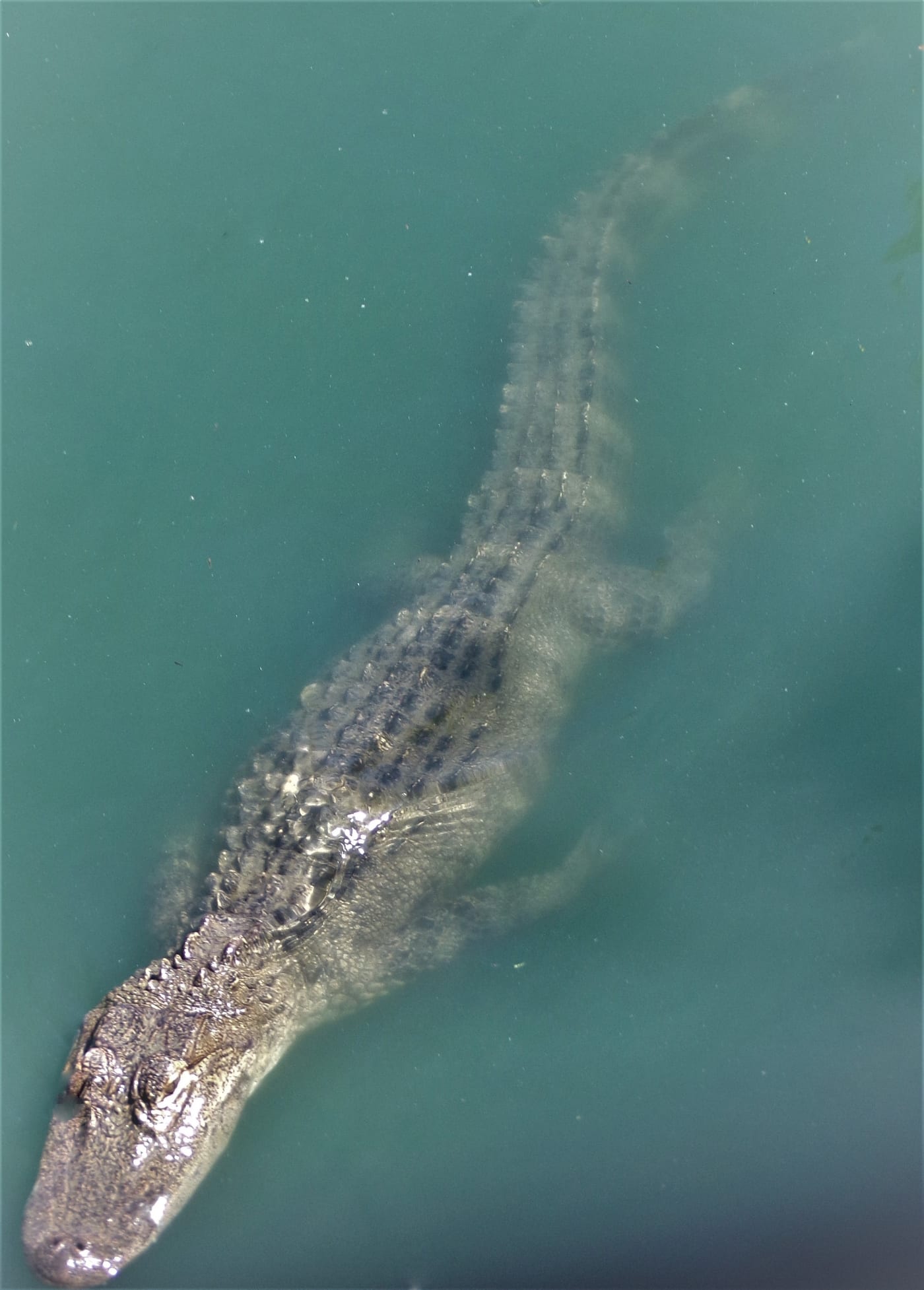
Alligator and crocodile tattoos most commonly mean primal power, ancient patience, and apex-predator calm. Egyptian-Sobek-inspired designs draw on the crocodile-god of the Faiyum (attested in the Pyramid Texts through Ptolemaic temples). Florida and Seminole-inspired designs have specific regional-cultural contexts. Modern American traditional-style alligator tattoos are often Gulf Coast / Everglades regional identity pieces.
The alligator tattoo draws on one of the oldest apex-predator templates in world art. The animal’s prehistoric lineage (crocodilians have been essentially unchanged for 240 million years) makes it a natural symbol for primal endurance, and the obvious biology (the stillness, the patience, the explosive strike) gives it a symbolic vocabulary that holds across cultures without needing myth to explain it.
American traditional style
The American traditional alligator tattoo is most common in the Gulf Coast states and Florida, where it functions as regional identity as much as personal symbol. Sailor Jerry-lineage flash sheets include the alligator alongside other Southern-American fauna. Bold outlines, solid green-black field, limited palette. The design emphasizes the eye ridge and the armored back. Forearm and calf are the traditional placements.
Egyptian Sobek-inspired designs
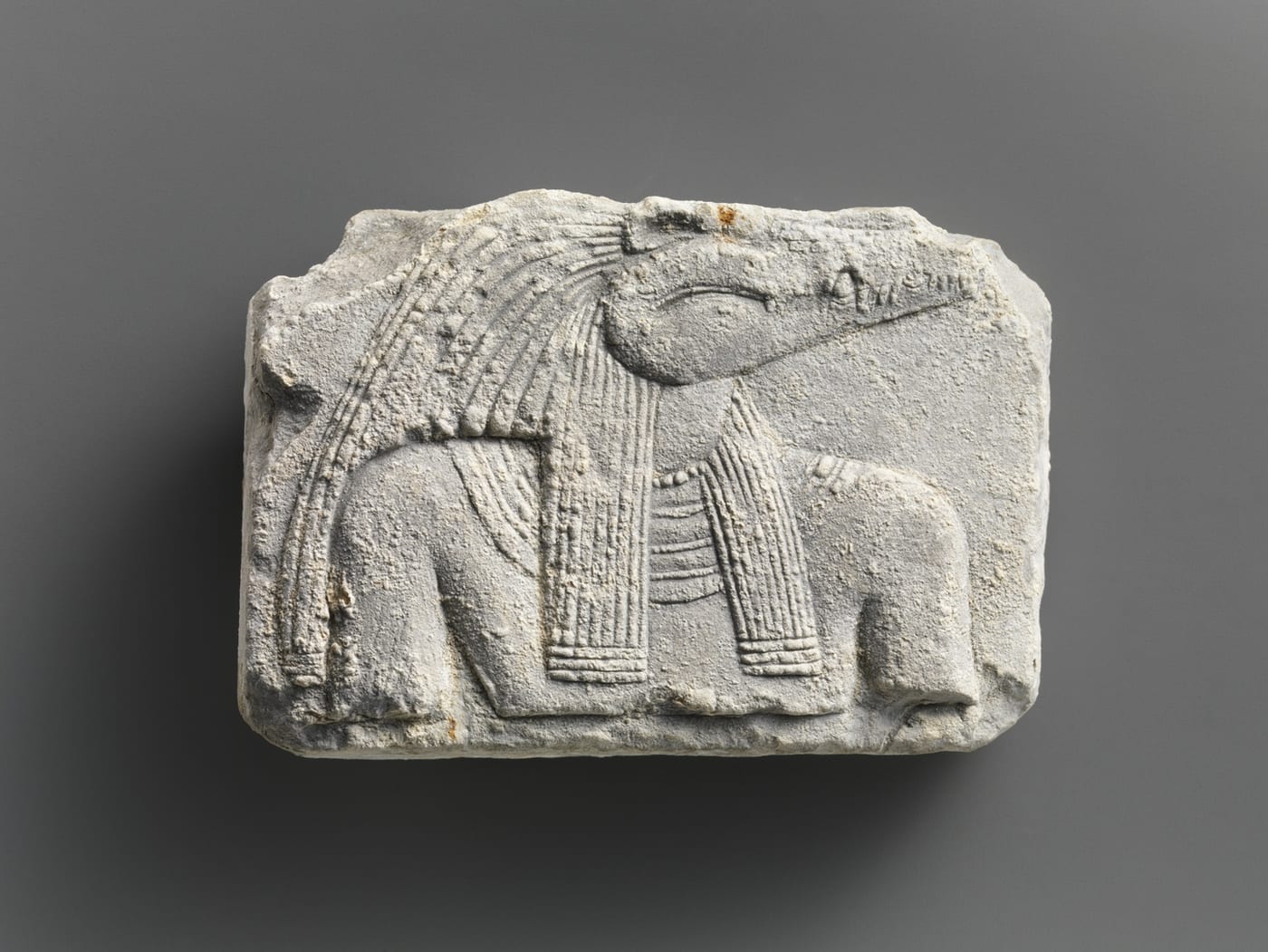
Sobek, the crocodile god of the Faiyum, is one of the oldest continuously-documented animal-deity relationships in the ancient world (attested from the Pyramid Texts (c. 2400 BCE) through the Ptolemaic temples at Kom Ombo and Crocodilopolis, roughly two and a half thousand years of practice. His iconography is precise: a man with a crocodile head, sometimes wearing the composite Amun crown. Salima Ikram’s Divine Creatures: Animal Mummies in Ancient Egypt (AUC Press, 2005) documents the cult’s scale) over ten thousand crocodile mummies recovered from the Faiyum alone.
Sobek-inspired tattoo designs typically place the crocodile-head on a human body or combine the head with Egyptian symbol sets (ankh, eye of Horus, Nile papyrus). Egyptian religion’s distance in time means Sobek-style designs are widely used without major cultural-sensitivity concerns; the cult has no living practitioners with protocol restrictions.
Seminole-specific designs
A different set of considerations applies to Florida-specific designs that engage Seminole alligator traditions. The alligator-clan tradition (i-fa-lo-wa) within the Seminole and Miccosukee kinship system is documented in Patricia Wickman’s The Tree That Bends (University of Alabama Press, 1999) and is a living cultural institution. William Bartram’s 1791 Travels is the canonical 18th-century naturalist record of Seminole alligator relationships, but the Ah-Tah-Thi-Ki Museum of the Seminole Tribe of Florida is the contemporary authoritative source for anything engaging Seminole cultural specificity.
Generic “Florida alligator” imagery that does not engage Seminole cultural attribution is a different matter, that is regional American identity, not Indigenous cultural borrowing.
Blackwork and realism
Blackwork alligator designs use the animal’s natural texture (the scute pattern of the armored back) to create graphic density that works well in high-contrast black. Realistic portrait-style alligator tattoos (usually the submerged-eye-ridge composition, or the full open-jawed gape) are among the more technically demanding reptile designs because the skin texture requires fine hatching to read correctly. Forearm and upper-arm placements allow the full body-length composition; calf placements typically show the head or a section of the back.
See the full spirit-animal meaning: Alligator Spirit Animal .
Frequently asked
- What does an alligator tattoo mean?
- Primal power, ancient patience, and apex-predator calm. Egyptian Sobek (Pyramid Texts through Ptolemaic cult), Mesoamerican Cipactli (Leyenda de los Soles), and Seminole alligator traditions (Bartram 1791, Wickman 1999) each add historical depth to the modern reading.
- What does an alligator tattoo mean in Mesoamerican-influenced design?
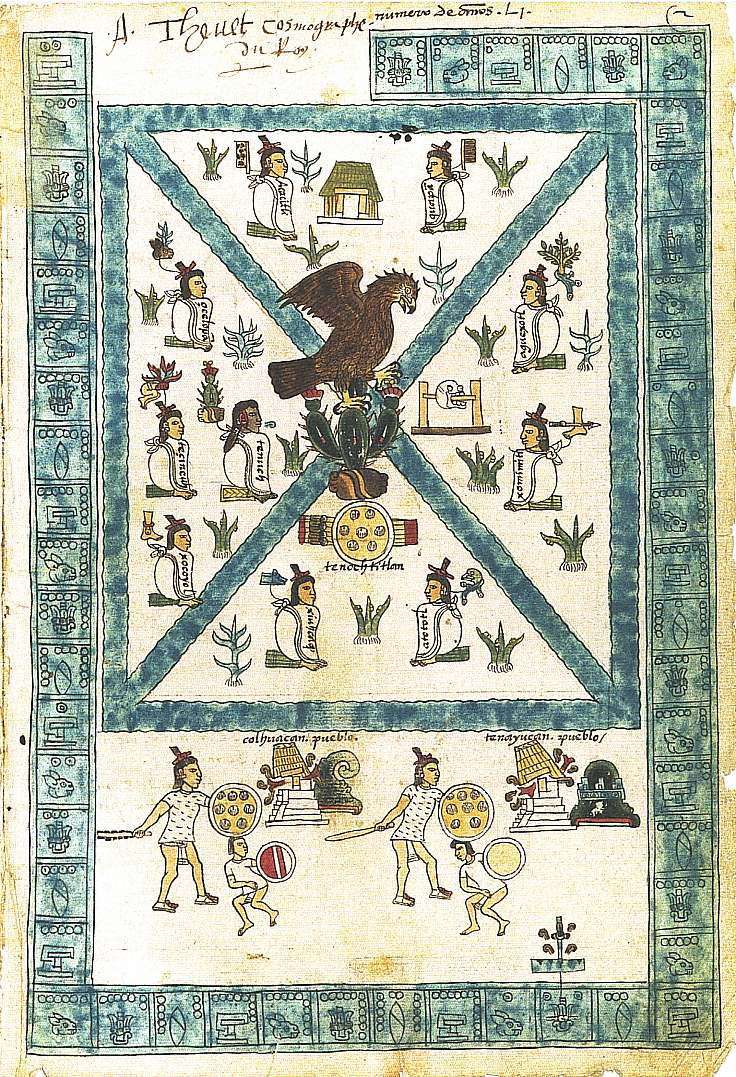
- In Aztec cosmology, Cipactli (a primordial earth-crocodilian whose dismembered body became the earth) is the closest ancient referent for alligator-or-crocodile imagery in the Americas. The Codex Borgia and Codex Borbonicus depict Cipactli as the first of the twenty day-signs. A modern alligator tattoo that draws on Mesoamerican design conventions inherits this primordial-substrate reading rather than the Florida wildlife reading common in Southern US neo-traditional work.
- Is an alligator tattoo the same as a crocodile tattoo?
- Visually similar, culturally different. American alligator imagery (Alligator mississippiensis) belongs to the Southeastern US tradition (bayou, swamp, Florida-state iconography) and entered American traditional tattooing through 19th-century sailor culture. Crocodile imagery (Crocodylus) belongs primarily to African and Asian traditions, including Egyptian Sobek imagery (Pinch, Handbook of Egyptian Mythology, 2002) and Australian Aboriginal saltwater-crocodile traditions. Asking a tattoo artist for "an alligator" vs "a crocodile" is asking for two different design lineages.
Sources
- PEER-REVIEWED Salima Ikram, Divine Creatures: Animal Mummies in Ancient Egypt . AUC Press, 2005.
- PEER-REVIEWED Patricia Wickman, The Tree That Bends . University of Alabama Press, 1999.
- PEER-REVIEWED Geraldine Pinch, Handbook of Egyptian Mythology . ABC-CLIO, 2002.
- PRIMARY Codex Borgia . Vatican Apostolic Library (Borg.mess.1), c. 15th–16th c.
- PRIMARY Don Ed Hardy, Tattooing the Invisible Man . Smart Art Press, 2000.