Tattoo Meaning
Bat Tattoo Meaning: Chinese Fú-Bat Good Fortune, Gothic Vampire-Bat, and American Traditional
Bat tattoo meaning across Chinese good-fortune fú iconography, Gothic and vampire-bat imagery, Halloween/horror styles, and American traditional.
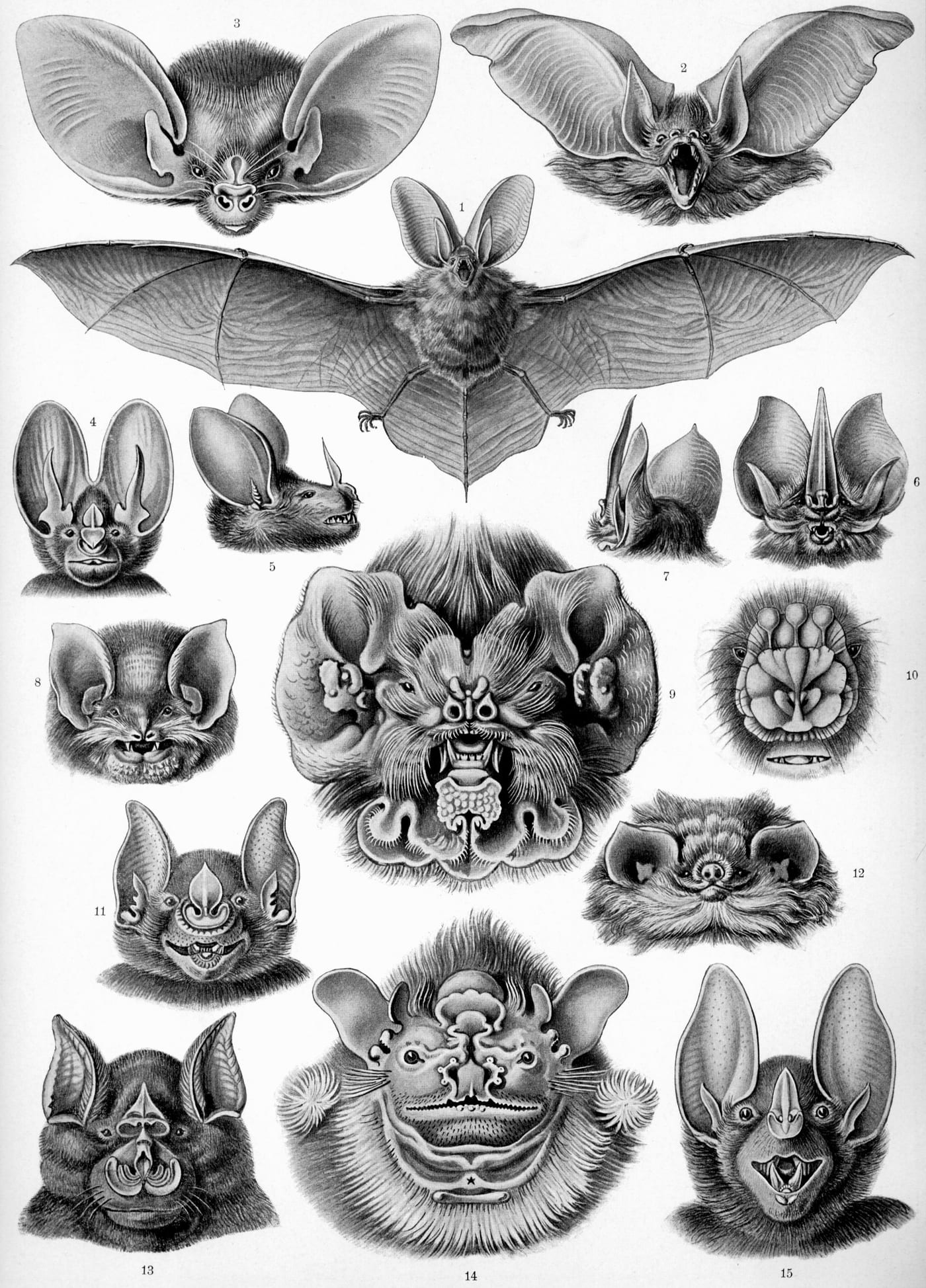
Bat tattoos split sharply by cultural register. Chinese-inspired fú-bat (蝠/福) tattoos read good-fortune, five bats represent the Five Blessings (Wǔfú), documented in Terese Tse Bartholomew's Hidden Meanings in Chinese Art. Western Gothic / vampire-bat tattoos read shadow-work, transformation, and Bram Stoker Dracula lineage. Halloween-horror style bats read seasonal-spooky.
The bat tattoo occupies one of the sharpest cultural-register divides in the tattoo world. The same image (a black bat with spread wings) means opposite things depending on whether you’re looking at it through a Chinese or a Western Gothic lens. Choosing the design deliberately means knowing which tradition you’re in.
Chinese fú-bat tradition
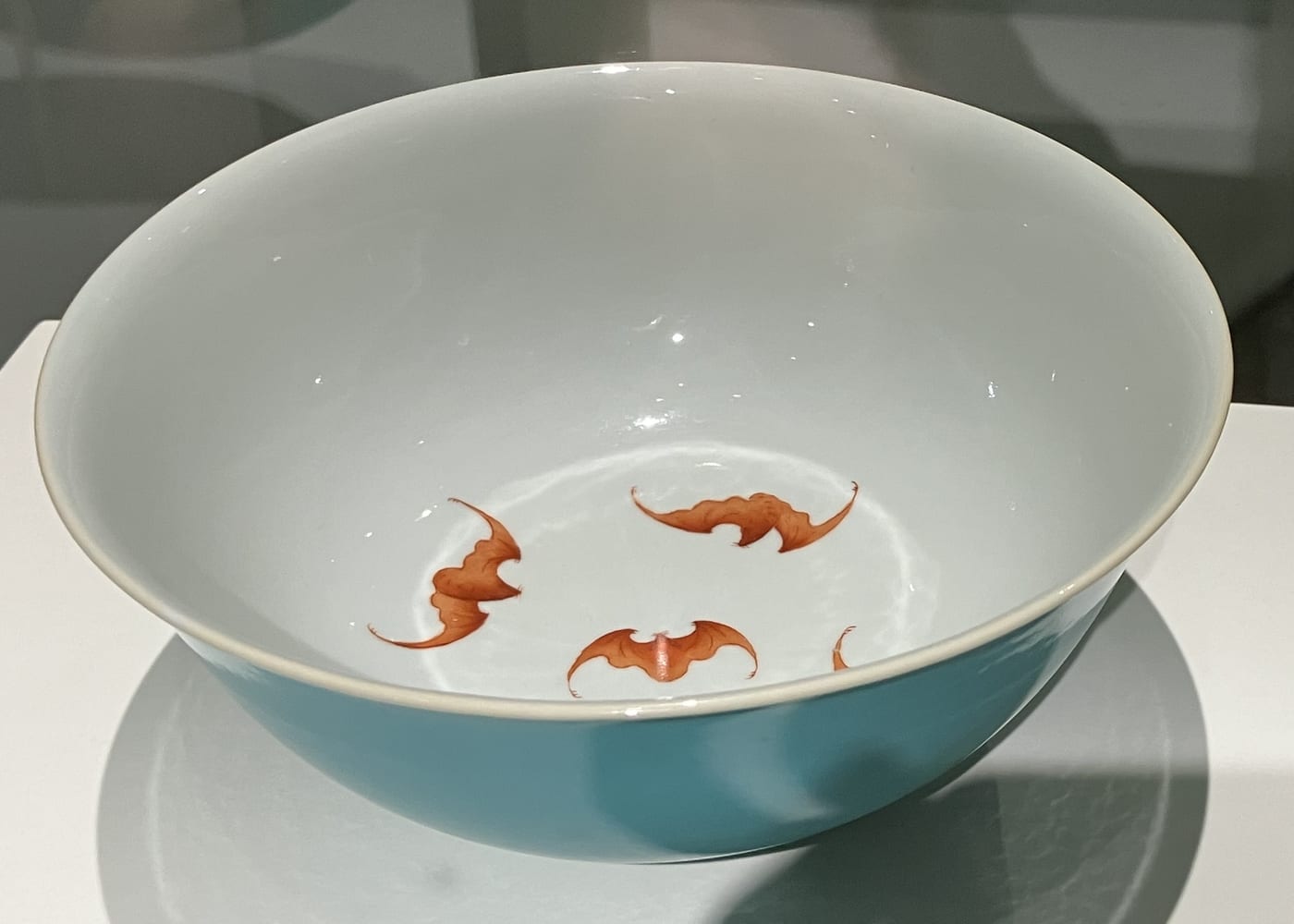
In Chinese decorative art, the bat (biānfú, 蝙蝠) is a symbol of good fortune because the word fú (蝠, bat) is homophonous with fú (福, blessing/happiness). This pun is the foundation of 2,000 years of bat iconography in Chinese art, documented thoroughly in Terese Tse Bartholomew’s Hidden Meanings in Chinese Art (Asian Art Museum of San Francisco, 2006). The most formal version (five red bats surrounding a central longevity character (shòu, 壽)) represents the Wǔfú: the Five Blessings of longevity, prosperity, health, virtue, and peaceful death.
Chinese-traditional-style bat tattoos use the fú-bat form: red or vermilion bodies (red being auspicious in Chinese tradition), simplified round shapes that emphasize the symbol over naturalistic anatomy. Placement on forearms and hands allows visibility; back and chest placements allow the full five-bat Wǔfú composition.
Western Gothic and vampire-bat tradition
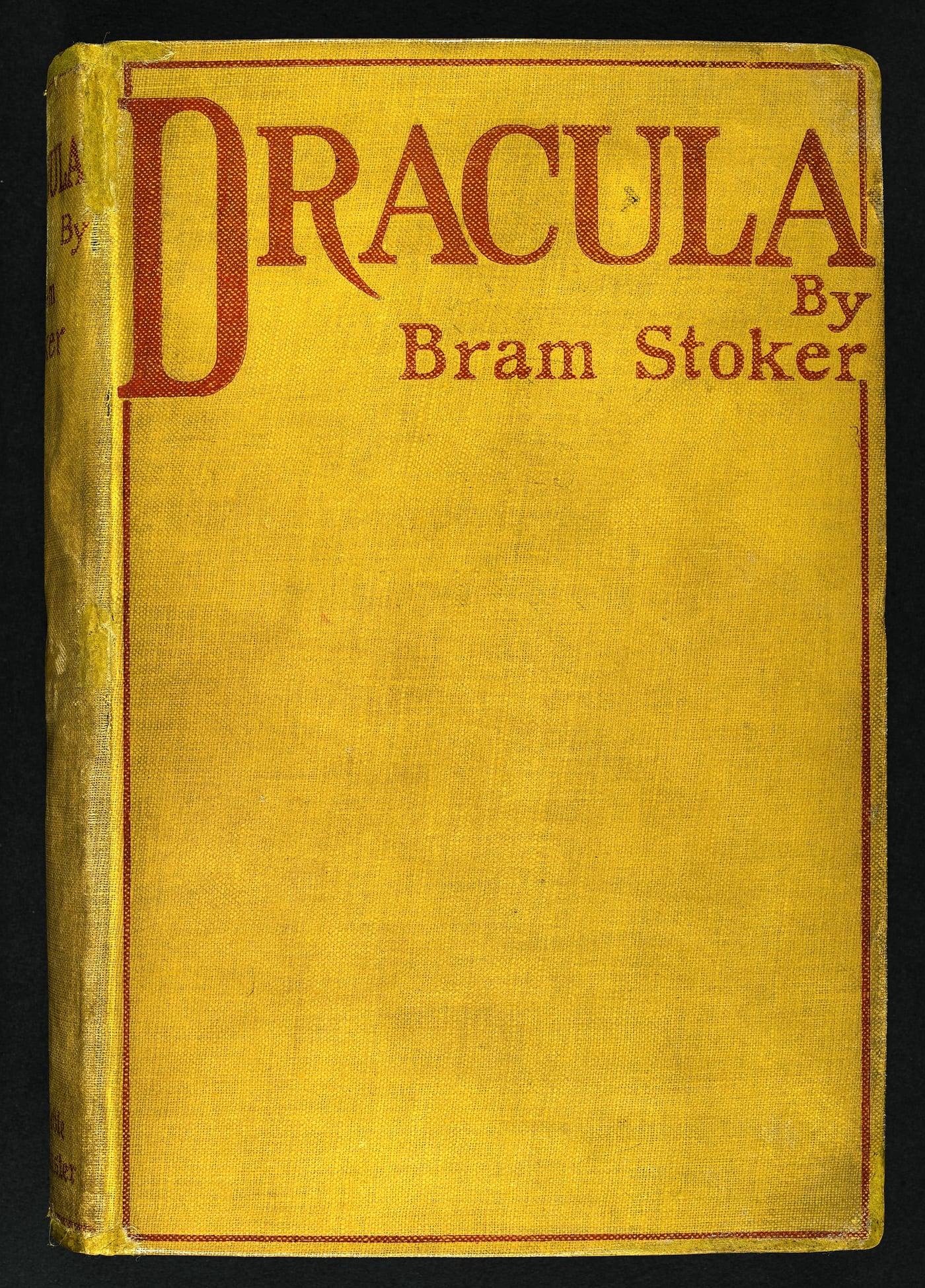
The Western European bat is a creature of darkness, the boundary between the living and the dead, witchcraft, and the night that belongs to malignant forces. This tradition runs from Pliny the Elder’s Natural History through medieval bestiaries, through the familiars-and-witches tradition of the 16th and 17th centuries. Bram Stoker’s Dracula (1897) crystallized the vampire-bat association: Dracula transforms into a bat, and the bat became the visual shorthand for vampiric evil in 20th-century horror and Halloween iconography.
Gothic blackwork bat tattoos draw on this tradition: stark black silhouettes, often with exaggerated wing anatomy, skeletal forms, or combined with skull or moon imagery. The aesthetic descends from American traditional tattoo through neo-traditional blackwork. The design signals shadow-comfort, affinity with darkness, and the vampire-horror lineage.
Placement
Neck, chest, and forearm placements allow the wings to spread at full visual impact. Ankle tattoos using a simplified single bat silhouette are common in minimalist styles. The bat’s bilateral wing symmetry makes it a natural choice for symmetrical chest or back compositions.
Choosing the register
A Chinese fú-bat and a Gothic vampire-bat are the same animal rendered in incompatible symbolic vocabularies. Anyone who knows either tradition will read the design in their own register. If you want the fortune reading, use the red Chinese-traditional style. If you want the Gothic reading, use the black Western naturalistic form. The ambiguous bat-silhouette that looks like neither sits in an uneasy middle ground.
See the full spirit-animal meaning: Bat Spirit Animal .
Frequently asked
- What does a bat tattoo mean?
- Depends sharply by cultural register. Chinese fú-bat = good fortune (homophone for 'happiness'). Gothic vampire-bat = shadow-work, transformation. Maya Camazotz-inspired = death-and-underworld. Choose the register deliberately, the same image reads completely differently depending on context.
- Why does a bat tattoo carry a longevity reading in Chinese style?
- The Chinese character for bat (蝠 fú) is a homophone for the character for good fortune (福 fú). Bat motifs appear extensively in Qing-dynasty decorative art and tattoo design as a visual pun on prosperity. A five-bat composition (wǔfú 五福) encodes the five blessings: longevity, wealth, health, love of virtue, and a peaceful death. This convention is entirely opposite to the Western death-bird reading and is the dominant tradition in East Asian tattooing.
- Where does the Western death-bird association come from?
- Camazotz, the death-bat of Popol Vuh and the Maya Cycle Tales, is one referent. The medieval European association of bats with night, the underworld, and demonic imagery (via Dante's Inferno 34.49 and Albrecht Dürer's 1514 Melencolia I) is another. Bram Stoker's Dracula (1897) crystallized the bat-as-vampire-form in modern Western imagination, the operating substrate for most contemporary Western bat tattoo readings.
Sources
- PEER-REVIEWED Terese Tse Bartholomew, Hidden Meanings in Chinese Art . Asian Art Museum of San Francisco, 2006.
- PRIMARY Bram Stoker, Dracula (1897) . Westminster: Archibald Constable, 1897.
- PRIMARY Popol Vuh (trans. Dennis Tedlock) . Touchstone, 1996 revised.
- PRIMARY Bram Stoker, Dracula . Archibald Constable, 1897.
- PEER-REVIEWED Patricia Bjaaland Welch, Chinese Art: A Guide to Motifs and Visual Imagery . Tuttle, 2008.