Tattoo Meaning
Butterfly Tattoo Meaning: Japanese Chō, Mexican Monarch / Day of the Dead, and Y2K Revival
Butterfly tattoo meaning: Japanese chō (蝶) traditional irezumi, Mexican monarch-butterfly Día de los Muertos imagery, 1990s-2000s femme-pop lower-back revival, and Greek psyche allegorical designs.
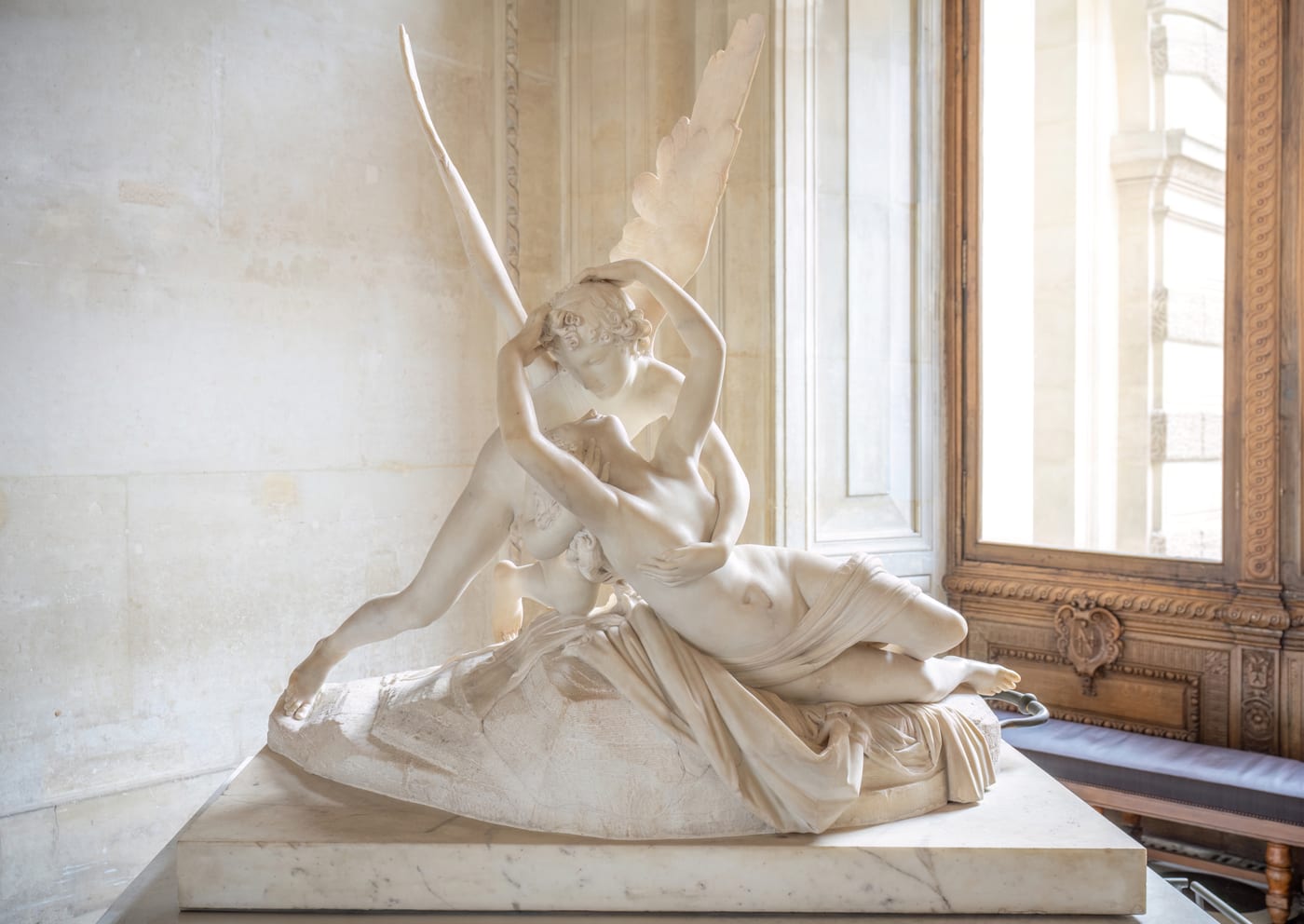
Butterfly tattoos most commonly mean transformation, renewal, and femininity. Specific traditions: Japanese irezumi chō (蝶) pair-butterfly motifs for marital bond; Mexican monarch-butterfly imagery for Día de los Muertos (November 1–2) returning-ancestors tradition; Greek psyche (soul / butterfly pun) allegorical designs from Apuleius and later Renaissance sources. The 1990s-2000s femme-pop lower-back butterfly tattoo revival is a specific American cultural moment with its own (sometimes unfortunate) associations.
The butterfly tattoo is one of the most widely-gotten tattoos on Earth, and one of the least-examined before ink hits skin. The design has a genuine and fascinating symbolic history. Most people don’t know it.
Japanese irezumi: chō and the soul
In Japanese irezumi (traditional tattooing), the butterfly (chō (蝶)) has a specific and ancient symbolic function. The butterfly is associated with the souls of the dead: the belief that the dead return as butterflies is documented in the Man’yōshū (c. 759 CE), Japan’s oldest poetry anthology. Paired butterflies (futachō, 双蝶) are a traditional irezumi symbol for marital love and fidelity, the two souls bound together. The design descends through Edo-period woodblock print aesthetics, particularly the butterfly print traditions of Katsushika Hokusai and Kitagawa Utamaro.
Takahiro Kitamura’s Tattoos of the Floating World (Hotei, 2003) documents how these motifs entered the Japanese tattoo tradition and their conventional meanings. The irezumi butterfly is typically drawn with precise anatomical detail, rendered in a restricted palette of blues, greens, and blacks, and placed in compositions that emphasize the movement of the wings.
Greek psyche
The Greek word psyche (ψυχή) means both “soul” and “butterfly.” That dual meaning is ancient: the butterfly’s lifecycle (egg, caterpillar, chrysalis, emergence) mapped the soul’s movement through death and rebirth in a way that Greek thinkers found genuinely useful. Plato uses the pun in the Phaedo (c. 360 BCE) in the context of the soul’s immortality argument. Apuleius makes it a full narrative: in The Golden Ass (Metamorphoses, 2nd century CE), Psyche) whose name is the butterfly-soul, undergoes trials and transformation before achieving divine status.
Greek-psyche-style butterfly tattoos typically depict the butterfly in a graceful, arching pose, sometimes with the soul-figure of a young woman, sometimes as wings on a feminine form. The design reads as soul, femininity, and the soul’s journey.
Mexican monarch and Día de los Muertos
The monarch butterfly’s annual migration from Canada and the northern United States to the mountain forests of Michoacán, Mexico, coincides with Día de los Muertos (November 1–2). The Purépecha people of Michoacán hold that the monarchs carry the souls of the deceased back for their annual visit. The orange and black migration has been central to the Day of the Dead celebration in this region for centuries.
Mexican-Día-de-los-Muertos butterfly tattoos combine the monarch’s distinctive orange-black-white patterning with calavera (skull) or marigold (cempasúchil) imagery. The design carries a specific cultural context; generic skull-and-butterfly fusions that don’t engage the Día de los Muertos tradition can read as appropriative to people from the tradition.

The 1990s–2000s lower-back revival and its aftermath
The lower-back butterfly tattoo was one of the defining body-art moments of the late 1990s and early 2000s, a design choice that has since acquired substantial cultural baggage, most of it negative. The “tramp stamp” epithet is real and persistent. This is not a comment on the quality of the design or its symbolism; it’s a fact about how a specific placement in a specific era became culturally coded. Anyone choosing a lower-back butterfly placement in 2026 is placing their design in that cultural history, whether they intend to or not.
See the full spirit-animal meaning: Butterfly Spirit Animal .
Frequently asked
- What does a butterfly tattoo mean?
- Most commonly transformation, renewal, and femininity. Specific cultural traditions: Japanese chō for marital bond, Mexican monarch-butterfly for Día de los Muertos, Greek psyche allegorical (Apuleius, Plato Phaedo). The design's meaning shifts substantially by style choice, Japanese, Mexican, or Western determines the symbolic register.
- What does a butterfly tattoo mean in Mexican Día de los Muertos design?
- In Purépecha tradition documented by the Smithsonian and the Mexican Secretaría de Cultura, monarch butterflies arriving in Michoacán each November carry the souls of the deceased back for their annual visit on Día de los Muertos (November 1–2). A monarch butterfly tattoo in Mexican-American design lineage references this specifically, not a generic transformation reading but a specific seasonal return-of-the-dead tradition tied to the monarch migration.
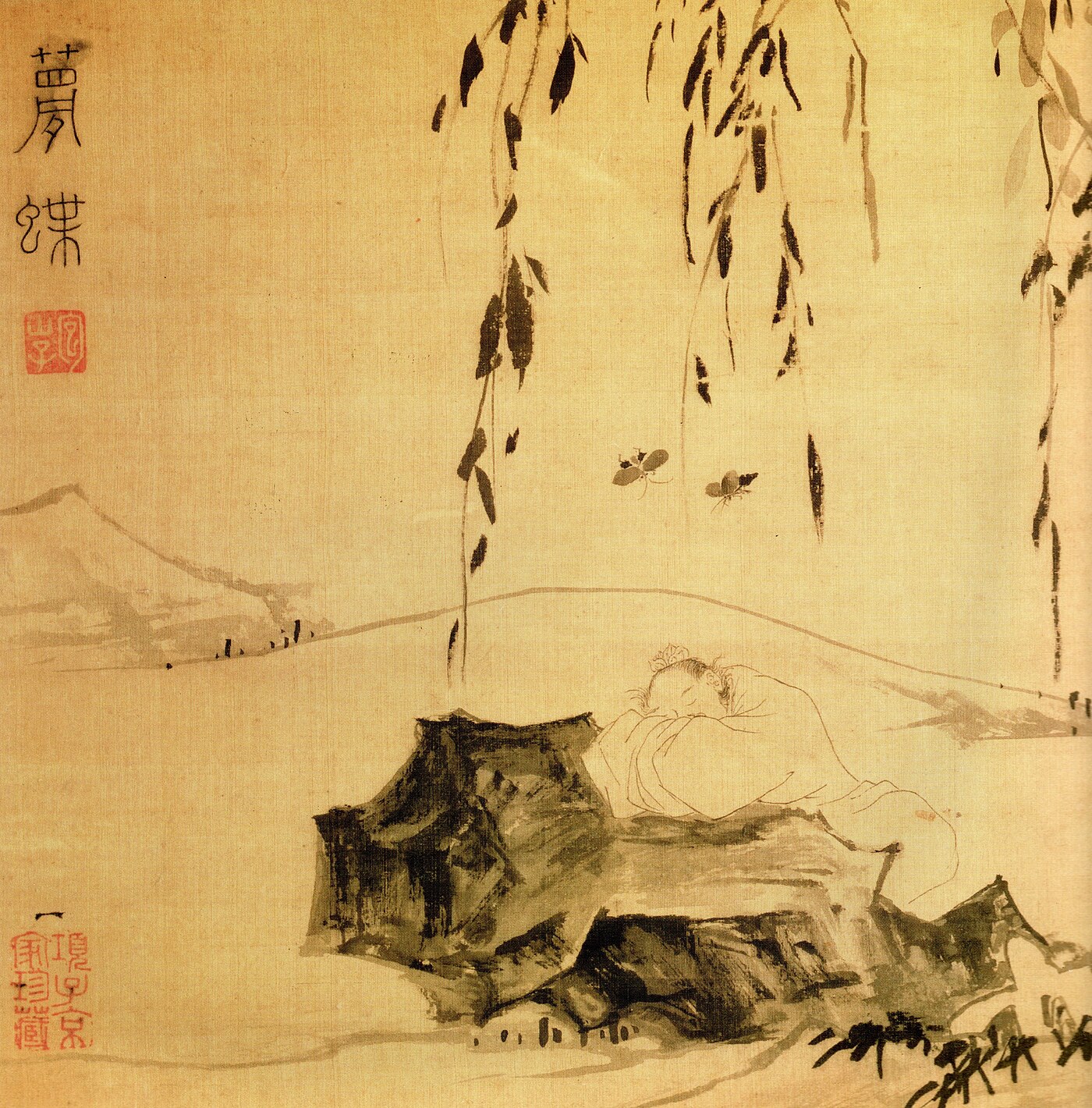
- What is the Zhuangzi butterfly-dream reading?
- Zhuangzi 2.14 records the philosopher dreaming he was a butterfly, then waking and being unable to determine whether he was a man dreaming he was a butterfly or a butterfly dreaming he was a man. Borges opens his essay on butterflies in The Book of Imaginary Beings with this. A butterfly tattoo in a Daoist-philosophy lineage carries this epistemic-uncertainty reading rather than the Christian transformation reading.
Sources
- PEER-REVIEWED Takahiro Kitamura and Katie Kitamura, Tattoos of the Floating World . Hotei, 2003.
- PRIMARY Apuleius, Metamorphoses (The Golden Ass) . Hanson trans., Loeb Classical Library, 1989.
- PRIMARY Zhuangzi 2.14 . Burton Watson trans., Columbia University Press, 1968.
- PRIMARY Jorge Luis Borges, The Book of Imaginary Beings . Penguin, 1974.
- PEER-REVIEWED Diego Aviles-Ramirez, Las mariposas monarca: tradición y migración . Universidad Michoacana, 2014.