Tattoo Meaning
Dragon Tattoo Meaning: Japanese Irezumi Ryū, Chinese Long, Welsh Red Dragon, Western Fantasy
Dragon tattoo meaning: Japanese irezumi ryū traditions, Chinese long imperial imagery, Welsh Y Ddraig Goch national identity, Western fantasy dragons.
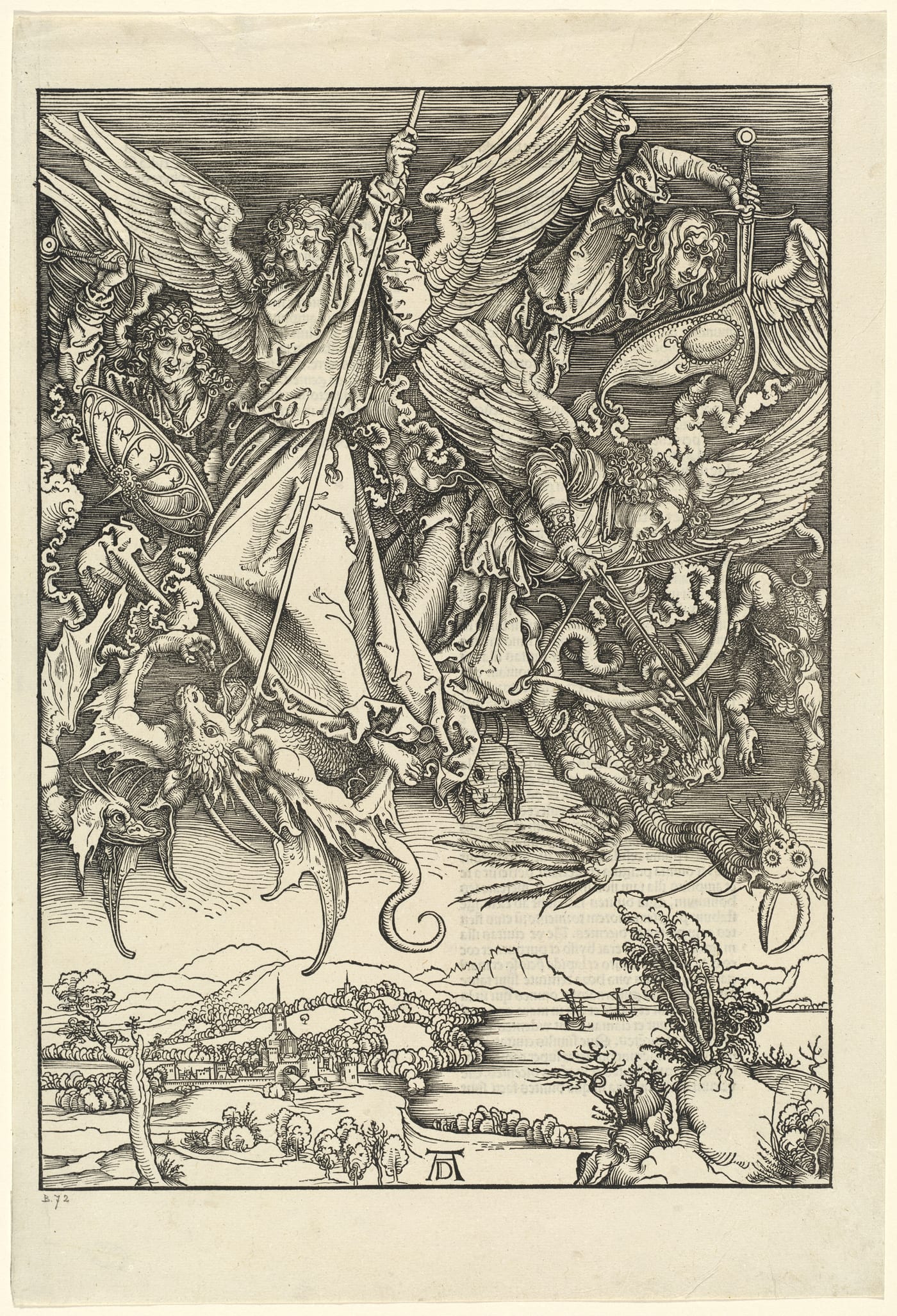
Dragon tattoos split sharply by cultural register. Japanese irezumi ryū (龍) body-suit designs draw on Utagawa Kuniyoshi's 1827–30 '108 Heroes of the Suikoden' woodblock prints. Chinese long imperial imagery: five-clawed emperor, four-clawed nobles, three-clawed higher commoners. Welsh Y Ddraig Goch is national-identity. Western fantasy dragons (Tolkien, Beowulf, Fáfnir) are the fire-breathing hoard-guarder tradition. The choice of dragon tradition determines the entire meaning of the design.
The dragon is one of the most requested tattoo subjects in the world, which makes it one of the most important designs to get right. The East Asian dragon and the Western dragon are not the same creature filtered through different art styles. They are different things with different symbolic vocabularies, different visual grammars, and different cultural weights. The choice you make is a significant one.
Japanese irezumi ryū
The Japanese dragon (ryū (龍)) is a water deity, a bringer of rain, and a guardian. It lives in rivers, lakes, and the deep sea. It is benevolent, powerful, and associated with wisdom and good fortune. It has no wings; it moves through water and clouds by undulation. Japanese irezumi tradition uses the dragon in full-body-suit compositions, wrapping around the torso and arms in the sinuous pose characteristic of Utagawa Kuniyoshi’s influential 1827–30 108 Heroes of the Suikoden woodblock prints. Each tattooed hero in Kuniyoshi’s series served as a model for subsequent Japanese tattoo design.
Takahiro Kitamura’s Tattoos of the Floating World (Hotei, 2003) is the standard English-language reference for how these designs moved from woodblock print into irezumi tradition. The colors are specific: blue-black for water association, red for strength, green for forest and rain. Horiyoshi III, the living grand master of Japanese tattooing, has published his dragon designs and their compositional principles in multiple volumes.
Japanese irezumi work is traditionally done by artists trained within a master-apprentice lineage system. Machine-applied dragon tattoos in “Japanese style” exist across the world; they are not the same as tebori (hand-poked) work by a traditionally-trained irezumi artist. Both can be excellent work; they are different traditions.
Chinese long
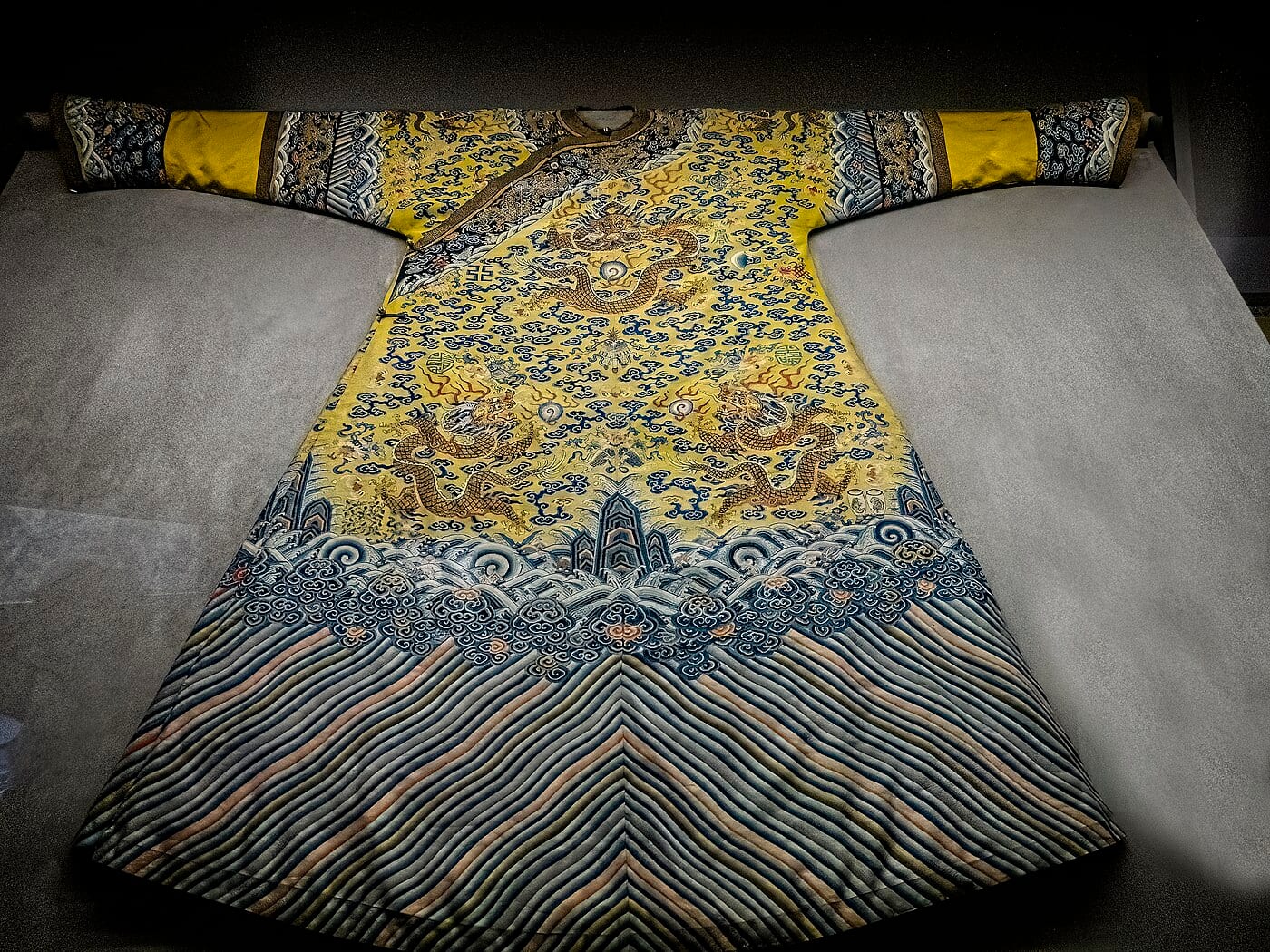
The Chinese imperial dragon (long (龍, same character, different pronunciation)) carries specific sovereignty coding. Five-clawed dragons are imperial symbols; Chinese emperors from at least the Tang dynasty (618–907 CE) reserved the five-clawed dragon as an imperial emblem. Four-clawed dragons were permitted for high nobility; three-clawed for higher commoners. This claw-count convention is specific and historically documented; a Chinese-style dragon tattoo with five claws is making an imperial statement whether the wearer knows it or not.
Welsh Y Ddraig Goch
The Red Dragon of Wales (Y Ddraig Goch) is the national symbol of Wales, appearing on the Welsh flag and documented in sources from the Historia Brittonum (c. 828 CE) through Geoffrey of Monmouth’s Historia Regum Britanniae (c. 1136). Welsh dragon tattoos are national-identity pieces: they place the wearer explicitly in a Welsh civic tradition.
Western fantasy dragon
The Western dragon (winged, fire-breathing, gold-hoarding) derives from the Germanic tradition (Fáfnir in the Poetic Edda, the dragon in Beowulf) and from the biblical Leviathan tradition, filtered through medieval bestiaries and 20th-century fantasy literature. Tolkien’s Smaug, the D&D dragon, the dragon of Game of Thrones, these are all recognizable iterations of the same Western type. Designs in this tradition read as power, danger, and the fantasy genre.
Full-sleeve and back-panel placements
Dragon tattoos traditionally go large. A ryū that reads correctly needs room to extend; full sleeves, chest panels, and full backs are the classic placements. Dragon tattoos that are compressed into small spaces lose the sinuous elongation that makes the design work. If the space available doesn’t allow the dragon to extend, a different design may serve the concept better.
See the full spirit-animal meaning: Dragon Spirit Animal .
Frequently asked
- What does a dragon tattoo mean?
- Depends entirely which dragon. Japanese ryū = strength, wisdom, rain-bringing water. Chinese long = imperial sovereignty, five claws for emperors. Welsh Y Ddraig Goch = national identity. Western Fáfnir/Tolkien = power and hoard. Choose deliberately; these traditions share almost nothing.
- What is the difference between a Japanese ryū tattoo and a Chinese lóng tattoo?
- The Japanese ryū (竜) has three claws and is a water deity; the Chinese imperial lóng (龍) has five claws and is the celestial-sovereign figure. Japanese irezumi conventions pair the ryū with clouds, water, and waves; Chinese dragon iconography pairs the lóng with pearls, fire, and the dragon-and-phoenix balance. A tattoo artist working in Japanese tradition will read these as different creatures, not stylistic variants of one. The conventions trace to Edo-period woodblock art (Hokusai, Kuniyoshi) for the Japanese side and to Han-through-Qing imperial iconography for the Chinese.
- Is the Western dragon an option for tattooing?
- Yes, though it carries a separate iconographic tradition: the four-legged, fire-breathing, treasure-hoarding draco of medieval European heraldry (Tolkien's Smaug is the modern apex). Beowulf 2200–2820 and the Nibelungenlied are the textual substrate. A Western dragon tattoo with bat wings, two legs, and a horned head is reading from this tradition, not the Asian ryū / lóng / qílín family. Tattoo artists trained in Western fantasy work (the Frank Frazetta lineage) generally distinguish these explicitly.
Sources
- PEER-REVIEWED Takahiro Kitamura, Tattoos of the Floating World . Hotei, 2003.
- PRIMARY Horiyoshi III, Japanese Tattoos: History, Culture, Design . Tuttle, 2017.
- PRIMARY Jorge Luis Borges, The Book of Imaginary Beings . Penguin, 1974.
- PRIMARY Beowulf 2200–2820 . Heaney trans., Norton, 2000.
- PEER-REVIEWED Patricia Bjaaland Welch, Chinese Art: A Guide to Motifs and Visual Imagery . Tuttle, 2008.