Tattoo Meaning
Hummingbird Tattoo Meaning: Americana Joy, Aztec Warrior, and Watercolor Style
Hummingbird tattoo meaning: the modern Americana joy-and-lightness reading, Aztec Huitzilopochtli warrior imagery, and the watercolor-style contemporary revival.
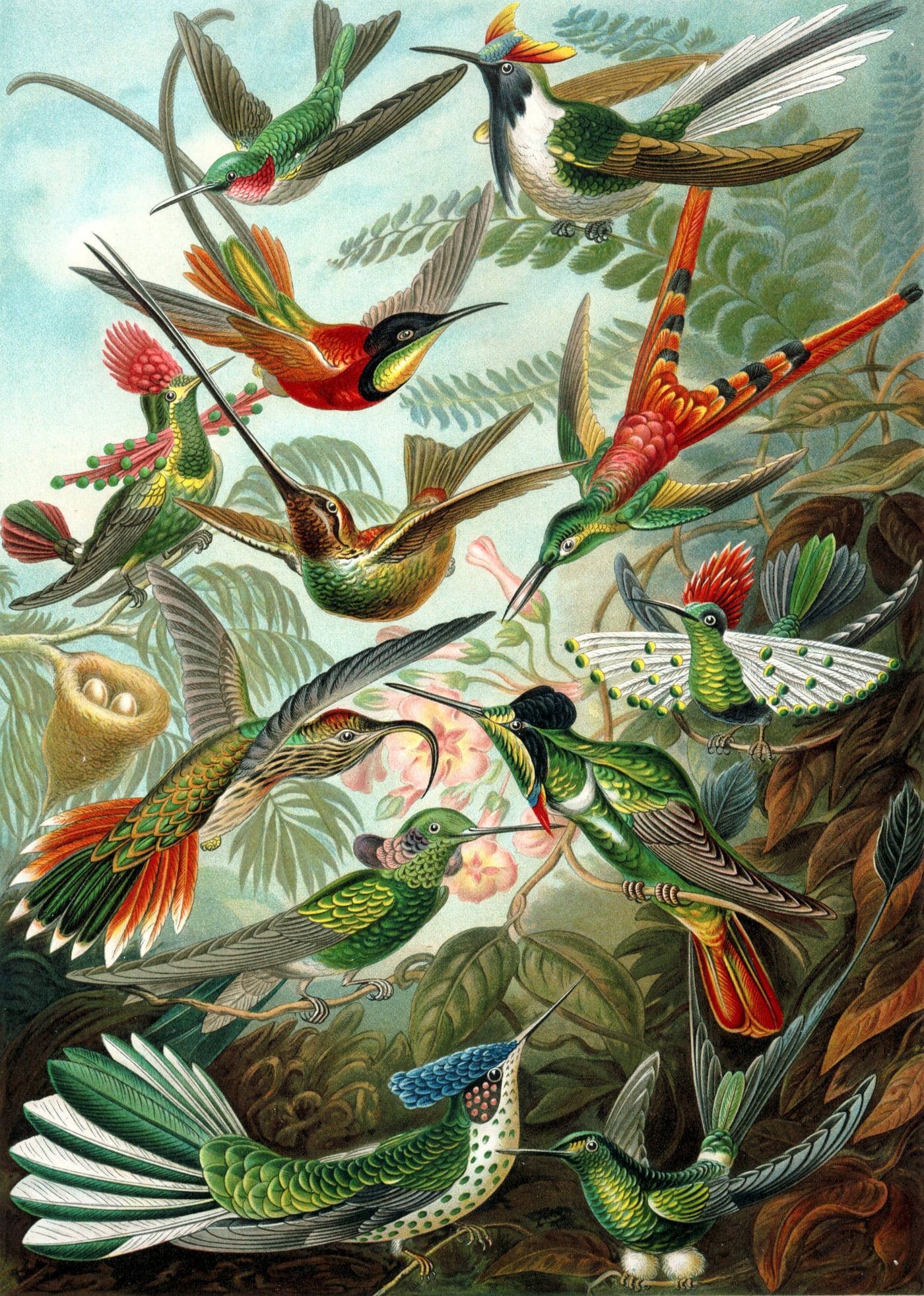
Hummingbird tattoos most commonly mean joy, lightness, and swift-bright-energy. The deeper Aztec tradition (Huitzilopochtli, 'Hummingbird of the South,' war-god of the noon sun, documented in Sahagún's Florentine Codex Book 3) is almost never engaged by modern hummingbird-tattoo designs, which tend to draw on the 19th-century Romantic hummingbird image instead.
The hummingbird is one of the most legible tattoo designs: tiny, precise, recognizably joyful. What almost nobody getting one knows is that the popular reading and the historical record are almost completely disconnected. The joy-bird of modern Americana has an Aztec war-god in its background that most wearers never encounter.
The modern Americana reading
The dominant modern hummingbird tattoo meaning is joy, lightness, and resilience under difficulty. The idea that such a tiny creature can hover, fly backwards, and sustain itself on tiny quantities of flower nectar makes it a natural symbol for finding sustenance in small things, for persisting on what’s available, for joyful efficiency. This reading enters tattoo culture through the broader 20th-century Americana tradition of small, bright, feminine-read designs (flowers, birds, butterflies) that became standard feminine flash.
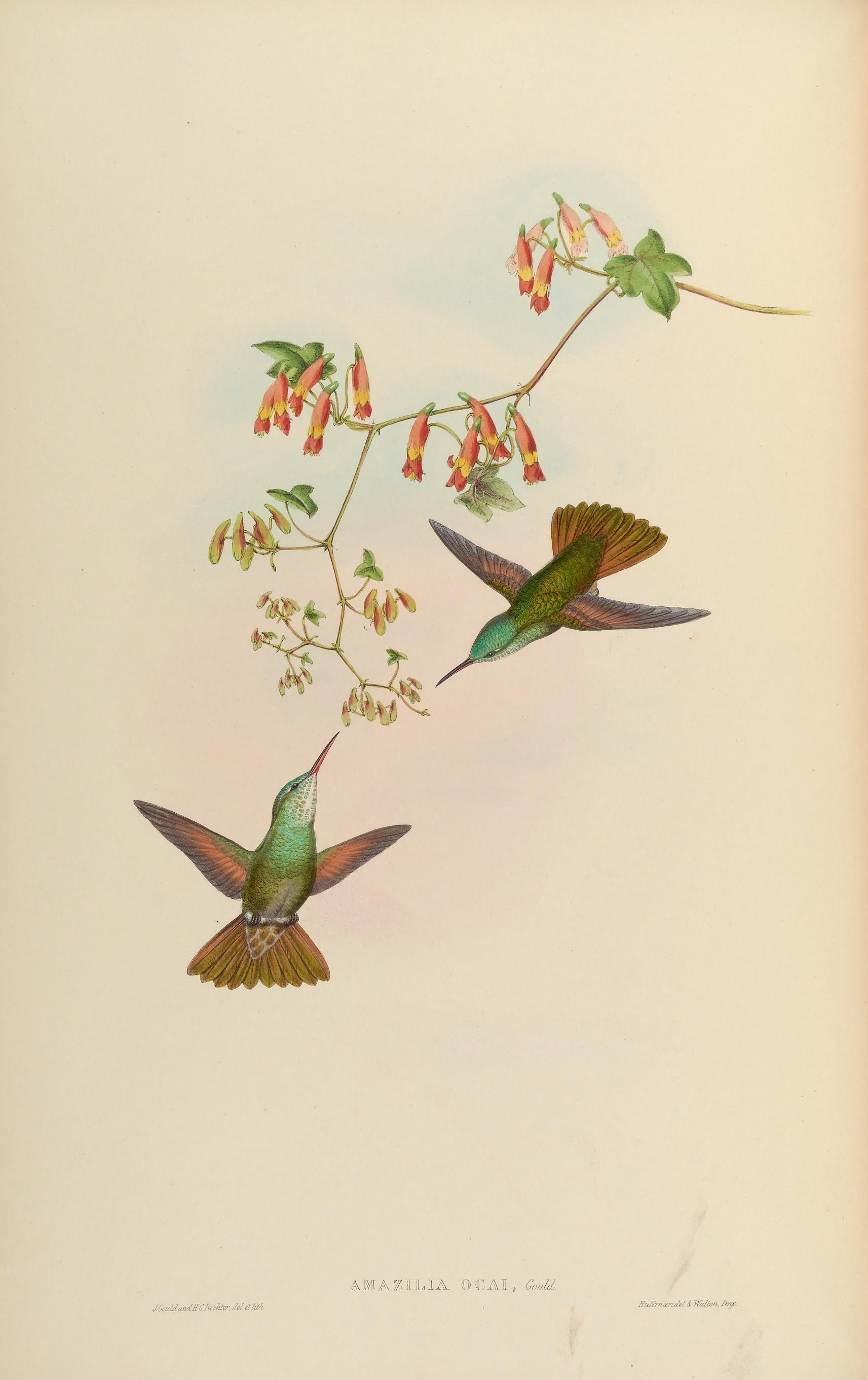
Watercolor-style hummingbird tattoos, popular since the 2010s, use the bird’s iridescent plumage as an opportunity for loose, wash-style color application: greens, purples, and fuchsias that approximate the throat-feather iridescence in a non-photo-realistic aesthetic. These designs emphasize the joyful-luminous quality.
The Aztec Huitzilopochtli layer
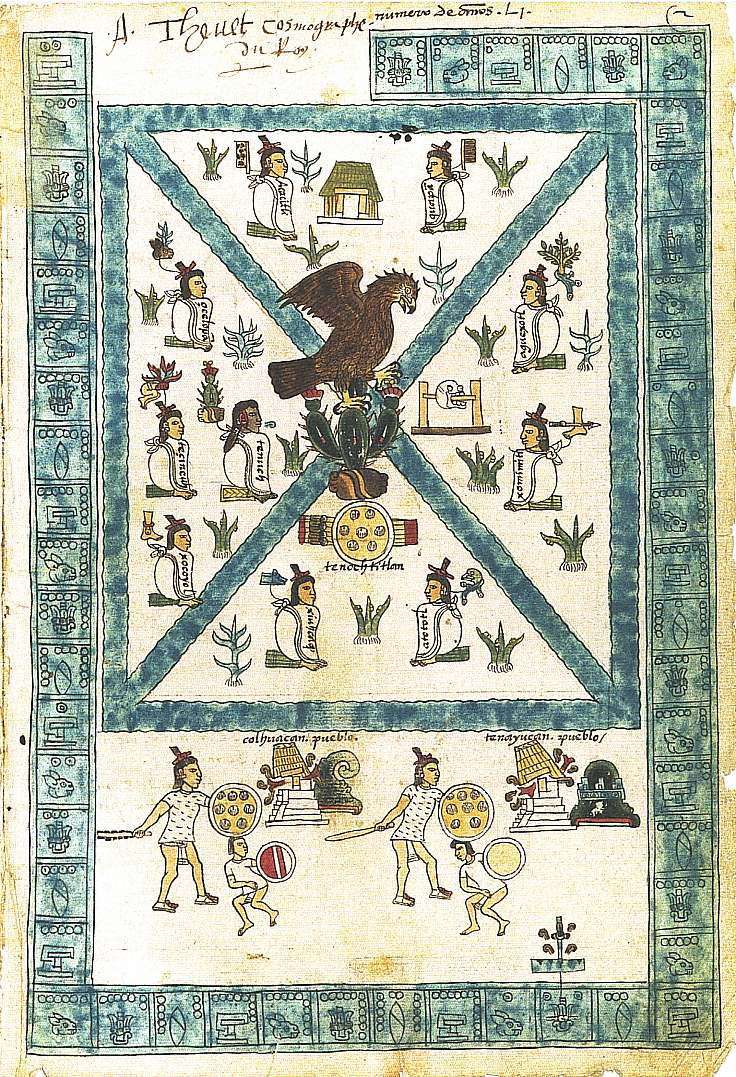
Almost no modern hummingbird tattoo engages this, but it is real and worth knowing. Huitzilopochtli (whose name translates roughly as “Hummingbird of the South” or “Left-handed Hummingbird”) is the Aztec war god, the deity of the noon sun and of the sacrificial cycle that sustained cosmic order. Sahagún’s Florentine Codex Book 3 (Anderson and Dibble trans., University of Utah Press, 1950–82) documents his attributes and his role in the Mexica religious calendar.
The Aztec belief connected dead warriors with hummingbirds: warriors killed in battle were believed to return as hummingbirds hovering around flowers. The tiny, hovering, iridescent creature was not only the joy-bird; it was the reborn spirit of the slain. An Aztec-inspired hummingbird tattoo design that engages this tradition (combined with warrior imagery, Mexica calendar signs, or sacrifice iconography) carries entirely different symbolic weight than the Americana joy-bird reading.
Placement
Hummingbirds work well at small to medium scales. Shoulder, forearm, and ankle placements dominate. The collarbone hummingbird is common in feminine placement conventions. The design’s natural movement (wings spread, hovering) looks best when given enough space to show the complete hover posture without compression. Designs that fit the hummingbird into a circle or square border lose the quality that makes the design work.
See the full spirit-animal meaning: Hummingbird Spirit Animal .
Frequently asked
- What does a hummingbird tattoo mean?
- Joy, lightness, and swift-bright-energy in modern usage. The Aztec Huitzilopochtli tradition (Sahagún Florentine Codex Book 3) (the hummingbird as the reborn spirit of warriors slain in battle) is almost never engaged by modern designs, but it's there for the asking.
- What is the Mexica (Aztec) reading of a hummingbird tattoo?
- Huitzilopochtli ("Hummingbird of the South") is the patron deity of the Mexica (Aztec) people, founder-god of Tenochtitlan, and the figure who led the migration from Aztlán. The Florentine Codex (Bernardino de Sahagún, 1545–1590) documents the iconography. A hummingbird tattoo in Mexica-design lineage carries this founder-god and warrior weight rather than the modern "joy and lightness" reading common in Western neo-traditional work.
- What is the Nazca lines hummingbird?
- The Nazca geoglyph hummingbird (Peru, c. 500 BCE–500 CE) is one of the largest single hummingbird depictions in human visual history: roughly 96 meters long, etched into the desert pampa, visible only from elevation. The Nazca tradition's cosmological significance is treated in Maria Reiche's Mystery on the Desert (1949) and the more recent peer-reviewed scholarship in Latin American Antiquity. A hummingbird tattoo can reference this lineage with a corresponding stylistic choice (linework, geoglyph aesthetic) rather than the naturalistic hummingbird-in-flight image.
Sources
- PRIMARY Sahagún, Florentine Codex Book 3 . Anderson & Dibble trans., University of Utah Press, 1950–82.
- PRIMARY Bernardino de Sahagún, Florentine Codex (General History of the Things of New Spain) . Arthur J.O. Anderson and Charles E. Dibble trans., University of Utah Press, 1950–1982.
- PRIMARY Maria Reiche, Mystery on the Desert . Self-published, Nazca, 1949.
- PEER-REVIEWED Adrienne Mayor, The First Fossil Hunters . Princeton University Press, 2000.
- PRIMARY Don Ed Hardy, Tattooing the Invisible Man . Smart Art Press, 2000.