Tattoo Meaning
Lion Tattoo Meaning: Lion of Judah, Heraldic English-Scottish, Ethiopian Rastafari
Lion tattoo meaning: Lion of Judah Rastafari inheritance from the Ethiopian Solomonic dynasty, English and Scottish heraldic lions, Zodiac Leo, and American traditional.
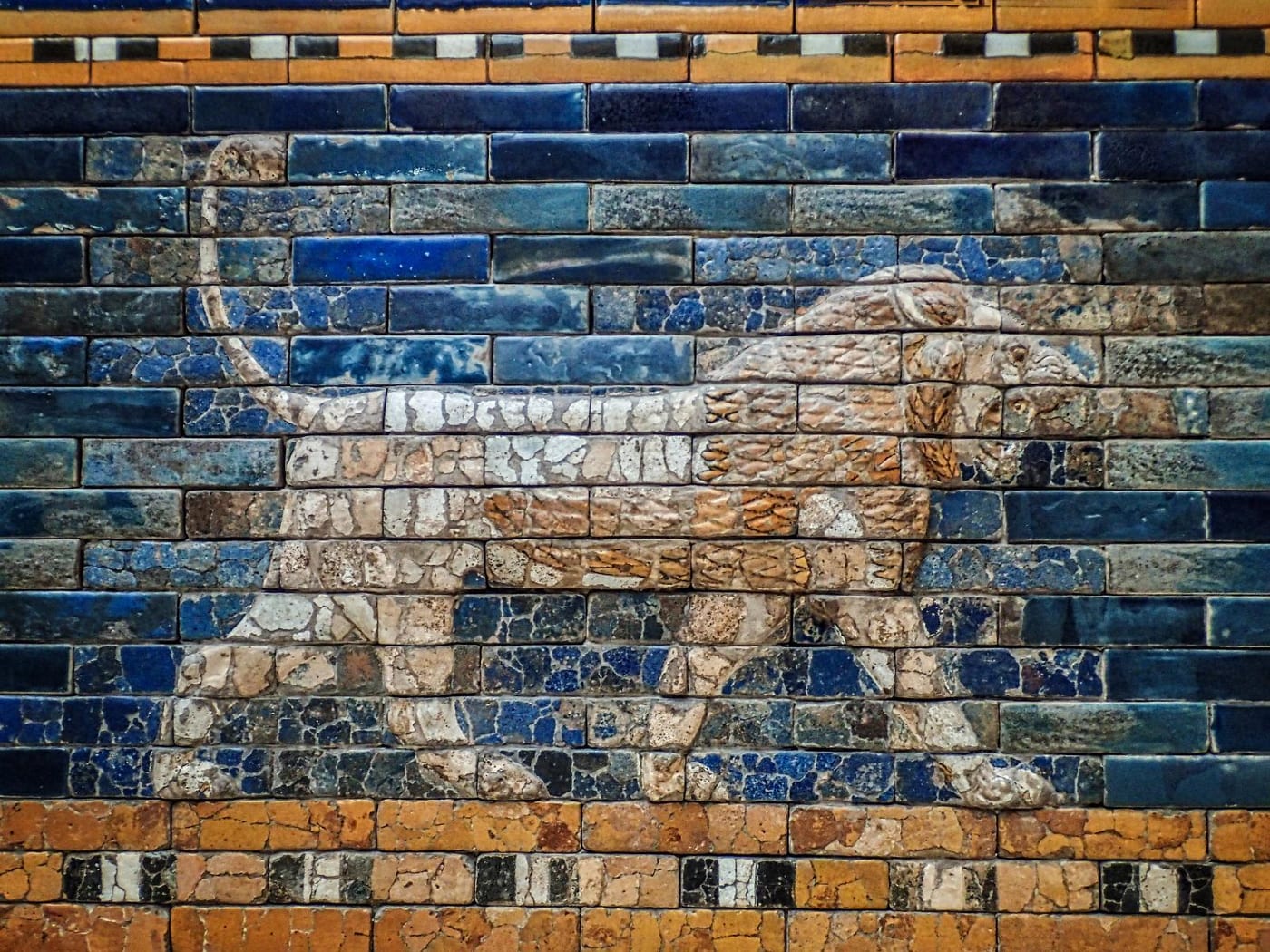
Lion tattoos carry multiple specific cultural registers. The Lion of Judah (Revelation 5:5, Genesis 49:9, Ethiopian Solomonic imperial imagery, Rastafari symbolism) is the most specific Biblical-Christian lineage. English three-lions and Scottish rampant-lion heraldic traditions are civic. Zodiac Leo is astrological. The Mesopotamian Inanna-Sekhmet-Samson-Buddhist traditions add further historical depth to whichever register you choose.
The lion is the most universally distributed royal emblem in human history. The design has been in use from Mesopotamian cylinder seals of the 4th millennium BCE through the present. The lion tattoo draws on that accumulation, whether the wearer knows it or not.
Lion of Judah
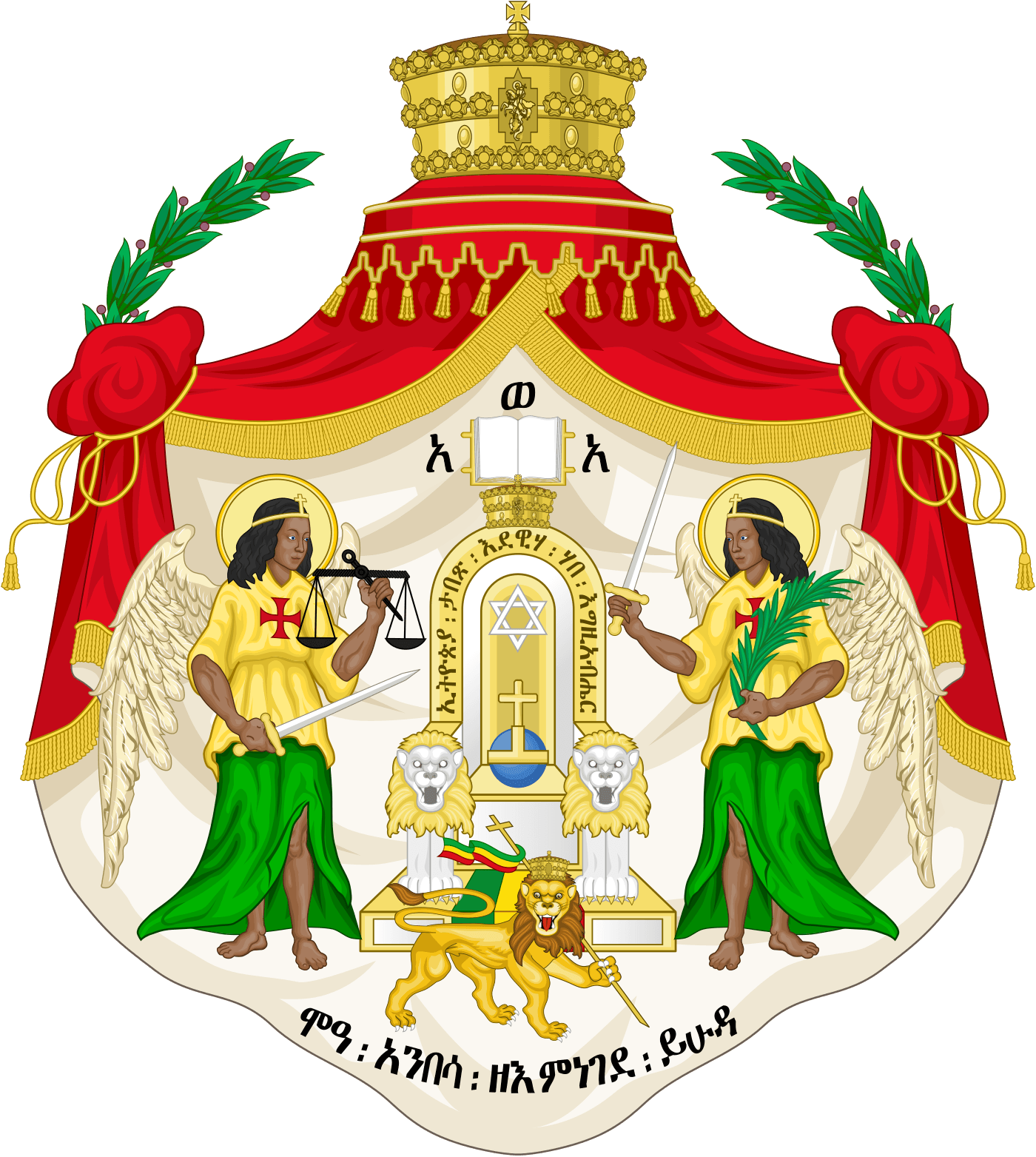
The biblical “Lion of Judah” is a specific symbolic register with a specific textual basis. Genesis 49:9 contains Jacob’s dying blessing to his son Judah: “Judah is a lion’s cub; from the prey, my son, you have gone up. He stooped down; he crouched as a lion and as a lioness; who dares rouse him?” Revelation 5:5 applies the title to Christ: “Weep no more; behold, the Lion of the tribe of Judah, the Root of David, has conquered.”
The Ethiopian Solomonic dynasty (the Imperial House of Ethiopia, 1270–1974) used the Lion of Judah as a royal emblem, claiming descent from Solomon and the Queen of Sheba. The Lion of Judah on the Ethiopian flag and imperial seal is documented from medieval Ethiopian manuscript tradition through the 20th century. Rastafari (founded in Jamaica in the 1930s) adopted the Ethiopian Lion of Judah directly, specifically as an emblem of Haile Selassie as the fulfillment of the biblical prophecy.
Lion of Judah tattoos in the present day typically engage the Rastafari register as much as the Ethiopian imperial one, they are markers of faith, cultural identity, and the specific theological claim that the lion of Revelation 5 has walked the earth.
Heraldic: English and Scottish traditions
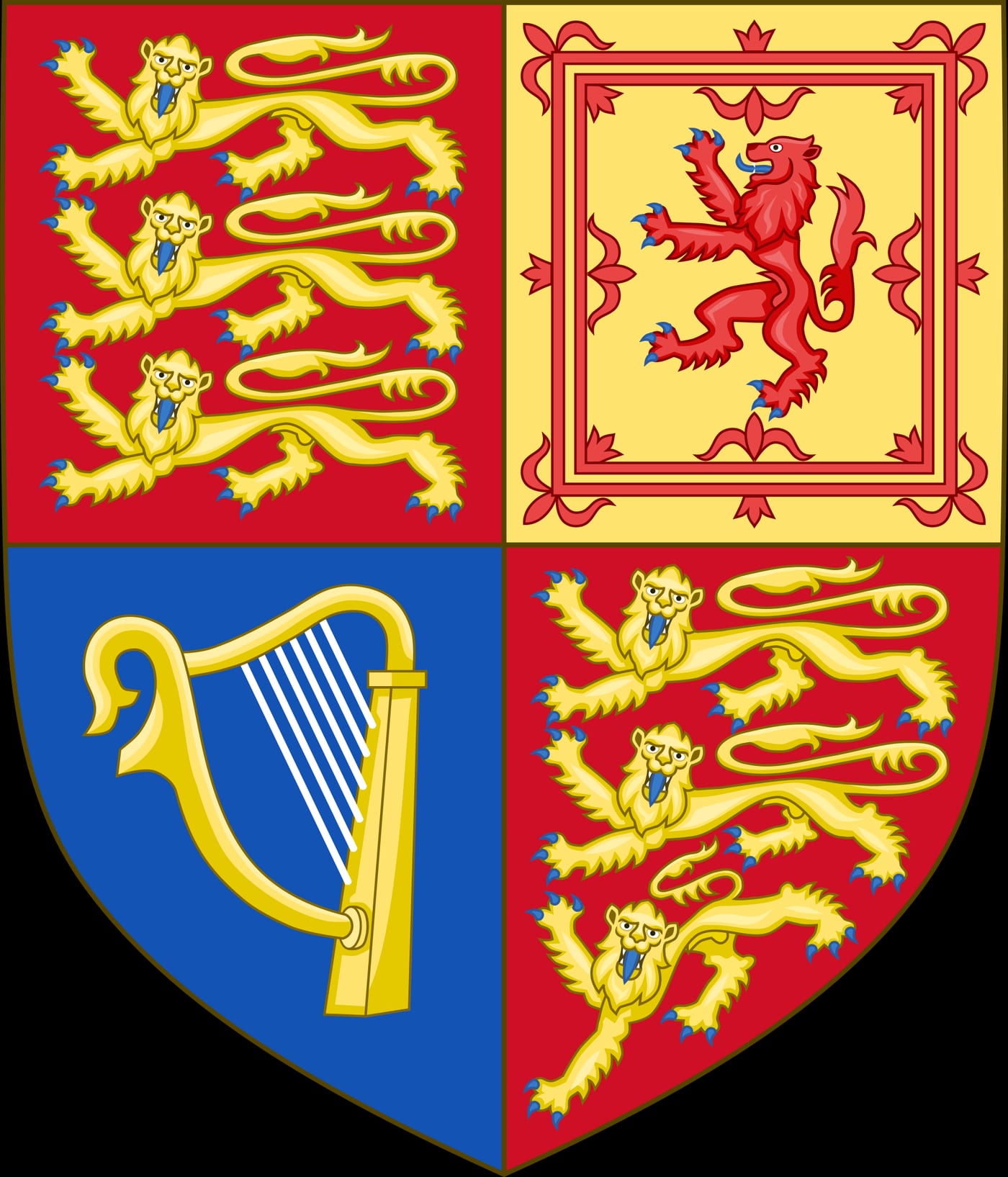
The English royal arms use three golden lions passant guardant on a red field, documented from Richard I’s use in the 12th century. The Scottish royal standard uses a red lion rampant on gold. These are civic national-identity emblems, not spiritual claims. Heraldic lion tattoos read as national pride (British, Scottish) and as traditional-heraldic aesthetic appreciation rather than religious content.
Realistic portrait lions
Photorealistic lion tattoos (detailed rendering of the lion’s face and mane) are primarily strength and majesty designs without engaging specific cultural or religious registers. The lion’s naturally dramatic face makes it one of the more technically rewarding realism subjects. These are widely popular because the meaning is universal enough to not require explanation, and the design is visually striking at every scale.
Placement
Chest and forearm placements are most common for portrait-style and realistic lion designs. Heraldic lions work as shoulder or upper-arm pieces. The lion’s face (without body) makes an excellent chest centerpiece or thigh piece. Full-body lion compositions (reclining or rearing) work best on the back or the full sleeve.
See the full spirit-animal meaning: Lion Spirit Animal .
Frequently asked
- What does a lion tattoo mean?
- Courage, sovereignty, protection. The register matters. Lion of Judah (Genesis 49:9, Revelation 5:5, Ethiopian imperial, Rastafari) carries specific religious weight. English and Scottish heraldic lions carry civic national identity. Realistic portrait lions carry general strength meaning.
- Where does the heraldic lion tattoo tradition come from?
- European heraldry codified the lion in specific poses with specific meanings from the 12th century onward: rampant (rearing on hind legs, the most common), passant (walking), couchant (lying), and sejant (sitting). Each pose carries a coded reading in armorial tradition. A heraldic-style lion tattoo (the Lion of Judah, the lion of England, the lion of Scotland) inherits this medieval European visual vocabulary rather than the African wildlife reading.
- What does a Japanese karajishi tattoo mean?
- The karajishi (唐獅子, "Chinese lion") is the Japanese irezumi figure derived from Tang-dynasty Chinese guardian-lion sculpture. Karajishi tattoos are typically paired with peonies (botan), and the pairing carries a specific iconographic reading: power balanced by elegance, ferocity by refinement. The composition trace through Hokusai and the Edo-period woodblock tradition into 19th-century irezumi practice.
Sources
- PRIMARY Genesis 49:9, Revelation 5:5 . BHS / NA28.
- PEER-REVIEWED Takahiro Kitamura, Tattoos of the Floating World . Hotei, 2003.
- PEER-REVIEWED Brigitte Koyama-Richard, Mille ans de manga . Flammarion, 2007.
- PEER-REVIEWED Hugh Clark, Heraldry . Reeves and Turner, 1845.
- PEER-REVIEWED Erika Feucht, "On the Symbolism of the Lion in Egyptian Art" . In Studies in Honor of William Kelly Simpson, MFA Boston, 1996.