Tattoo Meaning
Lioness Tattoo Meaning: Egyptian Sekhmet, 'Queen of the Jungle,' and the Maternal Warrior
Lioness tattoo meaning: Egyptian Sekhmet lioness-goddess imagery, the modern 'maternal warrior' reading, and the matriarchal-hunter pride-social-structure biology.
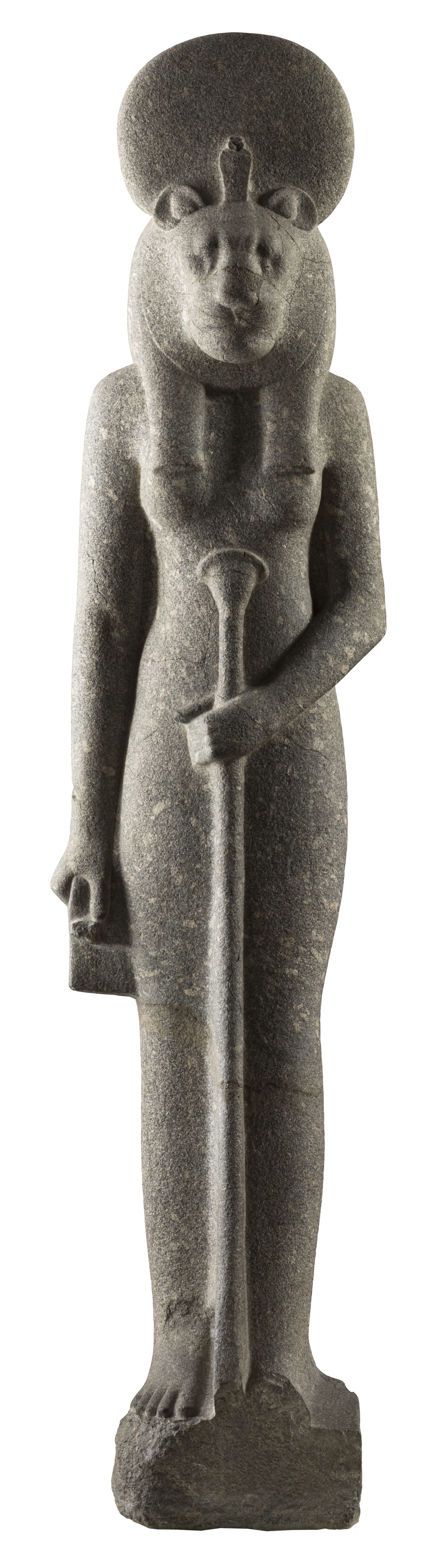
Lioness tattoos most commonly mean maternal protection, fierce devotion, and matriarchal strength. The deepest documented tradition is Egyptian Sekhmet (the lioness-headed destroyer-goddess; hundreds of black granodiorite statues from Amenhotep III's mortuary complex survive at the British Museum, Karnak, and Museo Egizio Turin). The modern 'mother-of-cubs' reading is grounded in the biological fact that lionesses do most hunting and lead most pride social structure.
The lioness became its own distinct tattoo request in roughly the 2010s, and the timing makes sense: the maternal-warrior reading found a culture ready for it. But the tradition behind the design is three thousand years old and doesn’t need the contemporary framing to justify its existence.
Egyptian Sekhmet
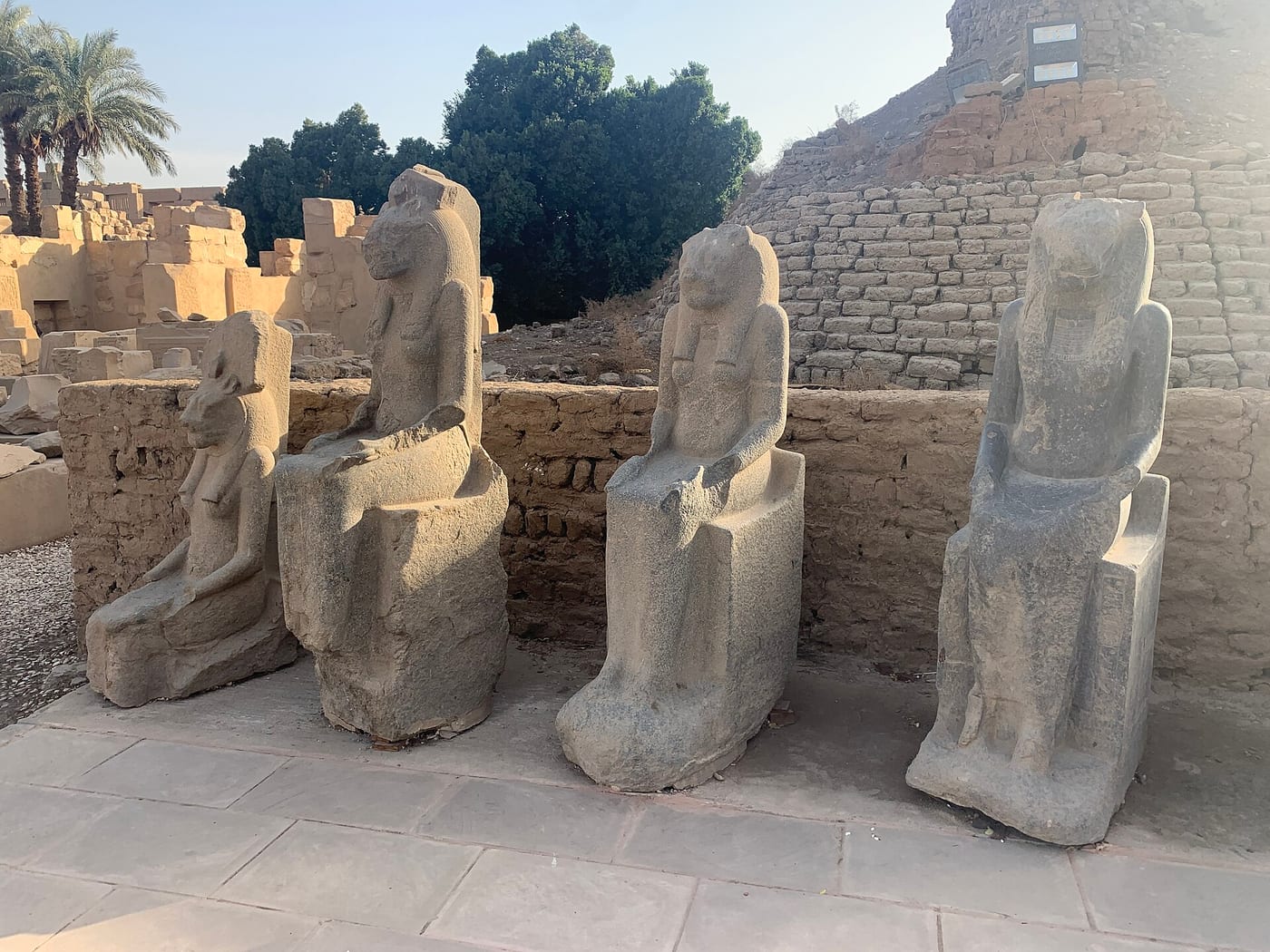
The deepest documented lioness-headed tradition in world religion is Egyptian Sekhmet. The name means “The Powerful One.” She is the lioness-headed goddess of war, plague, the hot desert wind, and the burning eye of Ra when it turns against humanity. Amenhotep III (r. c. 1390–1353 BCE) commissioned somewhere between 600 and 730 granodiorite statues of Sekhmet for his mortuary complex at Kom el-Hettan in Thebes, one of the largest single sculptural programs in ancient Egyptian history. Many of these statues ended up dispersed to museums worldwide: the British Museum holds over twenty, the Museo Egizio in Turin holds multiple examples, the Karnak temple complex retains many in situ. Richard Wilkinson’s The Complete Gods and Goddesses of Ancient Egypt (Thames & Hudson, 2003) documents the iconographic tradition.
Sekhmet-inspired tattoo designs typically place the lioness head on a human female body, in the characteristic Egyptian composite-deity format. The iconography signals fierce protective power, the destruction that enables the new, and the uncontrollable aspect of solar force.
The mother-warrior reading
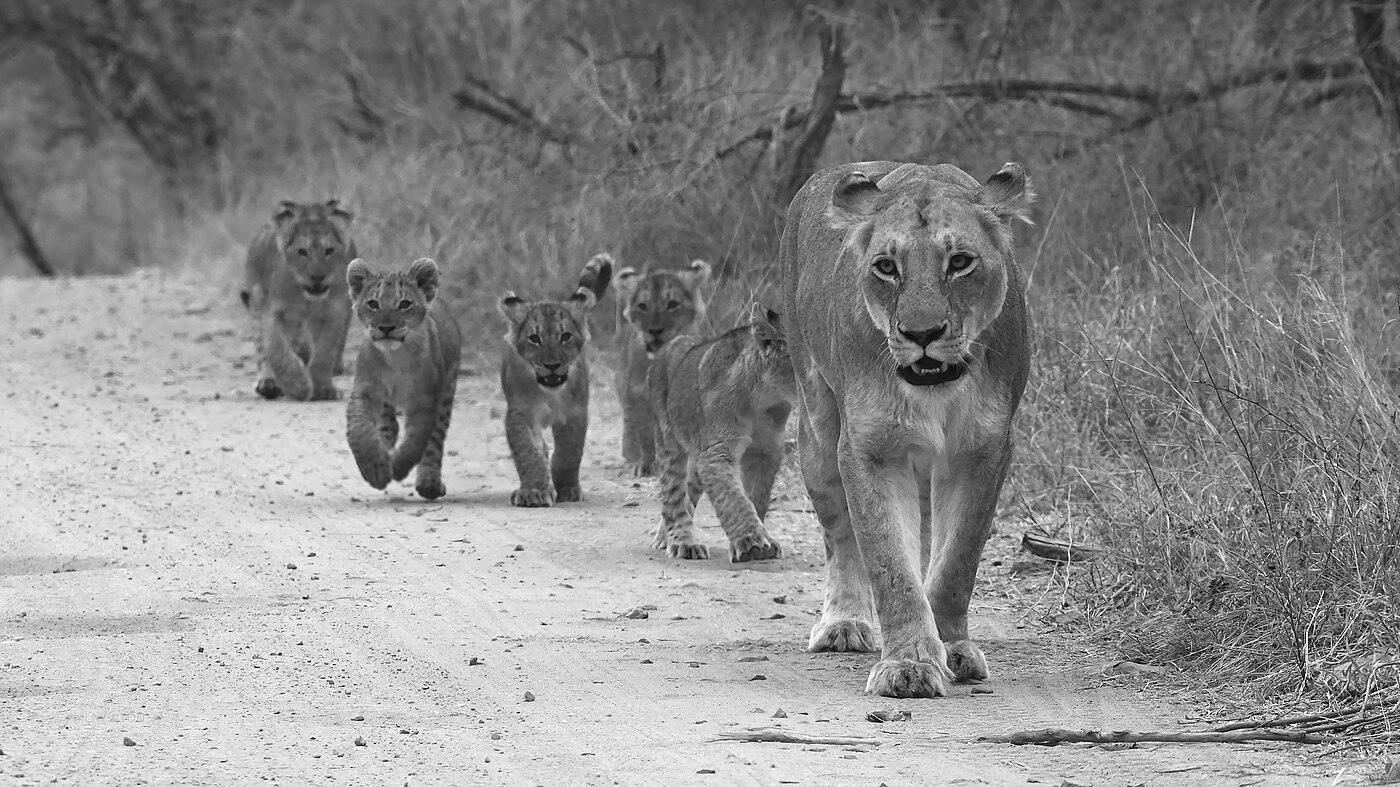
The contemporary lioness tattoo reading (maternal warrior, fierce protector of cubs, matriarchal strength) is grounded in observed biology. In most lion prides, lionesses do the majority of hunting. The pride’s social structure is female-centered; the males spend most of their time defending territory or resting. Lioness tattoos in this register typically show the animal in motion (running, crouching, or looking back toward cubs) emphasizing the active protective force rather than the resting royal strength typical of male-lion designs.
This reading doesn’t require ancient history to support it. The biology is real, the design reads clearly, and it speaks directly to contemporary women’s experience of protective love and fierce commitment.
Design considerations
Realistic and neo-traditional lioness tattoos work best on forearm, chest, and thigh. The face-with-body composition reads better than the isolated face, because the lioness’s sleek body (lacking the male’s mane mass) needs the body-and-movement composition to carry full visual impact. Sekhmet-inspired designs work well as full chest pieces or upper-arm compositions. Blackwork styles, using bold lines and solid shadow-fill, translate the lioness’s musculature effectively in monochrome.
See the full spirit-animal meaning: Lioness Spirit Animal .
Frequently asked
- What does a lioness tattoo mean?
- Maternal protection, fierce devotion, and matriarchal strength. Egyptian Sekhmet (lioness-headed war goddess, Amenhotep III's mortuary complex) is the deepest documented tradition. The modern reading (the lioness as mother-warrior) is also grounded in observed biology: lionesses do the majority of hunting in most prides.
- Why is the lioness a different tattoo subject from the lion?
- Sekhmet, the lion-headed war goddess of Egyptian tradition (Pinch, Handbook of Egyptian Mythology, 2002), is a lioness, not a lion. The Egyptian tradition keeps the male and female forms distinct: gentle Bastet (cat or lioness) vs ferocious Sekhmet (lioness). In African savanna ecology, lionesses are the hunters; lions defend territory. The modern lioness tattoo trend (mother-of-cubs, protective-ferocity) draws on both the Egyptian Sekhmet substrate and the behavioral-ecology reading.
- Is the lioness associated with specific cultural traditions?
- Yes. Egyptian: Sekhmet, Mut, Tefnut (all lioness-headed). Maasai oral tradition treats lionesses as the model for women warriors (Tepilit Ole Saitoti, The Worlds of a Maasai Warrior, 1986). The Indian Durga riding her lion (or tiger) is associated with this protective-ferocity reading. A lioness tattoo can sit in any of these lineages depending on the iconographic conventions chosen.
Sources
- MUSEUM British Museum, Sekhmet statues (Amenhotep III complex)
- PEER-REVIEWED Richard Wilkinson, The Complete Gods and Goddesses of Ancient Egypt . Thames & Hudson, 2003.
- PEER-REVIEWED Geraldine Pinch, Handbook of Egyptian Mythology . ABC-CLIO, 2002.
- PRIMARY Tepilit Ole Saitoti, The Worlds of a Maasai Warrior . Random House, 1986.
- REFERENCE Devdutt Pattanaik, 7 Secrets of the Goddess . Westland, 2014.