Tattoo Meaning
Panda Tattoo Meaning: Modern Cute-Peace Imagery, WWF Conservation Symbolism
Panda tattoo meaning: modern cute-peace imagery, WWF conservation symbolism, and the honest absence of ancient Chinese panda tradition.
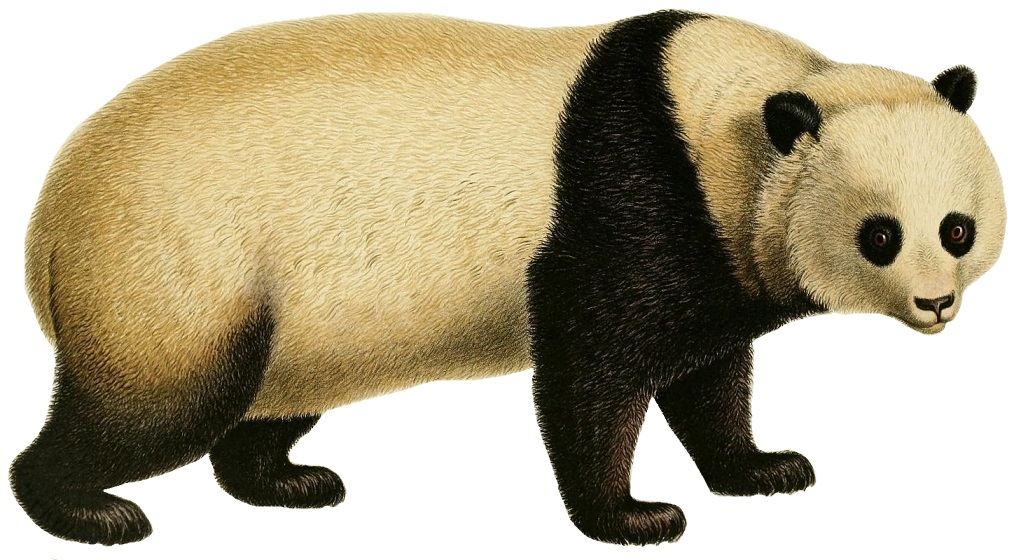
Panda tattoos are almost entirely modern: cute-gentle-peace reading via the WWF logo (1961, Sir Peter Scott), Mao's panda diplomacy era (1957–1982), and 21st-century watercolor / minimalist-linework aesthetics. Classical Chinese tradition has almost no panda material, the panda was not a culturally significant animal in Chinese history, despite the modern assumption. The WWF logo and global conservation narrative created the panda's symbolic weight from scratch in the second half of the 20th century.
The panda tattoo is unusual among animal tattoo designs because its symbolic meaning is almost entirely a 20th-century creation, and the creation story is specific and interesting.
The WWF and the panda’s modern symbolism
Sir Peter Scott, the British conservationist and painter, co-founded the World Wildlife Fund (now WWF) in 1961 and designed its panda logo. The choice was pragmatic as much as symbolic: the giant panda was visually striking, globally appealing, sexually ambiguous enough to avoid culturally specific male/female associations, and genuinely endangered. The logo worked. It became one of the most recognized organizational symbols in the world.
The giant panda’s symbolic meaning in Western culture (gentle, peaceful, rare, worth protecting) descends almost entirely from the WWF logo and the conservation narrative that surrounded it. This is not ancient symbolism; it is 1961. Any panda tattoo carries this conservation layer, whether the wearer is aware of it or not.
The classical Chinese absence
The yin-yang reading of the panda (black and white as balance) is a natural Western association but not a classical Chinese one. The giant panda was not a culturally significant animal in Chinese history in the way that the dragon, phoenix, tiger, or koi were. It lived in remote mountain bamboo forests and rarely appeared in Chinese cultural material before modern times. Henri Milne-Edwards’s Western scientific description of the species (1868–74) formalized its existence for European science; it remained obscure in global culture until the 20th century.
Panda tattoos that draw on “ancient Chinese panda symbolism” are drawing on symbolism that doesn’t exist in the classical record.
Panda diplomacy
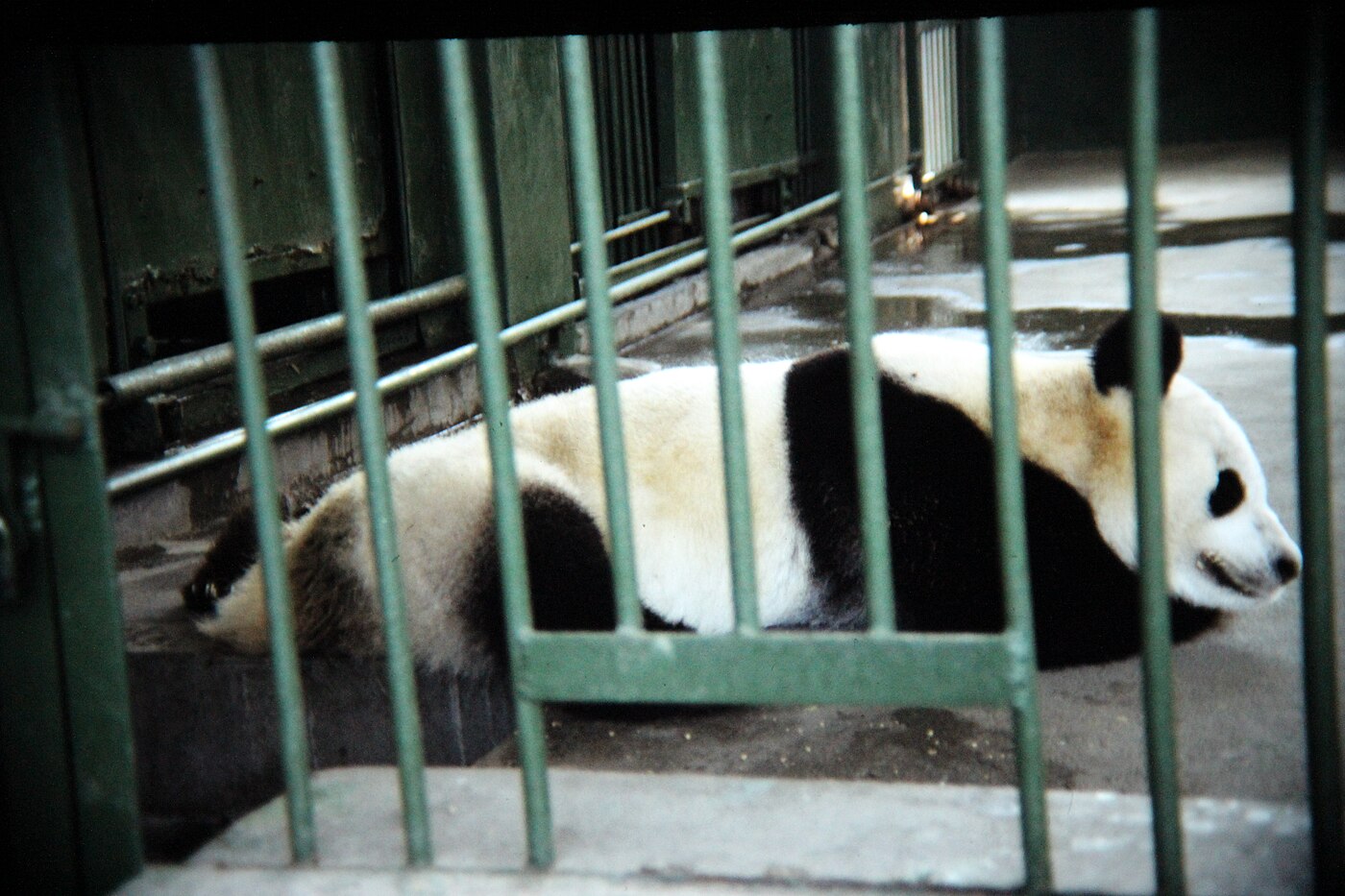
From 1957 to 1982, the People’s Republic of China gifted giant pandas to foreign governments as a form of high-level diplomacy, “panda diplomacy.” These gifts went to the Soviet Union, the United States (1972, to the National Zoo in Washington as part of Nixon’s opening to China), Japan, France, the UK, and others. The panda’s association with Chinese national identity and international goodwill enters the cultural record directly through these diplomatic gifts.
Design styles
Watercolor and minimalist linework panda tattoos dominate current popularity, the black-and-white patterning of the giant panda is naturally high-contrast and graphic, making it easier to render in simplified styles than most other large mammals. Realistic panda tattoos require careful rendering of fur texture and the subtle gradation at the color boundaries. Kawaii-style chibi panda designs (simplified, large-eyed) are common for smaller, lighter-toned pieces.
Placement
The panda works at a wide range of scales. Minimalist forearm and ankle designs use simple silhouette or face-only forms. Realistic back or thigh pieces allow full-body compositions showing the panda in its characteristic seated-bamboo-eating posture.
See the full spirit-animal meaning: Panda Spirit Animal .
Frequently asked
- What does a panda tattoo mean?
- Gentleness, peace, balance, and conservation. The yin-yang black-and-white reading is a 20th-century Western interpretation not grounded in classical Chinese tradition. The honest history: the giant panda barely appears in classical Chinese sources and became a globally significant symbol only after the WWF adopted it as its logo in 1961.
- Why does the panda have almost no classical mythological substrate?
- George Schaller's five-year field study at Wolong Nature Reserve (The Last Panda, University of Chicago Press, 1994) confronts the question directly: why does a species endemic to Chinese mountain forests for millions of years have almost no presence in classical Chinese mythology? Pandas were geographically isolated to small bamboo-forest pockets and rarely encountered by the historical centers of Chinese culture. The panda's symbolic charge is overwhelmingly modern, post-1972 (the Nixon visit and the giant panda diplomacy that followed).
- What does a panda tattoo carry today, then?
- Most modern panda tattoos draw on three substrates: the 20th-century giant-panda diplomacy and conservation iconography (the WWF logo since 1961), the contemporary cuteness-culture (kawaii) overlap, and a Daoist yin-yang reading that the panda's black-and-white pattern invites by visual coincidence. None of these is rooted in ancient Chinese symbolic tradition. A panda tattoo is, more honestly, a modern image with modern resonances.
Sources
- PEER-REVIEWED Stephen O'Brien, Tears of the Cheetah . Thomas Dunne Books / St. Martin's Griffin, 2003.
- REFERENCE WWF founding (1961), Peter Scott archive . WWF International, Gland, Switzerland.
- PEER-REVIEWED George B. Schaller, The Last Panda . University of Chicago Press, 1994.
- PEER-REVIEWED Henry Nicholls, The Way of the Panda: The Curious History of China's Political Animal . Pegasus Books, 2011.
- REFERENCE WWF, The Panda Logo: 1961 . World Wildlife Fund corporate history.