Tattoo Meaning
Phoenix Tattoo Meaning: Japanese Hō-ō, Chinese Fenghuang, and the Western Rising-From-Ashes
Phoenix tattoo meaning: Japanese hō-ō (鳳凰) irezumi body-suit companion to the dragon, Chinese fenghuang imperial-consort symbolism, and the Western rising-from-ashes resurrection reading from Ovid and 1 Clement.
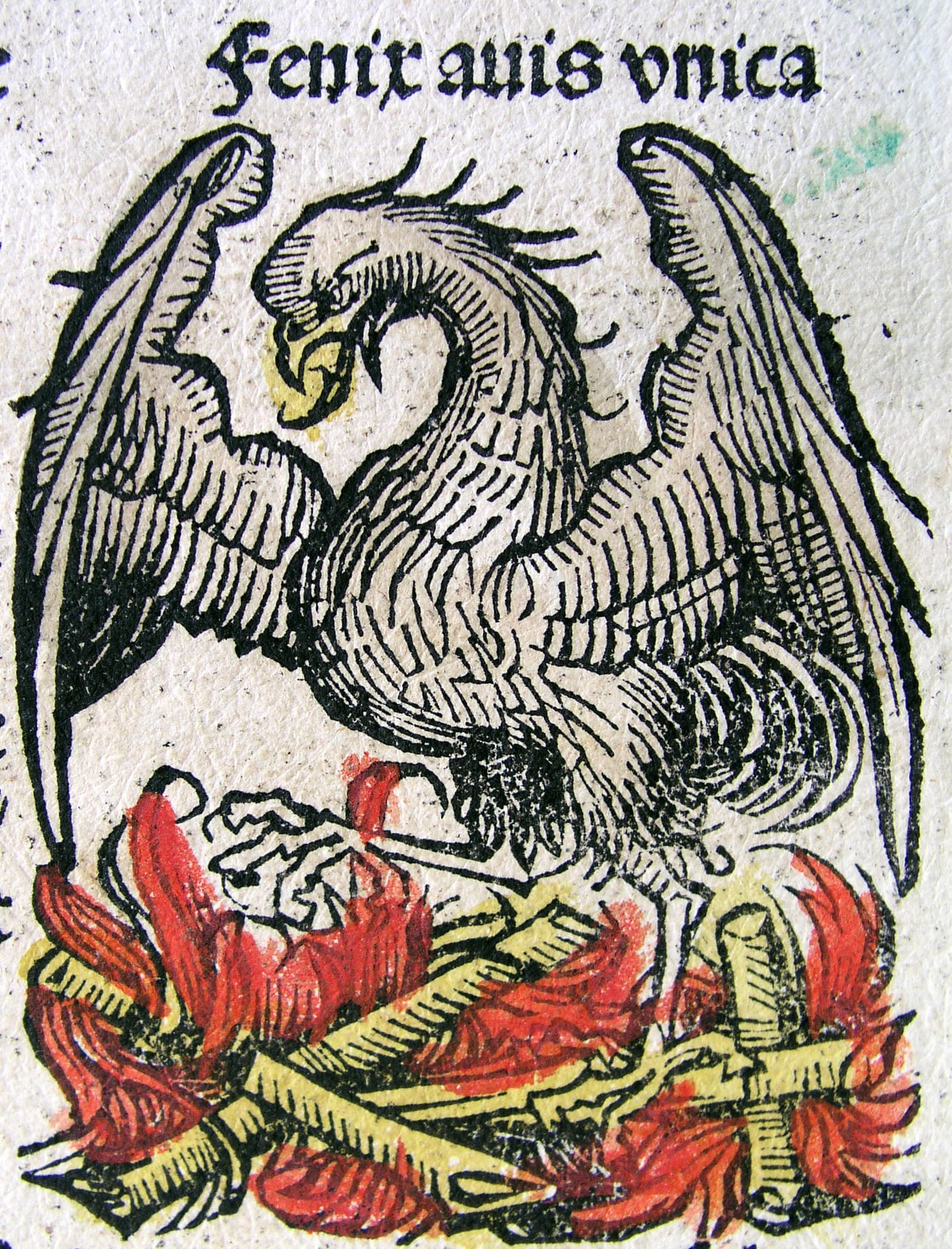
Phoenix tattoos carry three distinct registers. Japanese hō-ō (鳳凰) is a standard irezumi body-suit companion to the dragon, representing empress-feminine-virtue balance. Chinese fenghuang carries parallel imperial-consort symbolism. Western rising-from-ashes phoenix (Ovid Metamorphoses 15.391–407 + 1 Clement 25 early Christian appropriation + medieval Physiologus) is the resurrection-and-renewal reading. Each is a different design with different source material.
The phoenix is one of the few tattoo designs that is simultaneously universal in its meaning and specific in its source material. Rebirth from destruction. Coming back from what should have been the end. The design works in almost any context, but understanding which phoenix you’re drawing on changes everything about the visual choices.
The Western rising-from-ashes phoenix
The Mediterranean phoenix appears in Herodotus’s Histories 2.73 as an Egyptian bird (likely the Bennu, the heron of Heliopolis) that comes to Heliopolis every five hundred years to bury its father. Ovid’s Metamorphoses 15.391–407 gives the most complete poetic version: the phoenix builds a nest of spice in the tops of a palm tree, incubates it with its own vital warmth, dies, and is reborn from its own ashes. 1 Clement 25 (c. 96 CE) adopted the phoenix explicitly as a symbol of Christian resurrection, one of the earliest uses of a pagan image to argue for the bodily resurrection of the dead.
The medieval Physiologus and bestiaries carried the phoenix through European Christian symbolism into the Renaissance and beyond. The rising-from-ashes phoenix that dominates Western tattoo culture (the flames, the upward emergence, the sense of survival against destruction) is this tradition, compressed and stripped of its source material but still carrying the same essential meaning.
Japanese hō-ō
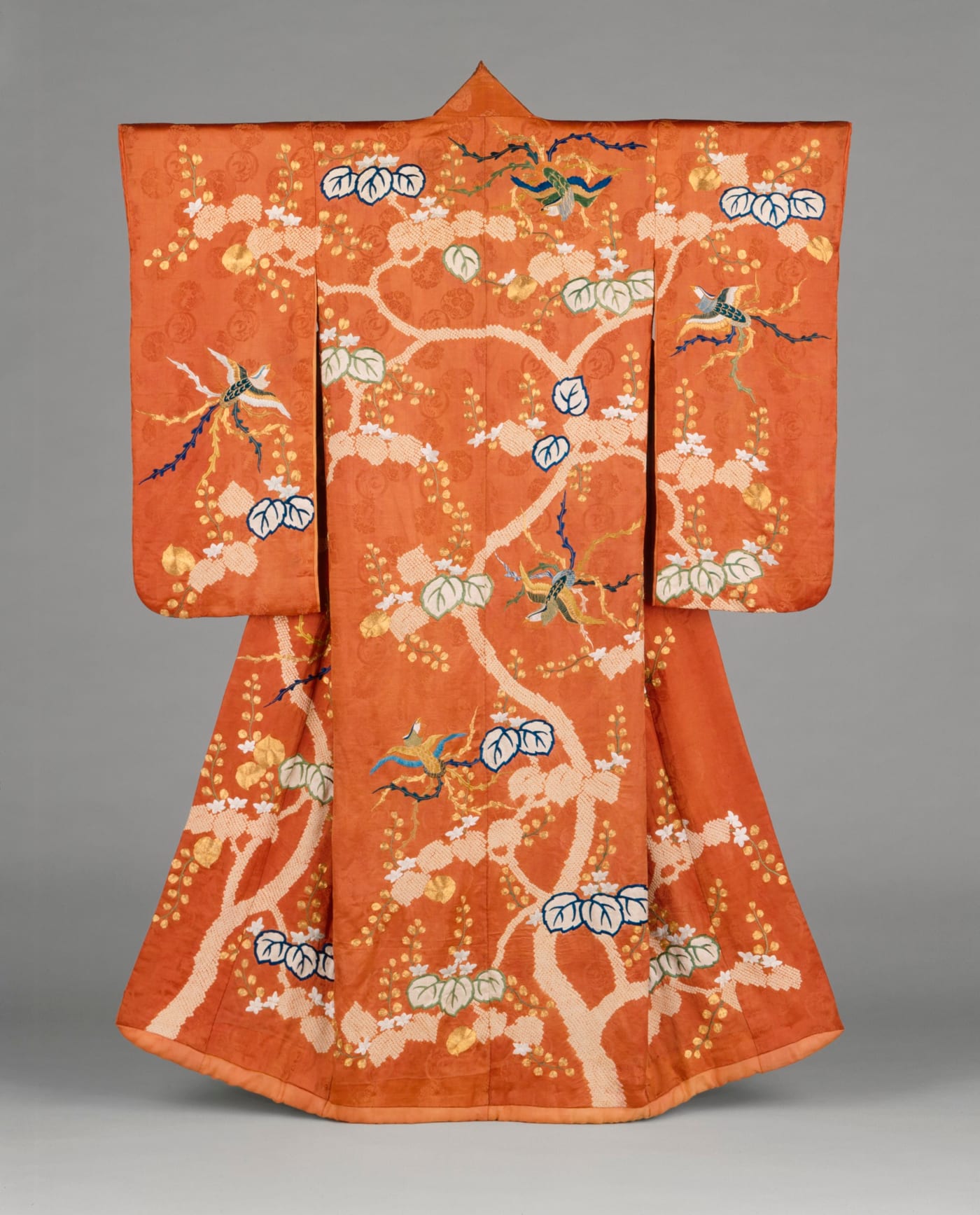
The Japanese phoenix (hō-ō (鳳凰), also written 鳳 (hō) for the male and 凰 (ō) for the female) is a different creature from the Mediterranean firebird. It is a composite auspicious bird combining features of multiple birds: the head of a pheasant, the neck of a crane, the chest of a swallow, the back of a tortoise, the tail of a fish. It descends from the Chinese fenghuang tradition. In Japanese irezumi, the hō-ō is the standard feminine-paired counterpart to the dragon: where the dragon is masculine-water-strength, the hō-ō is feminine-sky-virtue. Body-suit compositions pair the dragon on one side of the body with the hō-ō on the other.
Takahiro Kitamura’s Tattoos of the Floating World (Hotei, 2003) documents how the hō-ō compositional conventions developed in Japanese tattoo tradition. The design is typically rendered in red and gold, with elaborate plumage, and occupies back panels, full sleeves, or chest compositions.
Chinese fenghuang
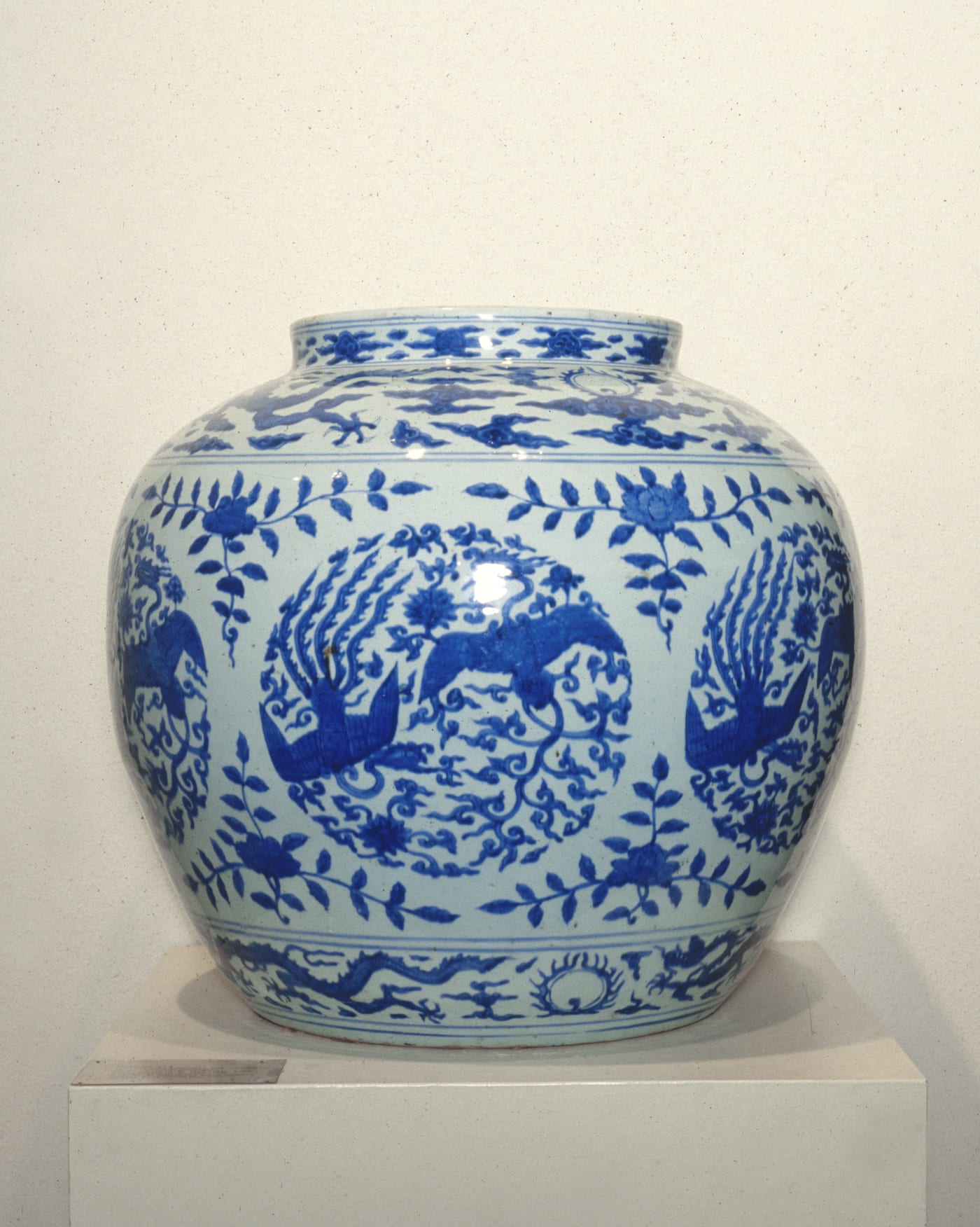
The Chinese fenghuang (鳳凰) is the auspicious composite bird of imperial symbolism, the empress’s emblem, paired with the emperor’s dragon. It represents virtue, benevolence, and cosmic order. Fenghuang-style designs are used in traditional Chinese wedding textiles, ceramics, and decorative arts. A fenghuang tattoo in Chinese-traditional-style places the wearer in this imperial-consort symbolic tradition.
Design and placement
Western phoenix tattoos in neo-traditional style typically show the bird in upward flight, surrounded by stylized flames, with dramatic wing spread. They work best at medium to large scales, the upward-motion composition needs vertical space, making back panels, full sleeves, and thigh placements ideal. Smaller phoenix tattoos that compress the upward-motion composition tend to lose the design’s central quality.
See the full spirit-animal meaning: Phoenix Spirit Animal .
Frequently asked
- What does a phoenix tattoo mean?
- Depends which phoenix. Japanese hō-ō = empress-feminine-virtue paired with the dragon. Chinese fenghuang = imperial-consort symbolism. Western rising-from-ashes phoenix = resurrection and renewal from the Ovid-to-Christian-to-medieval tradition. Choose deliberately; these are different birds.
- What's the difference between phoenix and fenghuang?
- The Mediterranean phoenix (Herodotus 2.73, Ovid Met. 15.391–407, 1 Clement 25) is the firebird that dies and is reborn from its own ashes, a single creature, alone, cyclically dying and self-resurrecting. The Chinese fenghuang (鳳凰) is a composite auspicious bird paired with the lóng (dragon) as imperial and imperial-consort symbolism respectively. Calling both 'phoenix' in English is a translation-flattening that erases the distinction.
- What is the Egyptian bennu and how does it differ from the Greek phoenix?
- The bennu is the Egyptian original: a heron-like bird that alighted on the primordial mound at the moment of creation and whose cry broke the primeval silence, linked to Ra and the cult at Heliopolis. The Greek phoenix (phoinix in Herodotus 2.73) borrowed and transformed the figure into the cyclical-rebirth bird that burns and rises from its own ashes. The Egyptian original is closer to a creation-bird, the Greek inheritor closer to a resurrection-bird. Geraldine Pinch traces the lineage in Handbook of Egyptian Mythology.
Sources
- PEER-REVIEWED Takahiro Kitamura, Tattoos of the Floating World . Hotei, 2003.
- PRIMARY Ovid, Metamorphoses 15.391–407 . Loeb Classical Library.
- PRIMARY 1 Clement 25 (phoenix resurrection narrative) . Lake trans., Apostolic Fathers 1, Loeb, 1912.
- PRIMARY Herodotus, Histories 2.73 . Loeb Classical Library.
- PEER-REVIEWED Geraldine Pinch, Handbook of Egyptian Mythology . ABC-CLIO, 2002.
- PRIMARY Pliny the Elder, Natural History 10.2 . Loeb Classical Library.