Tattoo Meaning
Raven Tattoo Meaning: Norse Huginn-Muninn, Haida Northwest Coast, Poe's Raven, and Gothic
Raven tattoo meaning: Norse Odin-Huginn-Muninn imagery, Haida Northwest Coast formline (cultural-sensitivity notes), Edgar Allan Poe's 1845 poem, Gothic-blackwork.
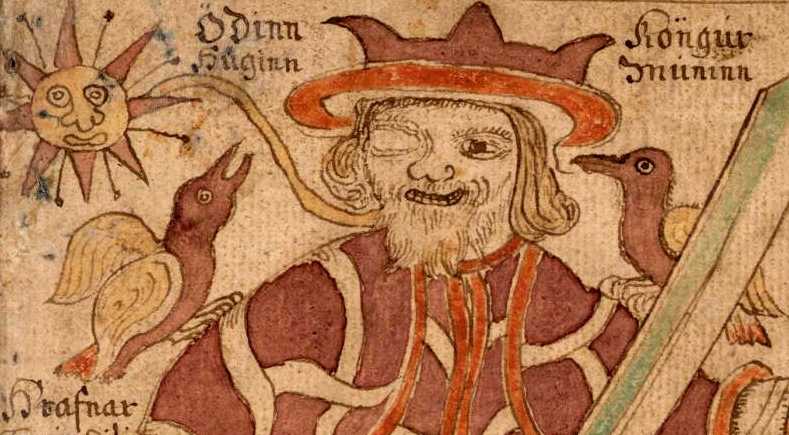
Raven tattoos most commonly mean memory, thought, death, and mystery. Specific registers: Norse Huginn-Muninn (Odin's two ravens in Grímnismál 20, named Thought and Memory); Haida Northwest Coast formline (Raven as creator-trickster, documented in Bringhurst's A Story as Sharp as a Knife; cultural-sensitivity concerns apply); Poe's 1845 The Raven (Gothic-American literary imagery).
The raven tattoo operates in multiple traditions that have almost nothing to do with each other except that they converge on the same bird and some of the same qualities. Conflating them in a single design is a form of cultural compression worth avoiding.
Norse Huginn and Muninn
In Grímnismál 20 of the Poetic Edda, Odin names his two ravens: Huginn (Thought) and Muninn (Memory). They fly out over the world each morning and return each evening to sit on his shoulders and whisper what they have seen. The Prose Edda (Gylfaginning chapter 38) expands this: Odin says he worries more about Muninn’s return than Huginn’s, memory is more precious and more fragile than thought.
This is the Norse Huginn-Muninn tradition: two ravens, specific names, specific qualities, specific narrative function. They are Odin’s intelligence-gathering operation, his external memory and thought made into bird-form. Tattoos in this register typically show paired ravens, often flanking a runic symbol or the valknut, with the names inscribed.
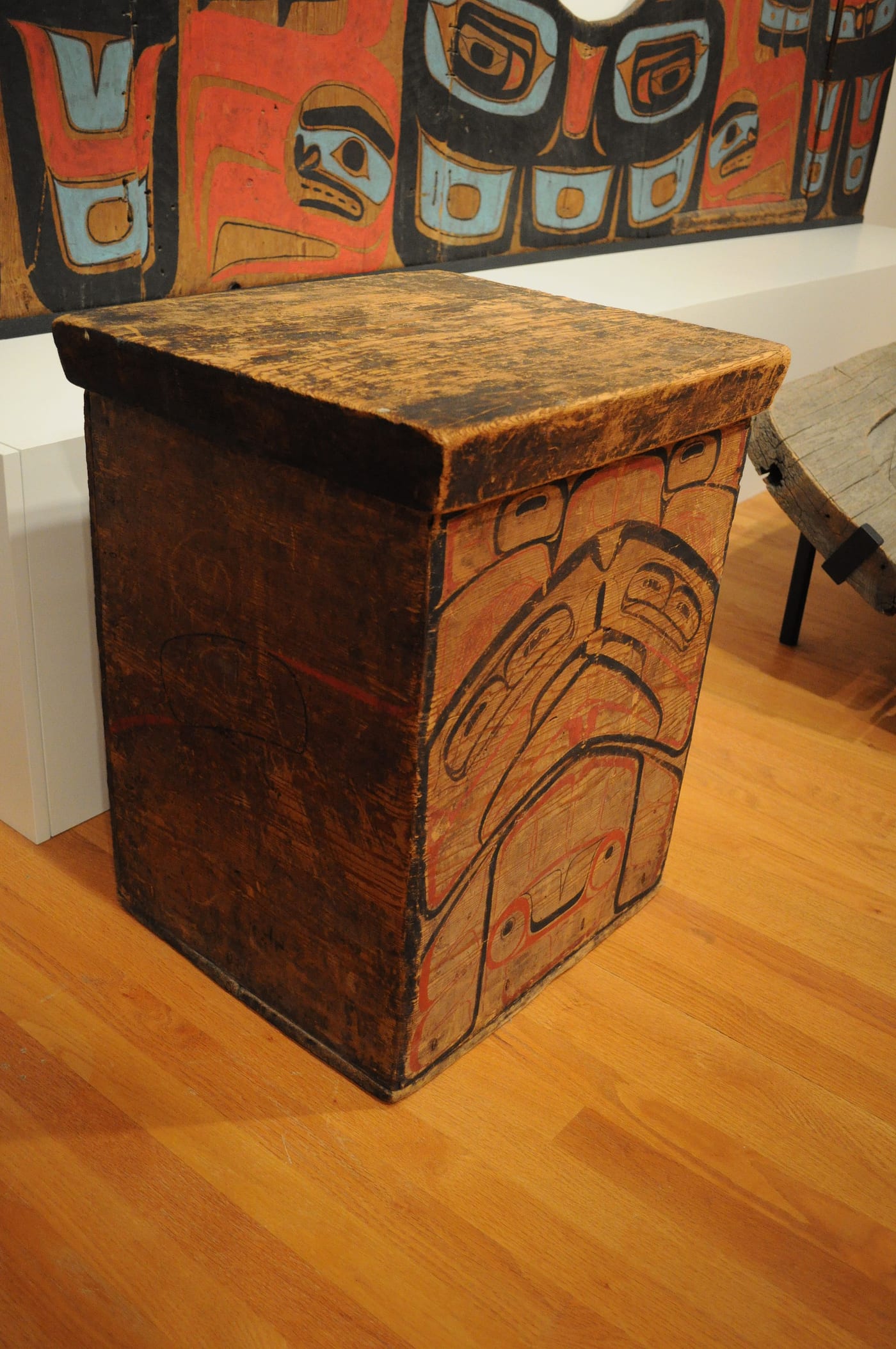
Haida and Northwest Coast Raven
Raven in Haida cosmology is the creator-trickster who brought light to the world by stealing the sun from the box in which its owner had hidden it. This narrative is one of the canonical texts of Northwest Coast oral literature, documented by John R. Swanton’s fieldwork (Smithsonian, 1905) and given literary analysis in Robert Bringhurst’s A Story as Sharp as a Knife (Douglas & McIntyre, 1999). Raven in this tradition is neither simply wise nor simply dark; it is the agent of transformation-through-disruption, the creature whose hunger and cleverness accidentally benefits everyone.
Haida formline raven designs (the black raven in the two-dimensional visual language of Northwest Coast formline art, with its characteristic ovoids and U-forms) are among the most powerful tattoo designs in the tradition. They belong to Haida, Tlingit, and related Northwest Coast nations. Engaging an Indigenous Northwest Coast artist is the respectful path; generic “tribal raven” designs that use formline aesthetics without that engagement raise appropriation concerns.
Poe’s literary raven
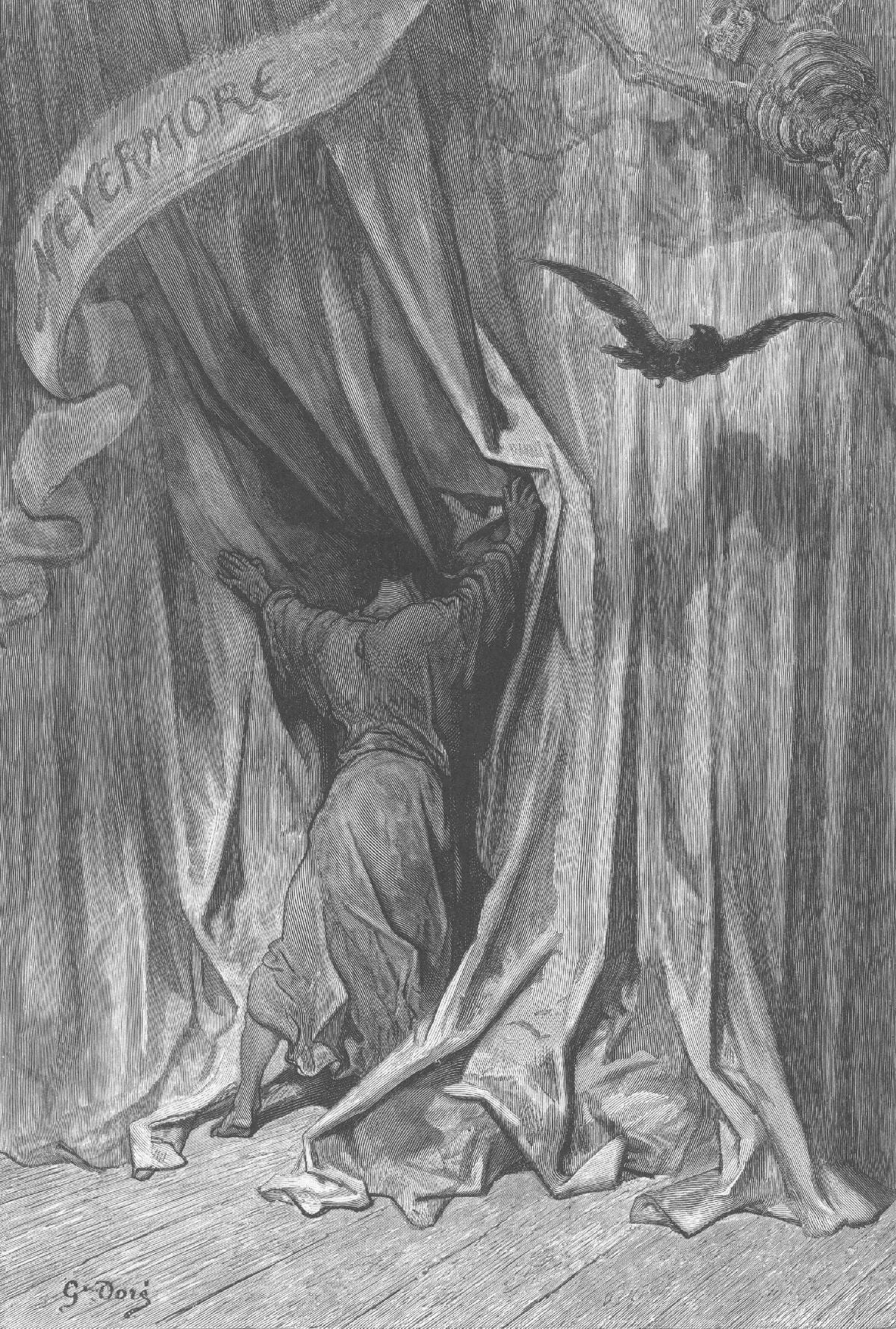
Edgar Allan Poe’s 1845 poem The Raven, published in the American Review, established the raven as the American Gothic bird of darkness, loss, and madness. The poem’s repeating “Nevermore” (the raven’s only word, giving meaningless confirmation to the narrator’s worst fears) made it the canonical American literary raven. This is the raven as symbol of grief that won’t release, of obsession, of the dark thoughts that return regardless of how many times you try to dispel them.
Gothic blackwork raven tattoos typically operate in this literary register, whether or not the wearer has read the poem. A single black raven perched on a branch or skull carries this Gothic-American lineage in most contexts.
Placement
Norse-inspired paired raven designs work as shoulder, chest, or forearm pieces that allow both birds to be visible simultaneously. Haida formline raven designs need enough space for the formline’s detail, upper arm, chest, or back. Poe-register Gothic ravens work in almost any size and placement; the silhouette alone carries sufficient symbolic weight.
See the full spirit-animal meaning: Raven Spirit Animal .
Frequently asked
- What does a raven tattoo mean?
- Memory, thought, death, mystery. Three distinct registers: Norse Huginn-Muninn (Thought and Memory, Odin's information-gathering ravens); Haida creator-trickster Raven (cultural-sensitivity concerns apply); Poe's 1845 Gothic-American literary raven. The register shapes the design, they don't look the same.
- How does the Northwest Coast Raven differ from the Norse Hugin/Munin?
- Pacific Northwest Coast Raven is the trickster-creator: he steals the sun and gives it to the world, releases the salmon and the people from the clamshell at Tow Hill. Robert Bringhurst's A Story as Sharp as a Knife (1999) preserves the Haida Skaay and Ghandl cycles. Norse Hugin and Munin are Odin's thought and memory respectively (Grímnismál 20). A Northwest Coast formline raven tattoo draws on completely different cosmological material than a Norse-style raven pair.
- What did Poe contribute to the modern raven tattoo?
- Edgar Allan Poe's "The Raven" (1845) and the Victorian melancholy that followed it are the operating substrate for most American Goth and neo-traditional raven tattoos. The single black raven on a bare branch, occasionally with a moon, is Poe's composition rendered as tattoo. The Poe lineage is distinct from both the Norse Hugin/Munin pair and the Northwest Coast trickster.
Sources
- PRIMARY Poetic Edda, Grímnismál 20 . Larrington trans., Oxford World's Classics, 2014.
- PRIMARY Edgar Allan Poe, The Raven (1845) . American Review, January 1845.
- PEER-REVIEWED Robert Bringhurst, A Story as Sharp as a Knife . Douglas & McIntyre, 1999.
- EDITION Snorri Sturluson, Prose Edda (Gylfaginning) . Faulkes trans., Everyman, 1995.
- PRIMARY Norman Collins, Sailor Jerry Tattoo Flash (collected, ed. Bill Tipping) . Hardy Marks, 1994.