Tattoo Meaning
Snake Tattoo Meaning: Japanese Irezumi Hebi, Ouroboros, Caduceus / Rod of Asclepius, American Traditional
Snake tattoo meaning: Japanese irezumi hebi (蛇) body-suit designs, Ouroboros (self-consuming snake), medical Rod of Asclepius and caduceus, American traditional snake-and-dagger.
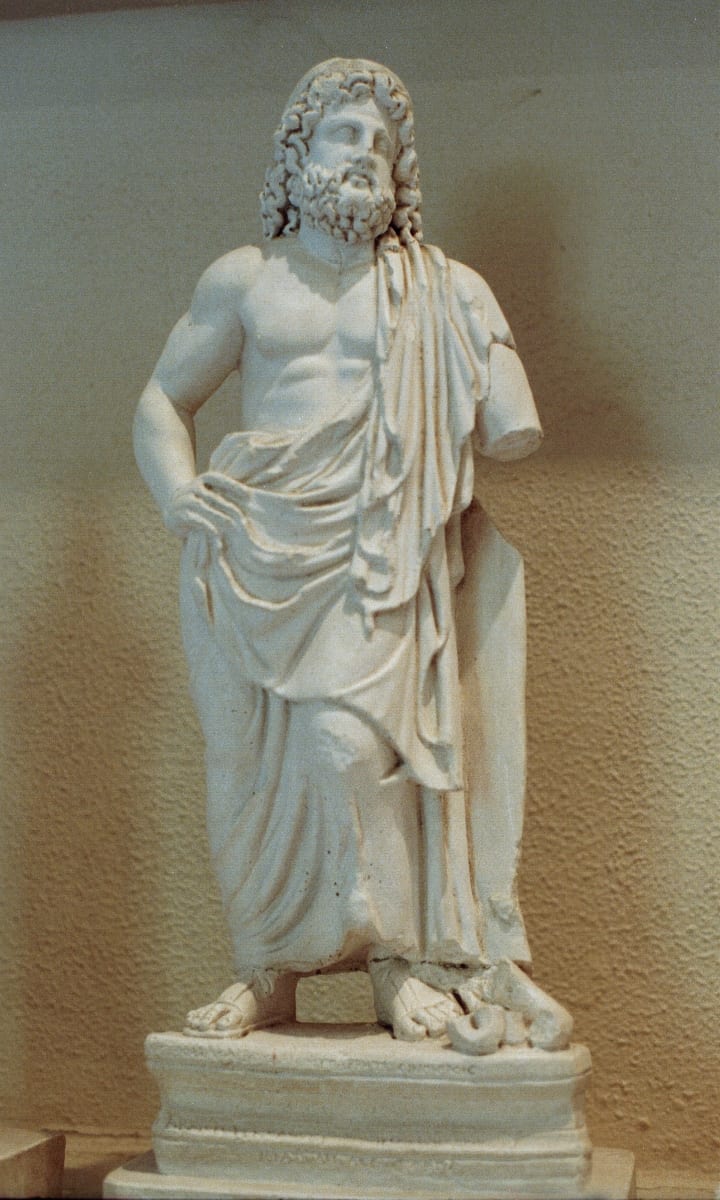
Snake tattoos carry several distinct registers. Japanese irezumi hebi (蛇) body-suit designs draw on Edo-period woodblock print aesthetics. The Ouroboros (self-consuming snake) is the Hermetic-alchemical infinity symbol, attested from the Chrysopoeia of Cleopatra (c. 2nd–3rd century CE) forward. The Rod of Asclepius (single serpent on staff) and the Hermes caduceus (two serpents on winged staff) are distinct medical-professional symbols often confused in American medical iconography. American traditional snake-and-dagger is a Sailor Jerry-era design.
The snake is the single most symbolically complex tattoo subject in the world. It carries completely opposite meanings in different cultural traditions, and the same design will be read differently by different viewers depending on their cultural background. That complexity is what makes it interesting. It is also what makes a careless snake tattoo a problem.
Japanese irezumi hebi
The Japanese snake (hebi (蛇)) is one of the canonical body-suit subjects in traditional irezumi. Japanese tattoo tradition treats the snake as an ambivalent figure: it can represent protection, good luck, and knowledge, but also jealousy, tenacity, and the dangerous feminine principle in certain contexts. The hebi is typically rendered coiled, striking, or moving through water and flowers (particularly peonies and cherry blossoms) in the compositional conventions of Edo-period woodblock print aesthetics.
Takahiro Kitamura’s Tattoos of the Floating World (Hotei, 2003) and Horiyoshi III’s published works document how the hebi functions in full-body-suit irezumi composition, particularly in full-sleeve and back-panel arrangements.
The Ouroboros
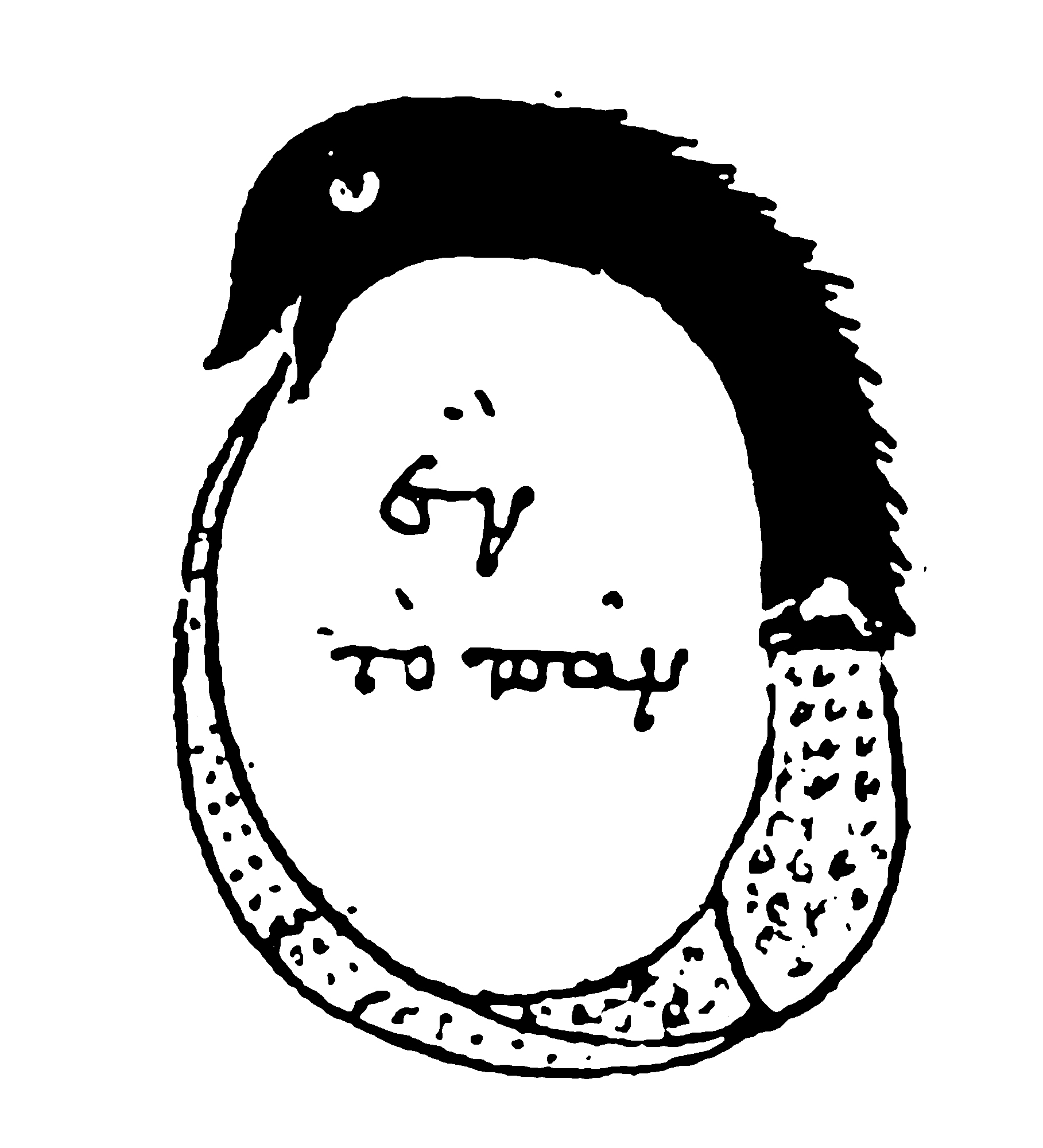
The Ouroboros (the snake eating its own tail) is attested from the Chrysopoeia of Cleopatra (c. 2nd–3rd century CE), one of the earliest alchemical texts, and from Hermetic texts of the same era. The image represents the self-consuming and self-regenerating totality: the beginning that is also the end, the cycle that has no external point of reference. Jung used the Ouroboros in his analysis of alchemical symbolism in Mysterium Coniunctionis (Collected Works 14).
Ouroboros tattoos carry this Hermetic-alchemical infinity reading. They work as circular compositions on the wrist, forearm, or ankle, the design’s self-completeness makes it a natural armband or ring shape.
Rod of Asclepius vs. the caduceus
The Rod of Asclepius (a single serpent coiled on a single staff) is the attribute of the Greek god of medicine, documented in Pausanias’s Description of Greece 2.27.1 and in the dream-incubation healing tradition at Epidaurus. It is the correct medical symbol, used by the WHO, the American Medical Association, and most legitimate medical organizations.
The caduceus (two serpents on a winged staff) is Hermes’s messenger-staff. It was adopted by the US Army Medical Corps in 1902 through a clerical error, and the confusion persists in American medical iconography. Medically-themed snake tattoos that use the caduceus for healing intentions are accidentally invoking a commercial-and-messenger symbol rather than a healing one. It matters if you care about precision.
American traditional
The American traditional snake-and-dagger is a Sailor Jerry-era design: a coiled or striking snake wrapped around a dagger or sword, usually rendered in limited palette with bold black outlines. The design carries the aggressive edge of the snake as danger, the snake with a weapon, or as a weapon. Common in military-adjacent and working-class tattoo traditions.
Genesis and the adversarial tradition
In Western cultural contexts shaped by the Genesis 3 serpent, a snake tattoo inevitably invites the adversarial reading, the deceiver, the tempter, the agent of the Fall. Some wearers want this charge; others don’t. A Genesis 3-resonant snake tattoo read as personal symbol can signal self-awareness about one’s shadow qualities. Read by others, it can land as self-identification with deception. Know your audience.
Placement
The snake’s natural elongation makes it ideal for arm and leg wraps, full-sleeve coiled snakes, forearm wraps, leg wraps from ankle to thigh. The striking-head composition works as a forearm or chest piece where the direction of the strike can be oriented meaningfully (toward the viewer vs. away). The Ouroboros works as a wrist or ankle armband.
See the full spirit-animal meaning: Snake Spirit Animal .
Frequently asked
- What does a snake tattoo mean?
- Depends sharply by tradition. Genesis 3 = deceiver. Rod of Asclepius (Pausanias 2.27.1) = healing. Hindu-Buddhist nāga = protective, associated with water and the earth. Mesoamerican Quetzalcóatl = feathered-serpent creator deity. Japanese hebi = irezumi body-suit element. Ouroboros = Hermetic infinity/cycle.
- What's the difference between the Rod of Asclepius and the caduceus?
- The Rod of Asclepius has one serpent on a single staff and is the Greek medical god's attribute. The caduceus has two serpents on a winged staff and is Hermes's messenger-staff. The common American medical-association of the caduceus with medicine is a 19th-century error; the correct medical symbol is the Rod of Asclepius.
- What is the Sailor Jerry rose-and-snake tattoo?
- Norman "Sailor Jerry" Collins formalized the rose-and-snake (or rose-and-dagger-and-snake) composition in American Traditional tattooing: the snake coils through the rose, the rose blooms despite the snake's threat. The composition encodes temptation-as-beauty, the awareness that desire and danger are entangled. The Sailor Jerry Flash collected by Bill Tipping (1994) catalogs the canonical variants.
- How does Japanese irezumi treat the snake?
- In Japanese tradition, the hebi (蛇) is associated with water deities, fertility, and protection. White snakes are particularly auspicious and are associated with the goddess Benzaiten. Snake tattoos in irezumi are typically paired with peonies (for refinement) or chrysanthemums (for autumn-season association). The composition vocabulary traces to Kuniyoshi and Kunisada woodblock prints.
Sources
- PEER-REVIEWED Takahiro Kitamura, Tattoos of the Floating World . Hotei, 2003.
- PRIMARY Pausanias, Description of Greece 2.27.1 . Loeb Classical Library.
- PRIMARY Horiyoshi III, Japanese Tattoos: History, Culture, Design . Tuttle, 2017.
- PRIMARY Norman Collins, Sailor Jerry Tattoo Flash (collected, ed. Bill Tipping) . Hardy Marks, 1994.
- PRIMARY Utagawa Kuniyoshi, Suikoden series (c. 1827–1830) . Woodblock prints.