Tradition · South and East Asia
Buddhist Jātaka: The 547 Prior-Life Tales of the Buddha
The Buddhist Jātaka tradition: 547 canonical prior-life narratives of the Buddha, many featuring the Buddha in animal form. Cowell's Cambridge translation, Bharhut and Sanchi stūpa relief panels, and the ongoing contemporary significance across Theravāda, Mahāyāna, and Vajrayāna Buddhism.
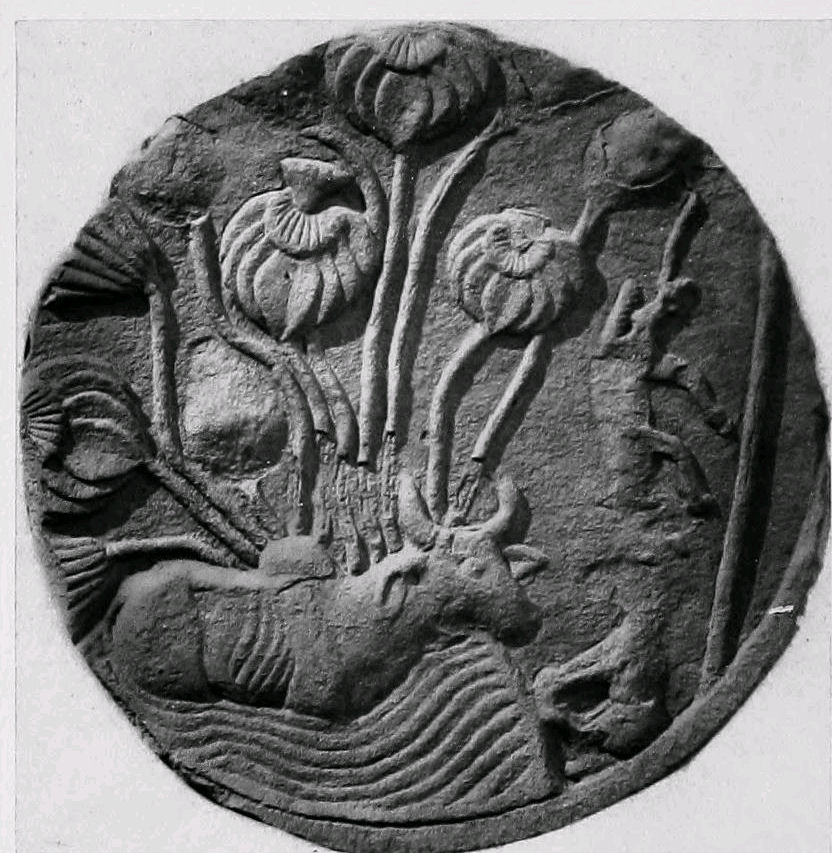
The Jātaka is the canonical collection of 547 prior-life narratives of the Buddha, preserved in the Pāli canon's Khuddaka Nikāya. Many Jātaka tales feature the Buddha in animal form as bodhisatta: the Banyan Deer (Jātaka 12), the monkey-king who saves his troop (Jātaka 407), the white elephant Chaddanta (Jātaka 514), the hare who sacrifices itself (Jātaka 316), and dozens of others. E.B. Cowell's six-volume Cambridge University Press Jātaka (1895–1907, revised by Naomi Appleton 2020) is the standard English translation. Bharhut and Sanchi stūpa relief panels (2nd–1st century BCE) preserve the earliest Buddhist visual tradition of the tales.
The Jātaka tradition is one of the great bodies of Buddhist narrative literature: 547 canonical prior-life tales of the Buddha, many featuring him in animal form. The Pāli Jātaka is in the Khuddaka Nikāya of the Pāli canon; parallel Sanskrit traditions (Avadānaśataka, Āryaśūra’s Jātakamālā) preserve additional material. The earliest Buddhist visual representations of the tales are on the Bharhut and Sanchi stūpas, both 2nd–1st century BCE.
The animal Jātakas
Nigrodhamiga (Banyan Deer, Jātaka 12). The Buddha in a former life is a deer-king who offers his life to save a pregnant doe scheduled for the royal kitchen. The deer as self-sacrificing protector is one of the central animal images across multiple world religions.
Mahākapi (Great Monkey, Jātaka 407). The Buddha as monkey-king uses his own body as a bridge to save his troop from the king’s hunters.
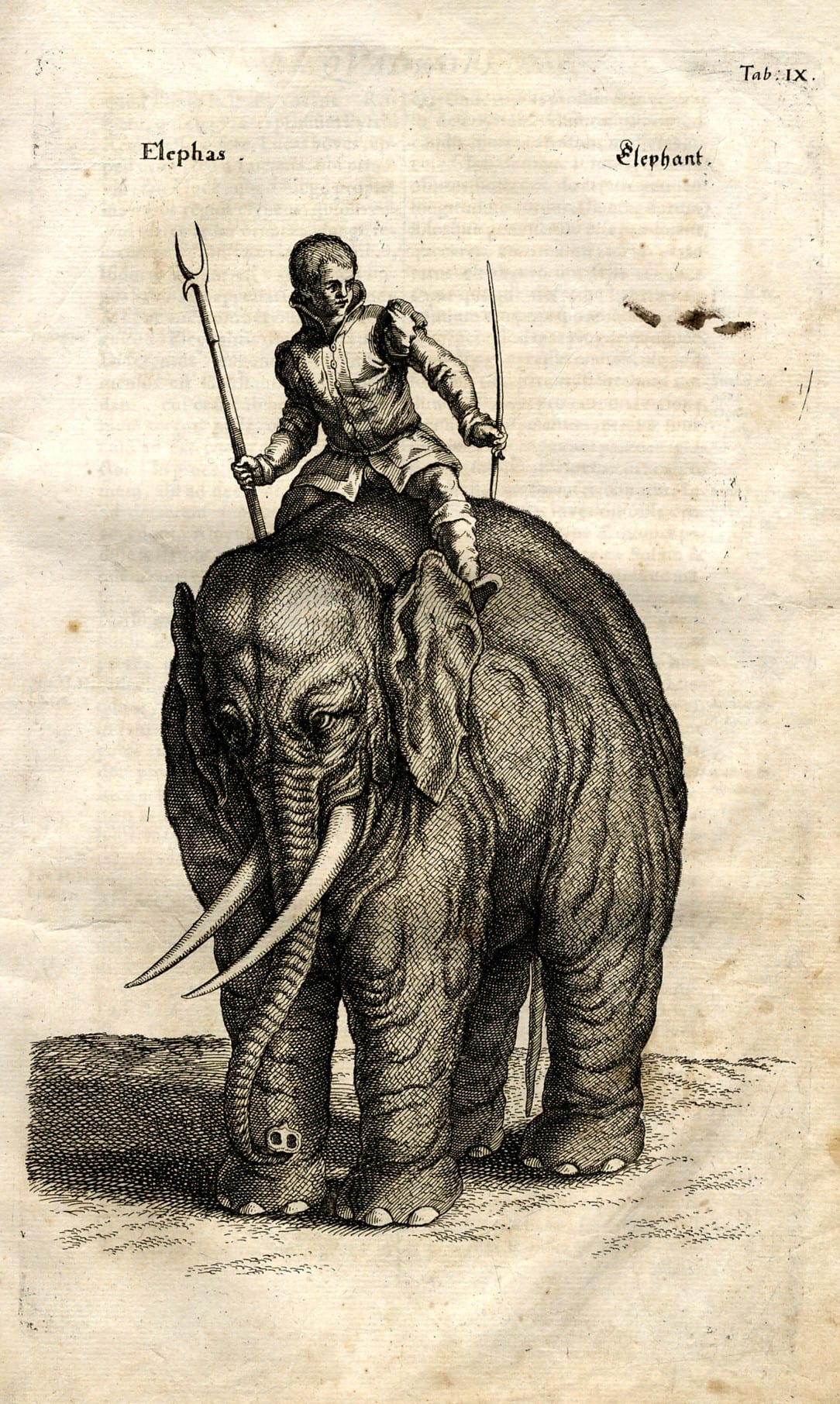
Chaddanta (Six-tusked White Elephant, Jātaka 514). The Buddha as the great white elephant whose tusks are coveted by a jealous former-consort-turned-queen. The white elephant’s sacred status in Theravāda Buddhism connects to Indra’s white elephant Airavata in Hindu iconography.
Sasa (Hare, Jātaka 316). The Buddha as a hare sacrificing itself to a beggar who is actually the god Sakka. The story explains the “rabbit in the moon” image in Buddhist iconography across East and South Asia.
The broader tradition
Each Jātaka typically illustrates one of the ten (Theravāda) or six (Mahāyāna) pāramitās (perfections): generosity, discipline, renunciation, wisdom, energy, patience, truthfulness, resolution, loving-kindness, equanimity. The animal-form narratives serve as vehicles for these ethical-spiritual teachings.
Reading the Jātaka today
E.B. Cowell’s six-volume Cambridge edition (1895–1907) is the standard English translation, revised by Naomi Appleton in 2020. Āryaśūra’s Sanskrit Jātakamālā (4th century CE) is a more polished literary version of 34 key tales; Peter Khoroche’s Once the Buddha Was a Monkey (University of Chicago Press, 1989) is the readable translation. Katherine Bowie’s Of Beggars and Buddhas (2017) is the standard contemporary ethnographic treatment of Jātaka performance across Southeast Asia.
Key terms
- bodhisatta (Pāli) / bodhisattva (Sanskrit)
- A being progressing toward buddhahood; in the Jātaka, the Buddha in his pre-awakening lives.
- jātaka
- 'Birth-story.' The Pāli name for the prior-life narrative genre.
- Nidānakathā
- The extended prologue to the Jātaka collection, narrating the Buddha's life across multiple world-cycles.
- pāramī / pāramitā
- 'Perfection.' The ten (Theravāda) or six (Mahāyāna) perfections the bodhisatta cultivates across prior lives. Each major Jātaka often illustrates a specific pāramī.
Frequently asked
- How many Jātaka tales are there?
- 547 in the canonical Pāli collection (the Jātakaṭṭhakathā or Jātaka-atthavaṇṇanā). The tales are grouped by verse-count rather than chronology, running from shortest (one-verse tales) to longest (the Mahānipāta, which includes the Vessantara Jātaka, Jātaka 547, the most important in Theravāda devotional practice). E.B. Cowell's Cambridge translation covers all 547.
- Which Jātaka tales feature animals most prominently?
- The Nigrodhamiga (Banyan Deer, Jātaka 12, in which the Buddha is a deer-king who offers his life to save a pregnant doe), Mahākapi (Great Monkey, Jātaka 407, monkey-king sacrificing for his troop), Chaddanta (six-tusked white elephant, Jātaka 514), Sasa (Hare, Jātaka 316, hare sacrificing itself to a seeming-beggar who is actually the god Sakka), and Vyaggha-Jātaka (Tiger, Jātaka 272) are among the most widely-cited.
- Where are the oldest Jātaka images?
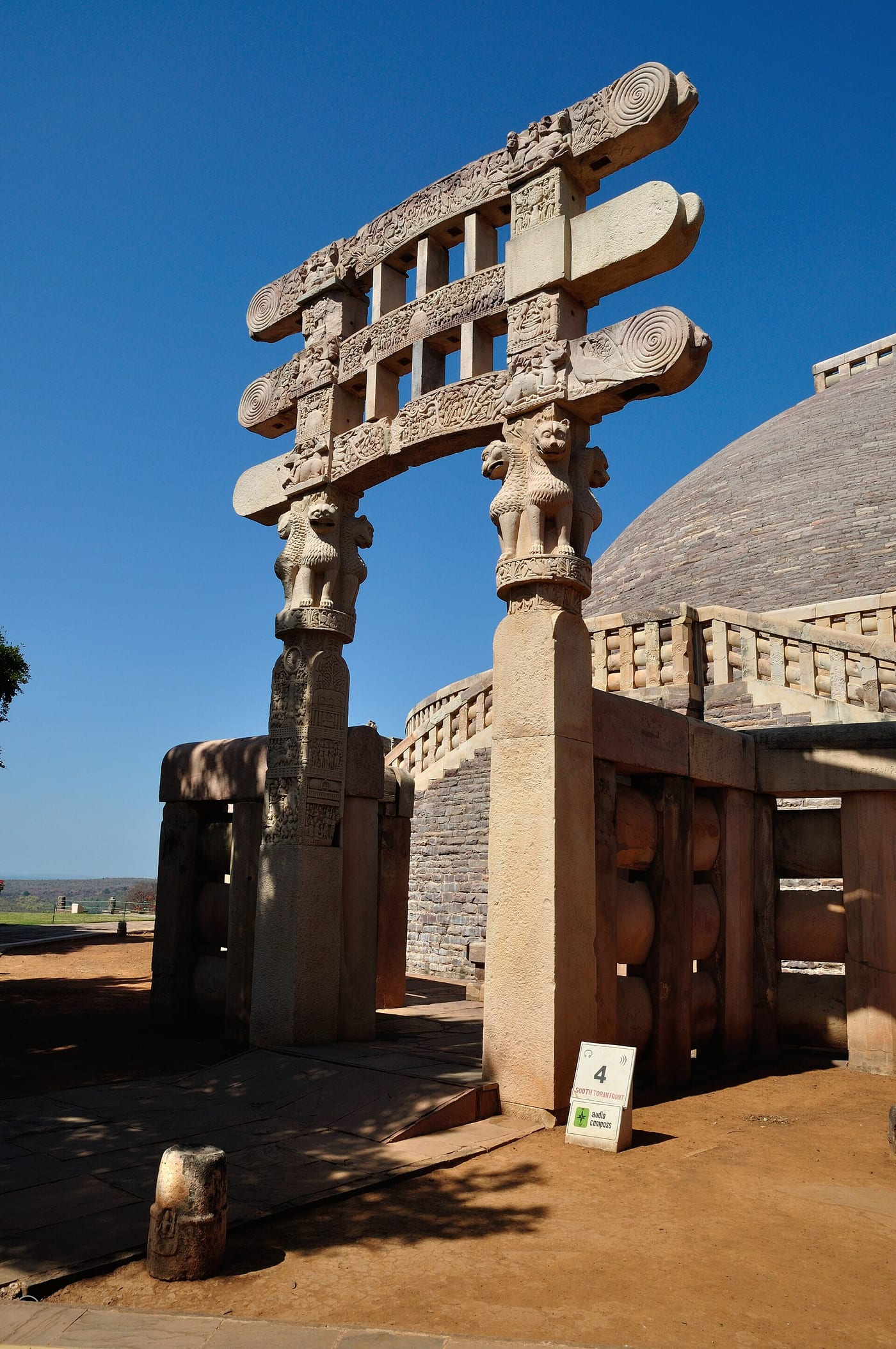
- The Bharhut stūpa in Madhya Pradesh (2nd–1st century BCE, now partly in the Indian Museum, Kolkata) and the Sanchi stūpa (2nd century BCE to 1st century CE, Madhya Pradesh, UNESCO World Heritage) both feature Jātaka narratives in carved relief. These are the earliest surviving Buddhist visual representations of the stories.
- Are Jātaka tales still read today?
- Extensively. The Vessantara Jātaka (547) is performed at annual festivals across Theravāda Southeast Asia (Thailand, Laos, Cambodia, Myanmar, Sri Lanka); Katherine Bowie's Of Beggars and Buddhas (University of Wisconsin Press, 2017) is a contemporary ethnographic treatment. Tibetan Buddhist communities read Jātaka tales as part of the Triyāna curriculum; Mahāyāna traditions preserve additional prior-life-narrative cycles (the Avadānaśataka and the Jātakamālā of Āryaśūra).
Sources
- PRIMARY The Jātaka (Pāli canonical collection) . E.B. Cowell ed., The Jātaka (6 vols.), Cambridge University Press, 1895–1907; revised Naomi Appleton, 2020.
- PRIMARY Āryaśūra, Jātakamālā . Khoroche trans. (Once the Buddha Was a Monkey), University of Chicago Press, 1989.
- MUSEUM Bharhut stūpa reliefs . Indian Museum, Kolkata; 2nd–1st c. BCE.
- MUSEUM Sanchi stūpa . UNESCO World Heritage; Archaeological Survey of India.
- PEER-REVIEWED Katherine A. Bowie, Of Beggars and Buddhas . University of Wisconsin Press, 2017.
- PEER-REVIEWED Naomi Appleton, Jātaka Stories in Theravāda Buddhism . Ashgate, 2010.