Tradition · Ancient Egypt
Egyptian Theriomorphic Deities: The Animal-Headed Gods from Horus to Anubis to Sekhmet
Egyptian theriomorphic (animal-form or animal-headed) deities: Horus the falcon, Anubis the jackal, Sekhmet the lioness, Sobek the crocodile, Bastet the cat, Heqet the frog, Thoth the ibis, Khepri the scarab, Taweret the hippopotamus, and dozens more, across three millennia of continuous tradition.
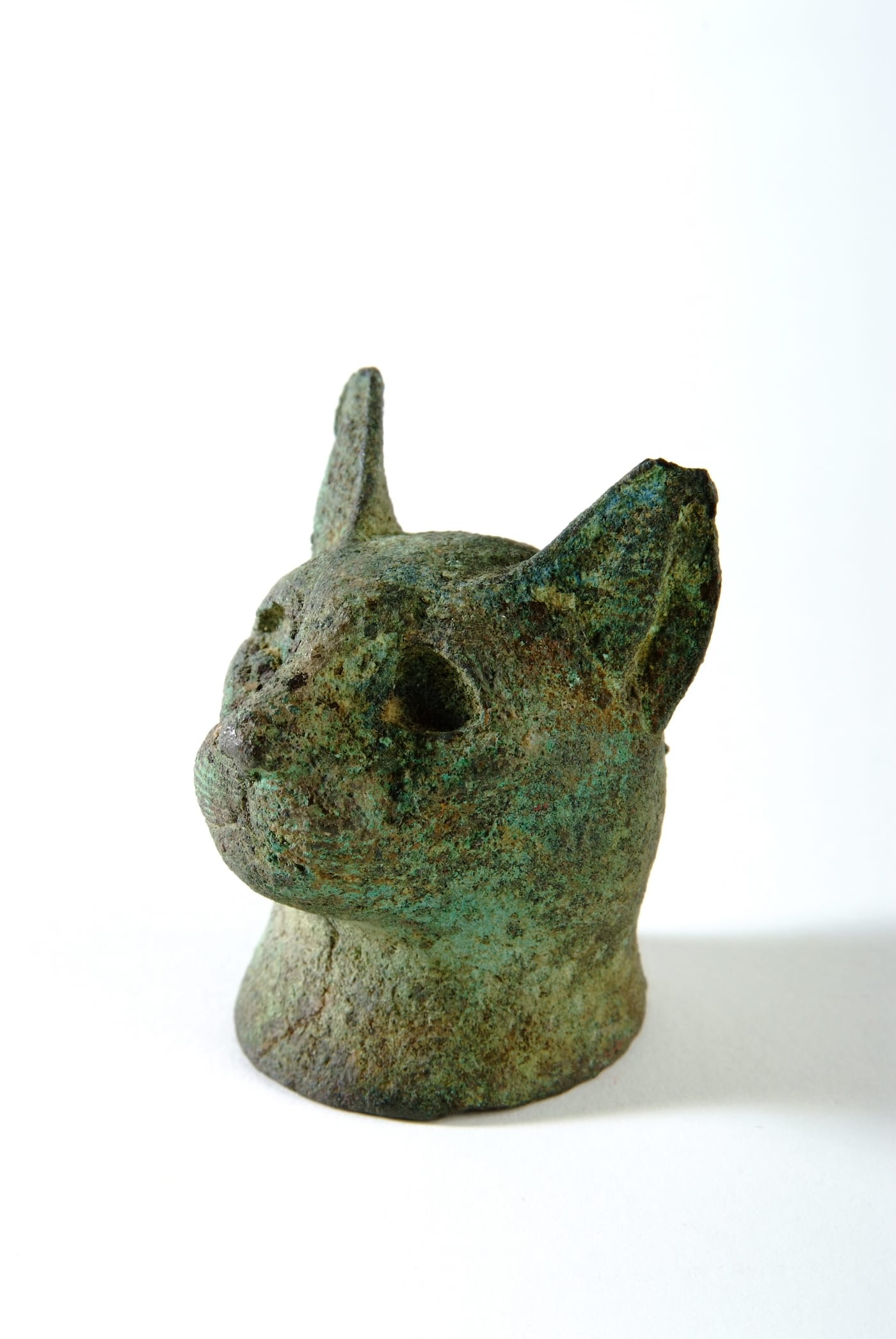
Egyptian religion's theriomorphic tradition is the deepest and most continuously-documented animal-god system in any ancient civilization: Horus (falcon), Anubis (jackal), Sekhmet (lioness), Sobek (crocodile), Bastet (cat), Heqet (frog), Thoth (ibis), Khepri (scarab beetle), Taweret (hippopotamus), Hathor (cow), Apis (bull), and dozens of others, across roughly three thousand years of continuous tradition from the Old Kingdom Pyramid Texts (c. 2400 BCE) through the Ptolemaic temples (last built c. 30 BCE). The Faulkner edition of the Pyramid Texts (Oxford, 1969), Allen's Book of the Dead (University of Chicago, 1974), and Salima Ikram's Divine Creatures (AUC Press, 2005) are the foundational English-language references.
Egyptian religion’s theriomorphic tradition is the deepest and most continuously-documented animal-god system in any ancient civilization. Roughly three thousand years of continuous practice, from Predynastic falcon-figures through the Pyramid Texts (c. 2400 BCE) through the Ptolemaic temples (last built c. 30 BCE). The scale and continuity are unmatched.
The principal deities and their animal-forms
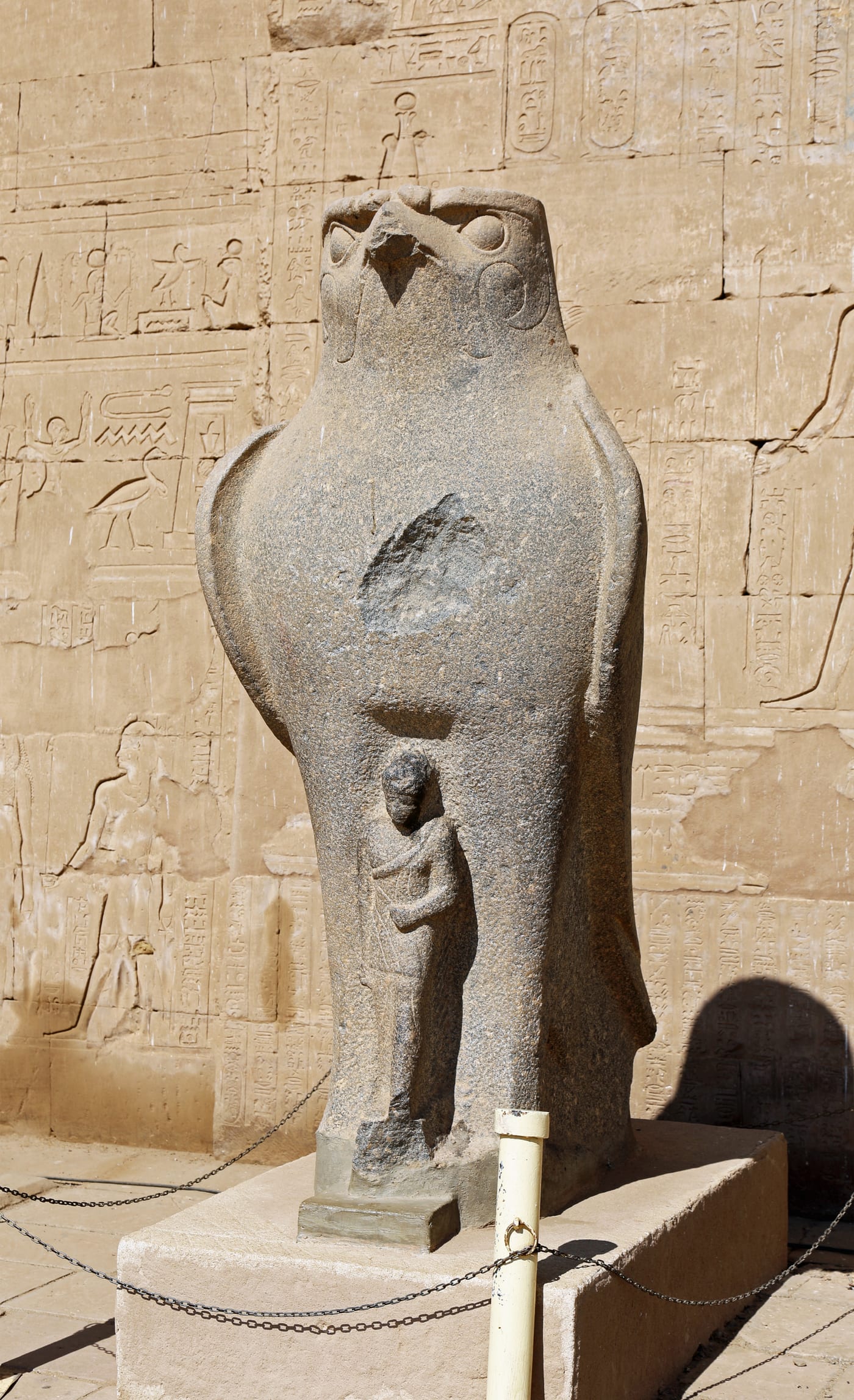
Horus (falcon). Sky-god and royal patron. The Horus falcon (specifically the peregrine falcon) is attested in Predynastic Egypt and remains the most consistently depicted deity in the entire Egyptian pantheon.
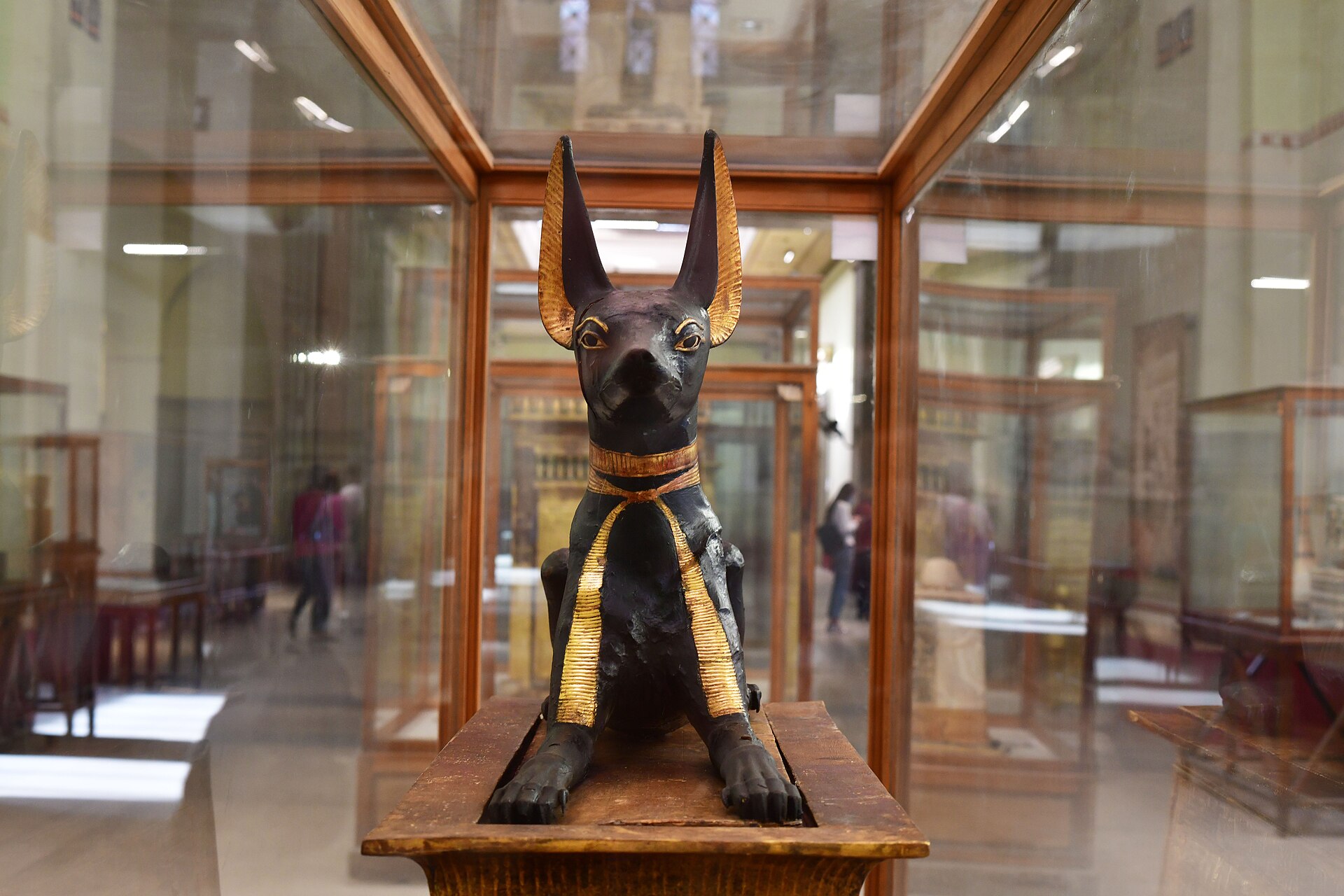
Anubis (jackal). Embalmer and judge of the dead. The jackal’s association with necropoles and graves in the Egyptian desert gave Anubis his specific domain.
Sekhmet (lioness). War and plague. Over 600 Sekhmet statues survive from Amenhotep III’s mortuary complex alone.
Sobek (crocodile). Cult center Shedet (Crocodilopolis). Over 10,000 crocodile mummies recovered from the Faiyum.
Bastet (cat). Cult center Bubastis. Herodotus 2.59–60 describes the Bubastite festival.
Heqet (frog). Birth-goddess associated with the moment of birth and with the primordial mound.
Serqet (scorpion). Canopic-jar goddess, protector of the intestines. Her seven scorpion attendants appear in Papyrus Chester Beatty XI.
Thoth (ibis or baboon). Wisdom, writing, Moon.
Khepri (scarab beetle). Solar morning-rising.
Taweret (hippopotamus). Protection of mothers and children.
Hathor (cow). Love, beauty, motherhood.
Apis (bull). Sacred bull at Memphis; buried in the Serapeum of Saqqara.
Scale of the cult
Animal-mummification at scale was central to the tradition. Salima Ikram’s Divine Creatures (AUC Press, 2005) documents millions of mummies recovered from Saqqara, the Faiyum, and other sites: 8 million+ canids at the Anubis catacombs, 10,000+ crocodiles at Kom Ombo and the Faiyum, hundreds of thousands of ibis (Thoth) at Tuna el-Gebel, cat-mummies by the hundreds of thousands at Bubastis. This is religious practice at industrial scale.
Theological framework
Erik Hornung’s Conceptions of God in Ancient Egypt (Cornell University Press, 1982) argues that the theriomorphic tradition reflects a specific Egyptian theology in which divine attributes are expressible through the recognizable characteristics of individual animals. The animal is not the god; the animal is the iconographic language through which the god’s attributes become recognizable. Falcon = sky-sovereignty. Jackal = necropolis-protection. Lioness = destructive-protective power.
Scholarly standards
Faulkner’s Pyramid Texts (Oxford, 1969), Allen’s Book of the Dead (University of Chicago, 1974), Gardiner’s Egyptian Grammar (Griffith Institute, 1957), Richard Wilkinson’s The Complete Gods and Goddesses of Ancient Egypt (Thames & Hudson, 2003), and Barbara Watterson’s The Gods of Ancient Egypt (Sutton, 1996) are the foundational English-language references.
Key terms
- theriomorphic
- 'Animal-formed.' Of a deity represented in animal form or as a human-animal composite.
- ka
- In Egyptian theology, the 'double' or vital-essence that accompanies a being and requires sustenance after death.
- ba
- The soul-component often depicted as a human-headed bird, able to leave the body and travel.
- neter (nṯr)
- 'God' in Ancient Egyptian. The plural neteru (ntrw) covers the whole pantheon.
Frequently asked
- Why did Egyptians worship animal-headed gods?
- The theriomorphic tradition reflects a theological framework in which divine attributes were expressible through the specific characteristics of individual animals. Horus's falcon-form expresses sky-sovereignty; Anubis's jackal-form expresses the necropolis-protective role; Sekhmet's lioness-form expresses destructive-protective power; Sobek's crocodile-form expresses riverine strength. The animal is not the god; the animal is a recognizable iconographic language for the god's attributes. Erik Hornung's Conceptions of God in Ancient Egypt (Cornell, 1982) is the standard theological treatment.
- How old is the Egyptian theriomorphic tradition?
- The earliest clear theriomorphic imagery is Predynastic (c. 3500–3100 BCE), with falcon, bull, and jackal figures on ritual objects. By the Old Kingdom (c. 2700–2200 BCE), the Pyramid Texts (Utterances 1–759, Faulkner trans., Oxford 1969) name dozens of theriomorphic deities. The tradition remained active through the Ptolemaic period (30 BCE), roughly three millennia of continuous practice.
- Which Egyptian god is an animal?
- Most major Egyptian deities have theriomorphic iconographic associations. The most widely-recognized: Horus (falcon), Anubis (jackal), Sekhmet (lioness), Sobek (crocodile), Bastet (cat), Thoth (ibis or baboon), Khepri (scarab beetle), Hathor (cow), Apis (bull), Taweret (hippopotamus), Heqet (frog), Serqet (scorpion), Nekhbet (vulture), Wadjet (cobra), Khnum (ram). See our individual animal-pages (falcon/hawk, cat, dog, snake, bee, frog, scorpion, crocodile) for the specific deity treatments.
Sources
- PRIMARY Pyramid Texts . Faulkner trans., Oxford, 1969.
- PRIMARY Book of the Dead . Allen trans., SAOC 37, University of Chicago, 1974.
- PEER-REVIEWED Salima Ikram (ed.), Divine Creatures: Animal Mummies in Ancient Egypt . American University in Cairo Press, 2005.
- PEER-REVIEWED Erik Hornung, Conceptions of God in Ancient Egypt . Cornell University Press, 1982.
- PEER-REVIEWED Richard H. Wilkinson, The Complete Gods and Goddesses of Ancient Egypt . Thames & Hudson, 2003.
- PEER-REVIEWED Alan Gardiner, Egyptian Grammar . Griffith Institute, 3rd ed. 1957.
- PEER-REVIEWED Barbara Watterson, The Gods of Ancient Egypt . Sutton, 1996.