Tradition · Great Lakes and St. Lawrence Valley region (present-day upstate New York, southern Ontario, Quebec)
Haudenosaunee (Iroquois) Animal Traditions: Turtle Island, the Thunderbird, and the Great Law's Animal Symbols
Haudenosaunee (Iroquois Confederacy) animal traditions as documented by J.N.B. Hewitt (Smithsonian, 1903), Lewis Henry Morgan (1851), and the Great Law of Peace. Turtle Island creation, bear and deer clans, the Thunderbird, and the eagle of the Haudenosaunee Confederacy's founding story.
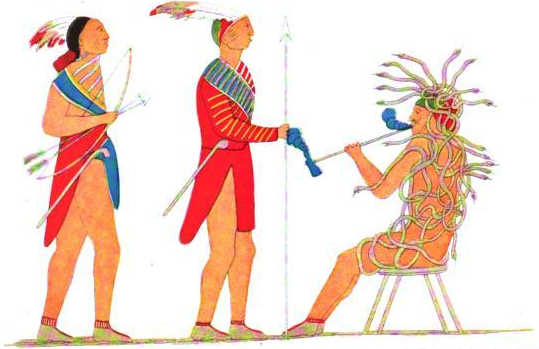
Haudenosaunee (Iroquois Confederacy: Mohawk, Oneida, Onondaga, Cayuga, Seneca, and later Tuscarora) animal traditions are documented in J.N.B. Hewitt's Iroquoian Cosmology (Smithsonian BAE Annual Report 21, 1903), Lewis Henry Morgan's League of the Iroquois (1851), and Arthur Parker's The Code of Handsome Lake (1913). Core traditions: the great turtle that supports the world on its back (Turtle Island creation story), the clan system organized by animal totems (bear, deer, wolf, beaver, snipe, heron, hawk, turtle clans), the Thunderbird (the storm-beings), and the eagle atop the Tree of Peace in the Great Law of Peace (Gayanashagowa). These are cosmologically embedded, constitutionally significant traditions, not personal spirit-animal categories.
J.N.B. Hewitt was an unusual figure in early American anthropology: he was Tuscarora, one of the six nations of the Haudenosaunee Confederacy, and he worked at the Smithsonian’s Bureau of American Ethnology for over forty years. His Iroquoian Cosmology (BAE Annual Report 21, 1903) is the most comprehensive primary-source account of Haudenosaunee creation mythology and cosmological thought available in English. It is an insider-authored document in a field dominated by outsiders, which gives it a different character than most BAE publications.
Lewis Henry Morgan’s League of the Iroquois (1851) predates Hewitt but remains foundational. Morgan’s work with his Seneca consultant Ely Parker (who later served as Ulysses Grant’s Commissioner of Indian Affairs) produced the first systematic account of Haudenosaunee social organization in English. Morgan’s approach (treating the Haudenosaunee as a complex political and social entity rather than as primitive people) was itself a methodological innovation, though his work is not without the limitations of its era.
Turtle Island and the creation narrative
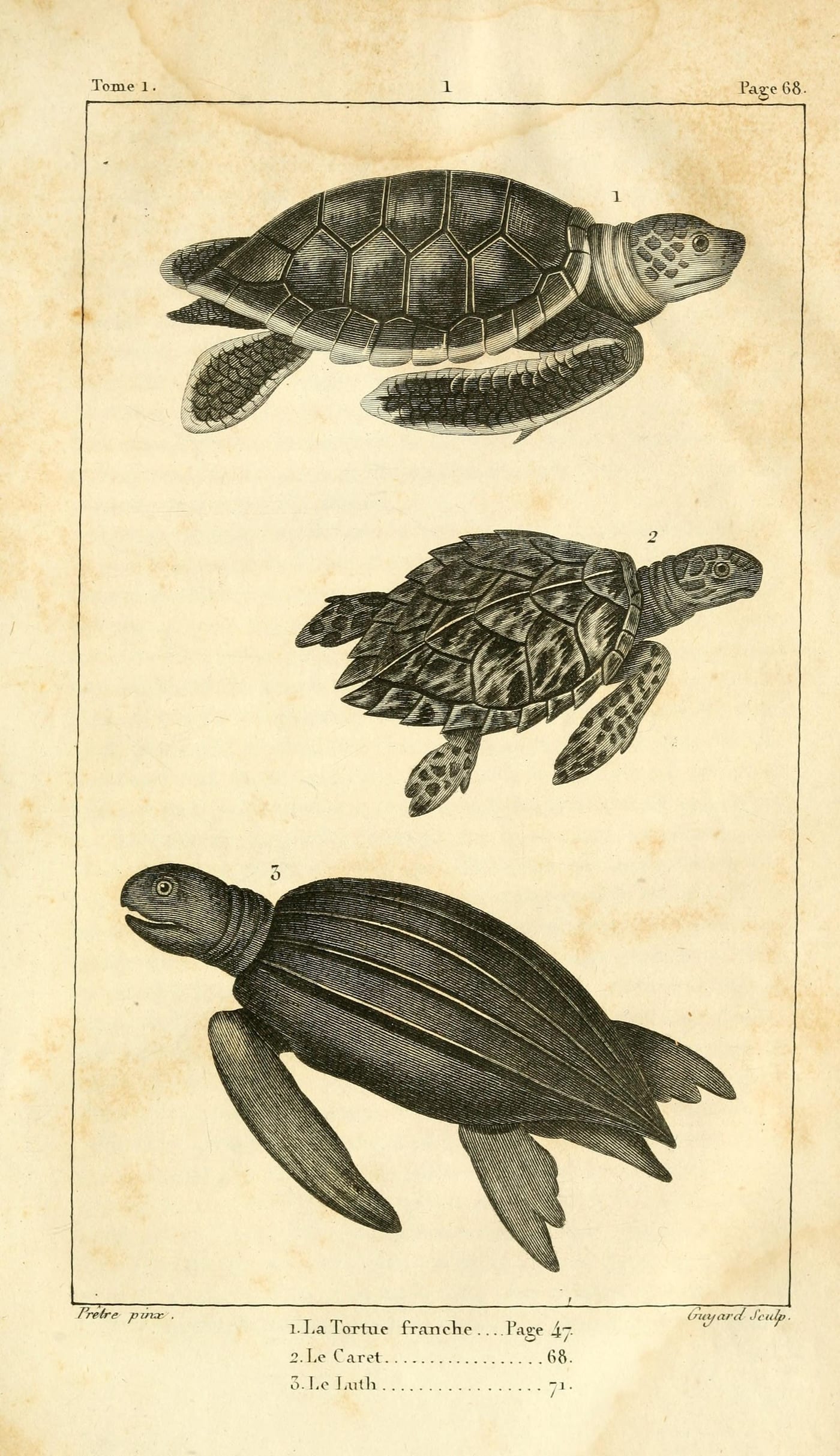
The Haudenosaunee creation story begins in a sky world above the primordial waters. A woman (Sky Woman, Aataentsic in Wyandot variants, called by various names in different nations) falls or is pushed from the sky world. Water birds support her descent. A great turtle rises from the water to provide a landing place. The earth-diving animals (in most versions, the muskrat succeeds where others fail) bring soil from the bottom of the primordial sea. The world grows on the turtle’s back. Sky Woman plants seeds she brought from the sky world; her grandsons (in most versions, the Good Twin and the Flint or Evil Twin) continue creating the world.
Hewitt’s 1903 account draws on oral traditions from multiple Haudenosaunee nations and preserves the narrative’s internal variation honestly. The turtle’s supporting role (the world literally rests on the turtle’s back) is the source of “Turtle Island” as a name for North America. The name is used across many Indigenous nations, though with different specific creation narratives behind it.
The clan system
The Haudenosaunee clan system, documented thoroughly by Morgan (1851), organizes society by matrilineal animal-named clans. Each nation in the Confederacy has its own set of clans; the Bear and Turtle clans are among the most widely distributed. Membership passes through the mother; a person’s clan is their mother’s clan, not their father’s. Marriage within the same clan is prohibited.
The Clan Mothers hold substantial political authority: they nominate and can depose the male sachems (chiefs) who represent their nation in the Grand Council of the Confederacy. The clan names (Bear, Deer, Wolf, Beaver, Hawk, Heron, Snipe, Turtle) are not personal choices or individual affiliations; they are hereditary social-political categories inherited at birth and carried for life.
The Great Law of Peace and the eagle
The Great Law of Peace (Gayanashagowa), the founding constitutional document of the Haudenosaunee Confederacy, centers on the Tree of Peace, a great white pine whose roots extend in the four directions and whose branches shelter the peoples who come under it. Atop the Tree of Peace sits an eagle, watching for danger approaching from any direction.
The eagle’s constitutional function in the Gayanashagowa is specific: it is a sentinel institution, placed at the top of the governmental structure to watch and warn. This is categorically different from the eagle as a personal spirit guide or spiritual totem. The eagle of the Great Law is a political eagle, assigned a civic function within a governing document. Arthur Parker’s documentation (1913) and the Haudenosaunee Confederacy’s own publications preserve the text.
Thunderbirds in Haudenosaunee tradition
Hewitt’s 1903 work documents Thunderbirds (the storm-beings) in Haudenosaunee cosmology. They are not a single supernatural bird but a category of powerful sky-beings responsible for thunder and lightning. Their battles with the Great Horned Serpent (an underworld figure in many Haudenosaunee and Great Lakes narratives) produce the storms that humans experience. This is a cosmologically specific tradition distinct from Pacific Northwest Thunderbird traditions, which belong to different nations in a different geographic and cultural context.
Contemporary Haudenosaunee sovereignty
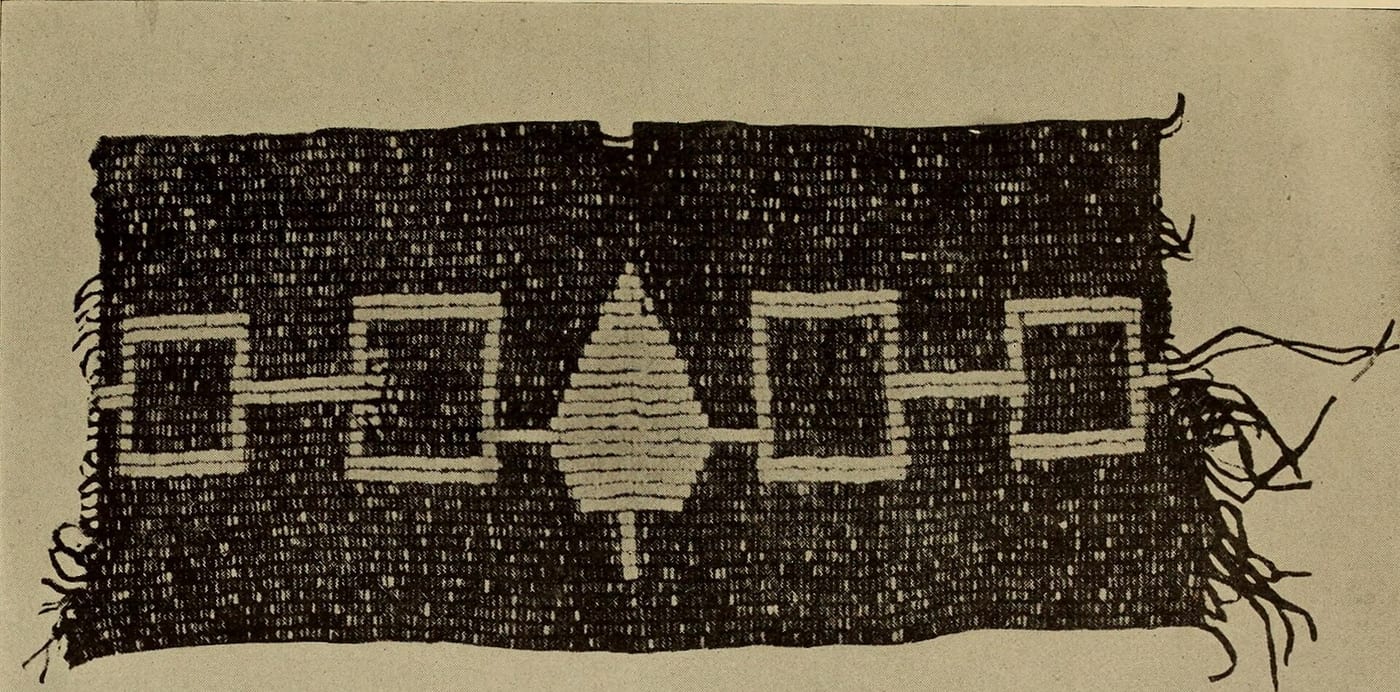
The Haudenosaunee Confederacy remains a governing political entity with its own passports, cultural protocols, and official positions on the use of its traditions. The Onondaga Nation, which serves as the capital of the Confederacy and maintains the wampum belts, has published formal statements about the misuse of Haudenosaunee symbols and traditions. Any engagement with Haudenosaunee animal traditions that does not acknowledge the living Confederacy and its own positions is incomplete.
Key terms
- Turtle Island
- The North American continent in Haudenosaunee (and many other Indigenous) cosmology. In the Haudenosaunee creation story documented by Hewitt (1903), a woman falls from the sky world; a great turtle rises from the primordial waters to support her; the world grows from the earth placed on the turtle's back by the water animals.
- Gayanashagowa
- The Great Law of Peace: the founding constitutional document of the Haudenosaunee Confederacy, attributed to the Peacemaker (Deganawida) and Hiawatha. The Tree of Peace (white pine) with its eagle guardian is central to the document's symbolic architecture.
- ohwachira
- The Haudenosaunee matrilineal clan unit. Each clan is named for an animal and membership passes through the mother. Clans include Bear, Deer, Wolf, Beaver, Snipe, Heron, Hawk, and Turtle, with variation by nation.
- Thunderbird
- The supernatural being associated with thunder and lightning in Haudenosaunee tradition. Documented by Hewitt (1903) and in various Seneca narratives. Not a single bird but a category of powerful sky-beings. Distinct from the specific Thunderbird traditions of the Pacific Northwest.
Frequently asked
- What is Turtle Island and why do Haudenosaunee people use this term?
- Turtle Island is the Haudenosaunee name for North America, derived from the creation story documented by J.N.B. Hewitt in Iroquoian Cosmology (1903). In the story, a woman falls from the sky world and is supported by water birds; a great turtle rises from the primordial waters to support her landing; the muskrat or other animals bring earth from the bottom of the primordial sea; the world is formed on the turtle's back. The turtle's carrying function makes the continent literally a turtle. The term is used across many Indigenous nations across North America, though the specific creation stories vary.
- What is the clan system in Haudenosaunee society?
- Haudenosaunee society is organized by matrilineal clans named for animals: Bear, Deer, Wolf, Beaver, Snipe, Heron, Hawk, and Turtle, with some variation by nation. Membership is determined by the mother's clan; a person cannot marry within their own clan. Clan Mothers hold significant political authority in Haudenosaunee governance. Lewis Henry Morgan's League of the Iroquois (1851) documented the clan system in detail; it remains one of the foundational texts of American anthropology. The animal clan names are not personal totems chosen by individuals; they are hereditary social-political categories.
- What is the eagle's role in the Great Law of Peace?
- The Great Law of Peace (Gayanashagowa) places an eagle at the top of the Great White Pine, the Tree of Peace. The eagle's role is to watch for danger approaching the Haudenosaunee Confederacy from any direction and warn the people. This specific constitutional-legal function of the eagle differs markedly from generic 'eagle as personal spirit guide' readings. The eagle in the Great Law is a political and protective institution, not an individual totem.
- Are Haudenosaunee Thunderbird traditions the same as Pacific Northwest Thunderbird traditions?
- No. The Thunderbird in Haudenosaunee tradition (documented by Hewitt, 1903; also in Seneca oral literature) is a category of storm-beings associated with thunder and lightning. The Pacific Northwest Thunderbird traditions (Haida, Tlingit, Kwakwaka'wakw) are distinct and should not be conflated. These are different nations, different geographic regions, and different cosmological frameworks that happen to share a bird name in English translation.
Sources
- PRIMARY J.N.B. Hewitt, Iroquoian Cosmology . Smithsonian Bureau of American Ethnology Annual Report 21, 1903.
- PRIMARY Lewis Henry Morgan, League of the Iroquois (League of the Ho-dé-no-sau-nee or Iroquois) . Sage & Brother, 1851. The foundational ethnography of Haudenosaunee social and political organization.
- PRIMARY Arthur C. Parker, The Code of Handsome Lake, the Seneca Prophet . New York State Museum Bulletin 163, 1913. Parker was Seneca; this is an insider-authored primary source.
- PEER-REVIEWED Barbara Alice Mann and Jerry L. Fields, 'A Sign in the Sky: Dating the League of the Haudenosaunee' . American Indian Culture and Research Journal 21(2), 1997.
- REFERENCE Haudenosaunee Confederacy official documentation . https://www.haudenosauneeconfederacy.com, the authoritative contemporary source.