Tradition · South Asia
Hindu Vāhanas: The Divine Mounts: Garuda, Nandi, Hamsa, Uluka, and the System of God-and-Animal Pairings
Hindu vāhanas: the divine mounts that pair each major deity with a specific animal: Vishnu with Garuda, Shiva with Nandi the bull, Brahma and Saraswati with the hamsa (goose-swan), Lakshmi with the uluka (owl), Ganesha with the mushika (mouse), Kartikeya with the peacock, Durga with tiger/lion, and dozens more.
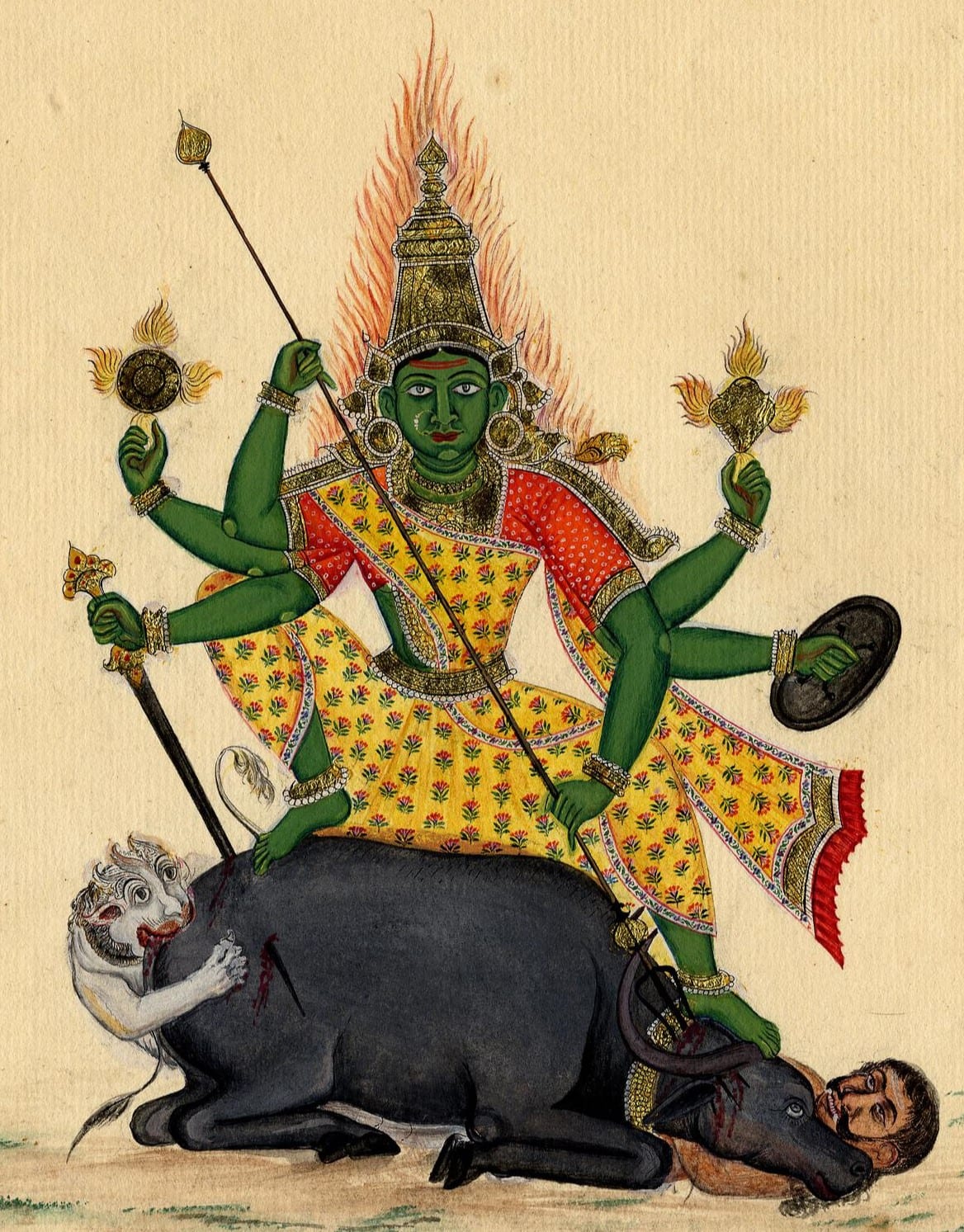
The vāhana (Sanskrit वाहन, 'that which carries') is the divine mount of a Hindu deity, pairing each major god with a specific animal that serves as both vehicle and iconographic marker. Vishnu rides Garuda (king of birds). Shiva rides Nandi (the white bull). Brahma and Saraswati ride the hamsa (goose-swan). Lakshmi rides the uluka (owl). Ganesha rides the mushika (mouse). Kartikeya/Murugan rides the peacock. Durga rides a tiger or lion. Indra rides Airavata (white elephant). The system is documented in the Puranas (c. 300–1500 CE) and in Vedic precursors, and remains central to Hindu temple iconography across South and Southeast Asia.
The vāhana (Sanskrit वाहन, “that which carries”) is the divine mount of a Hindu deity. The system pairs each major Hindu god with a specific animal that functions both as literal vehicle and as iconographic marker. Temple sculpture across South and Southeast Asia uses the vāhana to identify which deity is being depicted.
The principal vāhanas
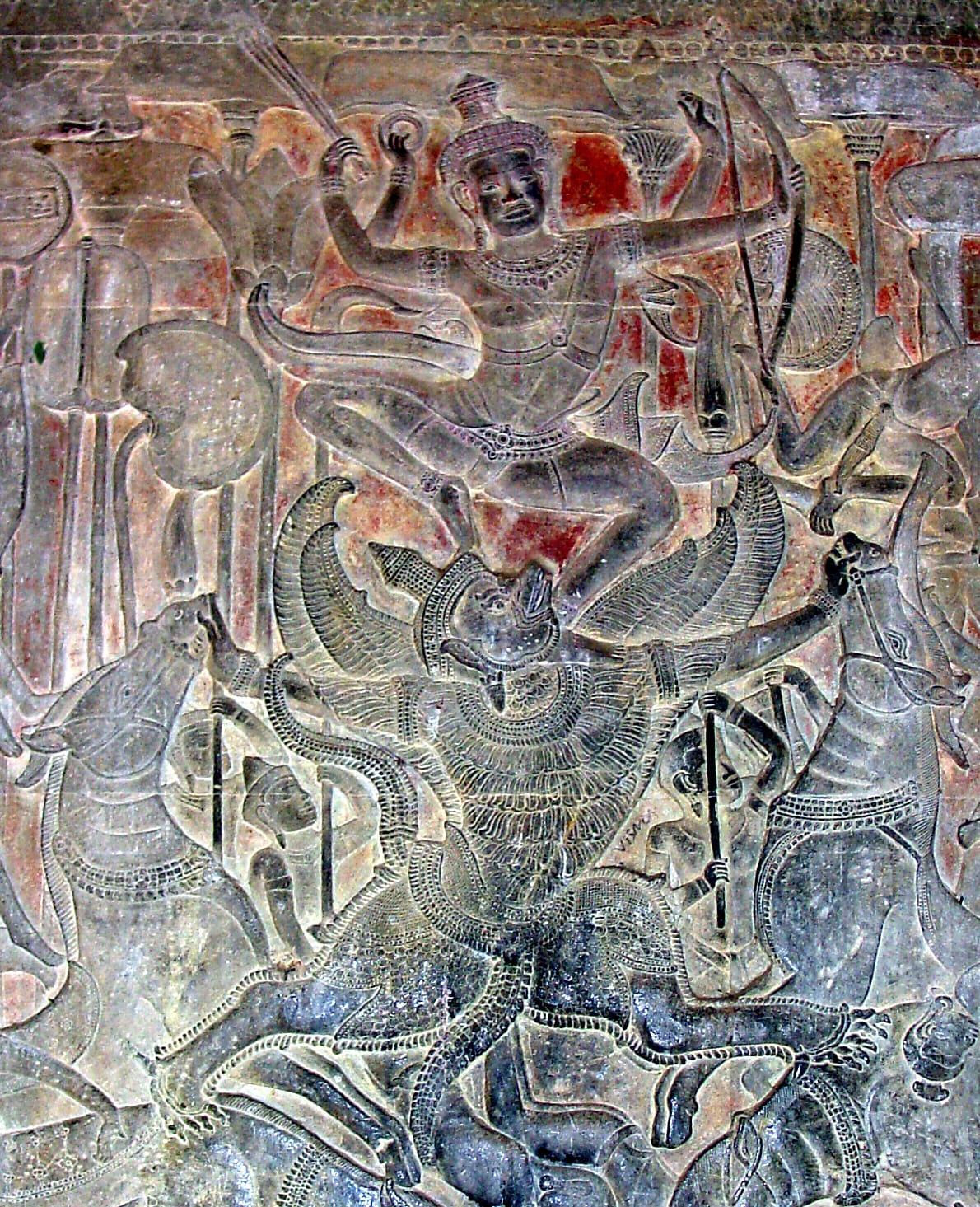
Vishnu, Garuda. King of birds. Mahābhārata Astikaparva. The eagle spirit-animal entry covers Garuda.
Shiva, Nandi. White bull. Every Shiva temple has a seated Nandi facing the lingam.
Brahma and Saraswati, hamsa. Goose-swan of discernment. Mundaka Upaniṣad 3.1.1. The swan spirit-animal entry covers the hamsa.
Lakshmi, uluka. Owl. Atharva Veda 6.29 on the owl as ambivalent. The owl spirit-animal entry covers the uluka.
Ganesha, mushika. Mouse. The elephant-headed remover of obstacles riding a tiny mouse is one of the more theologically playful Hindu iconographic pairings.
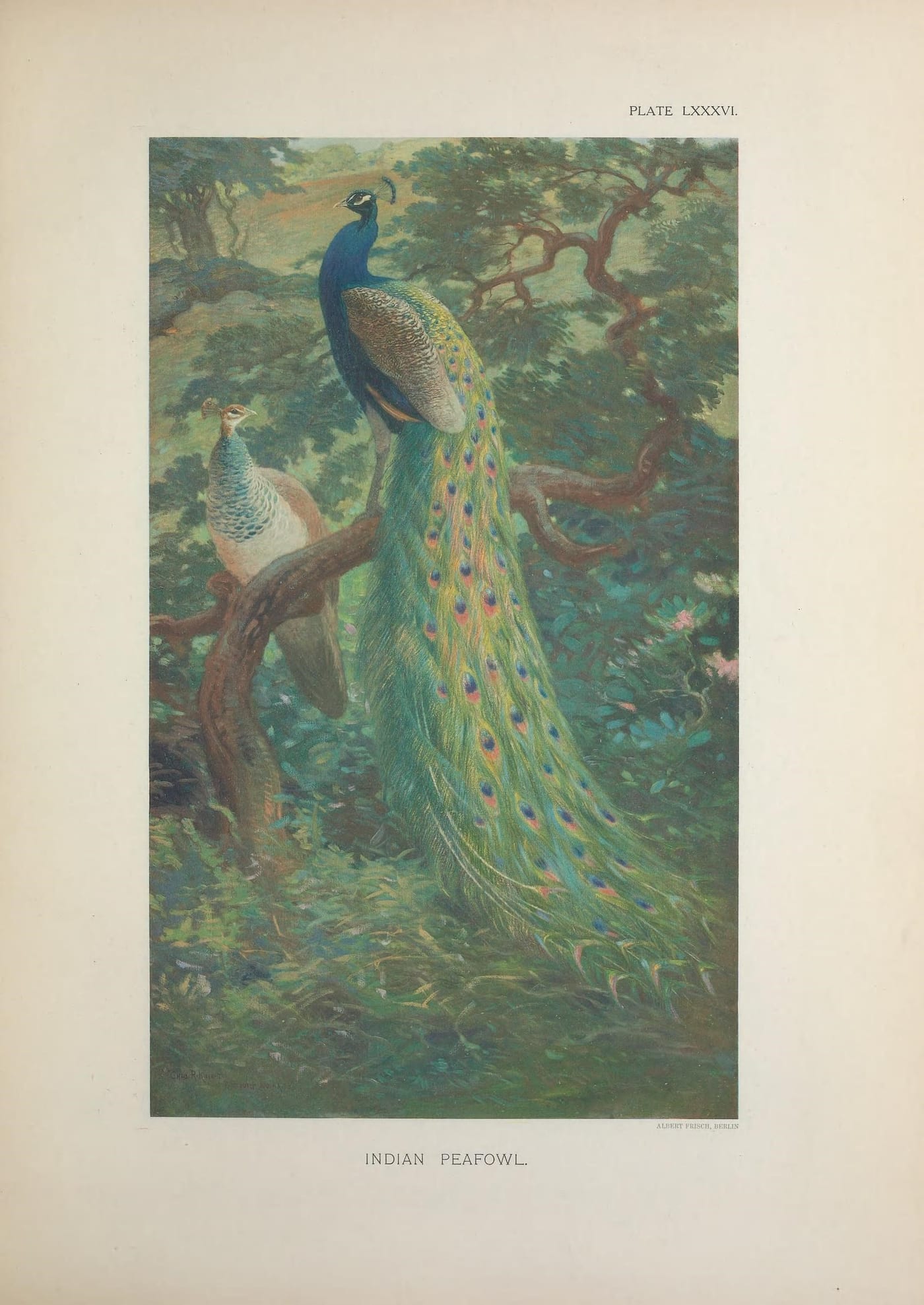
Kartikeya / Murugan, peacock. Skanda Purana. The peacock spirit-animal entry covers Murugan.
Durga, tiger or lion. Devi Mahatmya. The tiger and lion spirit-animal entries cover Durga’s vāhana.
Indra, Airavata. White four-tusked elephant. The elephant spirit-animal entry covers Airavata.
Yama, buffalo. The god of death rides a buffalo.
Agni, ram. The god of fire rides a ram.
Varuna, makara. The crocodile spirit-animal entry covers the makara.
Theological function
Diana Eck’s Darśan: Seeing the Divine Image in India (Columbia, revised 1998) is the standard treatment of Hindu iconographic theology. The vāhana is not incidental: it expresses the deity’s attributes through the animal’s recognizable characteristics. Garuda’s sky-sovereignty suits Vishnu. Nandi’s strength suits Shiva. The hamsa’s discernment suits Saraswati. The mushika’s small-opening-penetration suits Ganesha.
Regional continuity
The vāhana system traveled with Hindu iconography across Southeast Asia. Angkor Wat, Prambanan, and Thai wat temples preserve the same vāhana pairings in carved stone. Modern Balinese Hindu practice continues the tradition in living form.
Key terms
- vāhana (वाहन)
- 'That which carries.' A divine mount; the animal (or sometimes vehicle) that bears a specific deity.
- Garuda (गरुड)
- Vishnu's king-of-birds vāhana; the eagle spirit-animal entry covers Garuda in detail.
- Nandi (नंदी)
- Shiva's white bull vāhana; faces the Shiva lingam in every Shiva temple.
- hamsa (हंस)
- Brahma and Saraswati's goose-swan vāhana of discernment.
- uluka (उलूक)
- Lakshmi's owl vāhana; the ambivalence of the owl across Hindu and Greek traditions is treated in the owl spirit-animal entry.
- Airavata (ऐरावत)
- Indra's white four-tusked elephant vāhana, documented in the elephant spirit-animal entry.
Frequently asked
- What is a vāhana?
- A vāhana (Sanskrit वाहन, 'that which carries') is the divine mount of a Hindu deity. Each major Hindu god has a specific animal vāhana that functions both as literal vehicle (the god is depicted riding it) and as iconographic marker (the vāhana's presence in a sculptural or painted scene identifies the deity). Temple iconography across South and Southeast Asia uses the vāhana system to signal which god is being depicted.
- What are the main Hindu vāhanas?
- Vishnu rides Garuda (king of birds, see our eagle page). Shiva rides Nandi (white bull). Brahma and Saraswati ride the hamsa (goose-swan, see our swan page). Lakshmi rides the uluka (owl, see our owl page). Ganesha rides the mushika (mouse). Kartikeya/Murugan rides the peacock (see our peacock page). Durga rides a tiger or lion (see our tiger page). Indra rides Airavata (white four-tusked elephant, see our elephant page). Yama rides a buffalo. Agni rides a ram. Varuna rides the makara (crocodile-composite, see our crocodile page).
- Why does each Hindu god have an animal?
- The vāhana system functions theologically as a way of expressing each deity's specific attributes through a specific animal's characteristics. Garuda's sky-sovereignty suits Vishnu the cosmic preserver. Nandi's strength and devotion suit Shiva the ascetic. The hamsa's discernment (separating milk from water, per the Mundaka Upaniṣad) suits Saraswati the wisdom-goddess. The mushika's ability to go through small openings suits Ganesha the obstacle-remover. Diana Eck's Darśan: Seeing the Divine Image in India (Columbia, 1981, revised 1998) is a standard treatment.
- Are vāhanas in the Vedas?
- The vāhana concept has Vedic antecedents (Indra's chariot drawn by horses, the sun's chariot) but the specific deity-animal pairings developed in the Puranic period (c. 300–1500 CE). The Vishnu Purana, the Bhagavata Purana, the Skanda Purana, and other Puranic texts establish the canonical vāhana-system. Pre-Puranic Vedic texts describe deities but do not consistently use the specific animal-mount framework.
Sources
- PRIMARY Vishnu Purana . Wilson trans., Garland, 1980 (originally 1840).
- PRIMARY Bhagavata Purana . Tagare trans., Motilal Banarsidass, 1976.
- PRIMARY Skanda Purana . Bhatt & Shastri trans., Motilal Banarsidass, 1950–2003.
- PRIMARY Mundaka Upaniṣad 3.1.1 (hamsa) . Olivelle trans., Oxford World's Classics, 1996.
- PRIMARY Mahābhārata, Ādiparva (Garuda) . van Buitenen trans., University of Chicago Press, 1973.
- PEER-REVIEWED Diana L. Eck, Darśan: Seeing the Divine Image in India . Columbia University Press, revised 1998.
- PEER-REVIEWED David Kinsley, Hindu Goddesses . University of California Press, 1986.
- PEER-REVIEWED Paul Courtright, Ganesa: Lord of Obstacles, Lord of Beginnings . Oxford University Press, 1985.