Color symbolism, sourced
Yellow Butterfly Meaning: Mexica Warrior-Souls, Monarch Migration, and Día de Muertos
One of the most specific and verifiable butterfly-soul traditions in the world: the monarch's arrival in Michoacán, timed to within days of Día de Muertos every year.
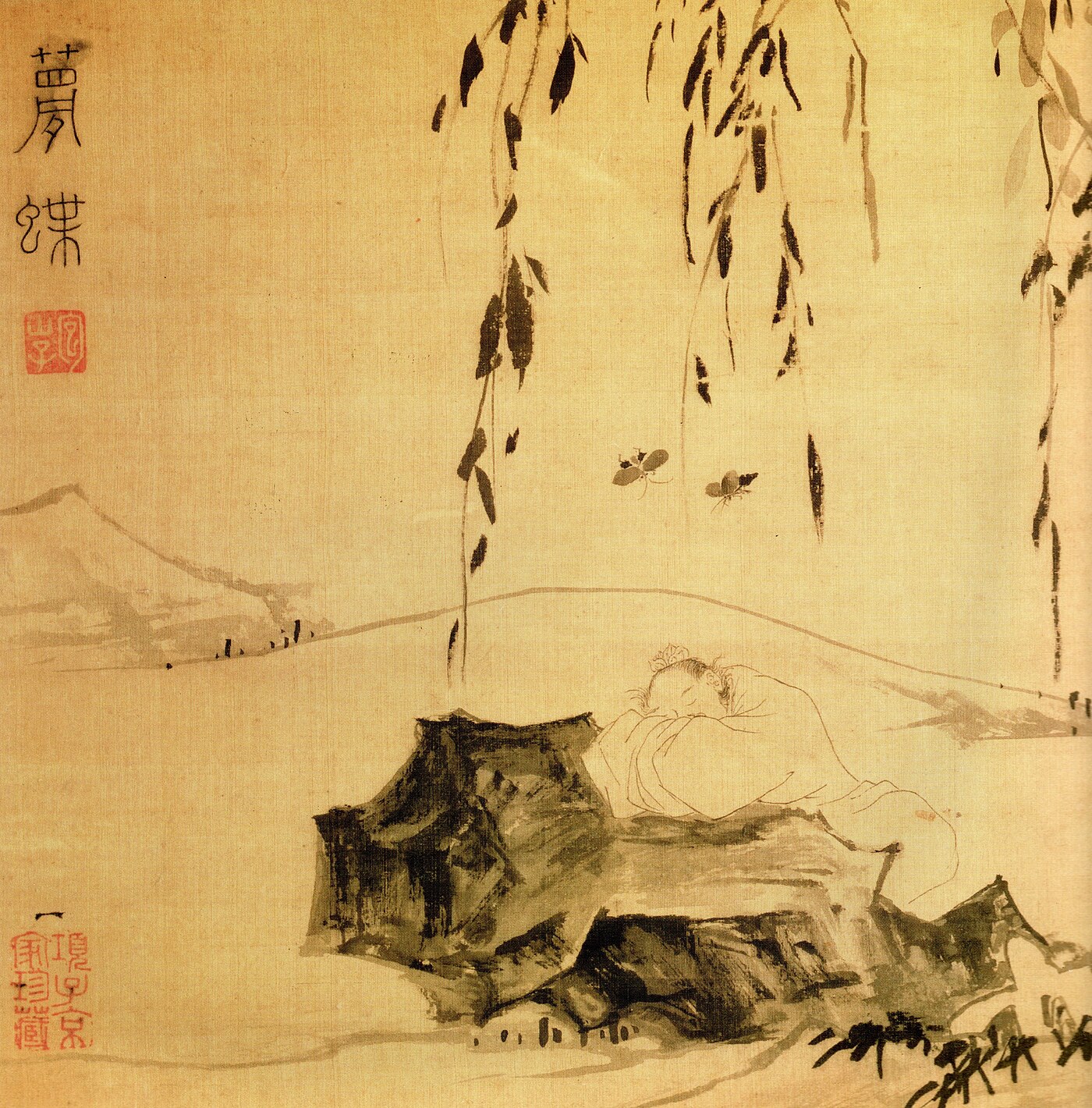
In Mexica tradition (Sahagún Florentine Codex Book 3), yellow and white butterflies carried the souls of warriors who died in battle. In Japanese folk tradition (Yanagita 1946), yellow butterflies were associated with female ancestor-souls. The most compelling annual confirmation of yellow butterfly soul-tradition is the monarch migration: Lincoln Brower's migration research established that the monarchs arrive at their Michoacán overwintering sites within days of Día de Muertos each year. Purépecha and Mazahua communities have long read the arrival as the return of the dead.
The yellow butterfly's soul-reading has a specific piece of annual evidence behind it that the other colors lack: a real biological event, timed to within days of the Day of the Dead, that happens every year and can be predicted. That is not what most butterfly symbolism articles lead with. Most lead with "yellow equals happiness." The monarch butterfly timing is the more interesting story.
Mexica tradition: the warrior-soul butterfly
Sahagún's Florentine Codex, compiled roughly 1540–1585 with Indigenous Nahua collaborators at the Colegio de Santa Cruz de Tlatelolco, documents the fates of the dead in Book 3. Warriors who died in battle or on the sacrificial stone — the tlahuauanime — were said to spend four years accompanying the sun on its morning journey from the eastern horizon to zenith. After four years, they transformed into hummingbirds and butterflies, specifically white and yellow ones. They could then drink freely from flowers in the living world.
The specificity matters: this was not a reading applied to any yellow butterfly. It was a theological description of a particular post-death trajectory available only to warriors who died the "good death" of sacrifice or battle. A farmer who died of illness did not become a yellow butterfly. The yellow butterfly in Mexica religious thought was an aristocratic and martial soul-form, not a general-purpose ancestral presence.
Japan: the female ancestor-soul reading
Yanagita Kunio's About Our Ancestors (1946) makes a color-distinction that most contemporary treatments miss. The white butterfly is specifically associated with the souls of elderly male ancestors returning to the family home. Yellow butterflies, in some regional Japanese variants documented by Yanagita, carried the association of female ancestor-souls. The distinction is not absolute across all regions, and Yanagita notes regional variation, but the color-coding is present in his fieldwork data.
This reading from Japanese folk tradition provides the clearest pre-modern primary source for a yellow-butterfly-as-female-ancestor association. It is independent of the Mexica tradition and arrived at a related (though not identical) reading through different cultural mechanisms.
The monarch butterfly and Día de Muertos
This is the yellow butterfly story with the most empirically verifiable component. The monarch butterfly (Danaus plexippus) makes an annual multigenerational migration from summer breeding grounds across the US and Canada to overwintering sites in the oyamel fir forests of Michoacán, Mexico, roughly 100 miles northwest of Mexico City. The primary overwintering sites (Cerro Pelón, El Rosario, Sierra Chincua) were documented in Lincoln Brower's field research beginning in the 1970s.
The monarchs arrive at these sites annually around the last days of October and the first days of November. In 2024, the first main arrivals at El Rosario were observed on November 1. In 2023, the main front arrived October 31–November 2. The consistency of this timing across decades is a well-documented biological fact. It overlaps almost exactly with Día de Muertos (November 1–2), the Mexican observance of the dead that descends from pre-Columbian Mexica ceremony combined with Catholic All Saints' Day.
Purépecha and Mazahua communities in Michoacán have historically identified the arriving monarchs as the souls of the dead returning to visit the living during Día de Muertos. Octavio Paz's The Labyrinth of Solitude (1950) notes the monarch's role in the Day of the Dead cycle. Contemporary Mexican Día de Muertos practice in Michoacán incorporates the monarch arrival as part of the observance. This is not a metaphor applied after the fact; the timing is real and annual, which has made it an enduring component of regional tradition.
The monarch is orange-and-black, not yellow. But it carries yellow-gold coloring in certain lighting conditions and is loosely categorized with yellow-orange butterflies in folk taxonomy. More precisely: the monarch is the butterfly most associated with Día de Muertos soul-return, and it travels through yellow-orange color territory. The yellow-butterfly-as-ancestor-soul reading gains its most compelling modern confirmation through the monarch migration even if the monarch itself is technically orange.
Appalachian tradition and the luck-sign reading
The Frank C. Brown Collection of North Carolina folklore (1961–64) documents yellow butterflies as positive luck signs in some Appalachian variants, contrasting with the negative omen-reading given to black butterflies in the same archive. A yellow butterfly crossing your path was sometimes interpreted as a sign of coming good weather, good fortune, or good news. This reading aligns with broad Western European associations of yellow with sunshine and gold, though without a specific textual lineage in the way the Mexica and Japanese readings have one.
The contemporary "happiness and hope" reading
The modern "yellow butterfly = joy, happiness, hope, and new beginnings" formula is consistent with the Appalachian luck-sign tradition and with the general positive end of the butterfly-as-soul spectrum. It loses the warrior-specific precision of the Mexica reading and the female-ancestor specificity of the Japanese one. But unlike the black butterfly's modern reversal, the yellow butterfly's contemporary positive reading is at least in the same valence direction as some of its primary-source antecedents.