Tattoo Meaning
Bear Tattoo Meaning: Native-Inspired, Haida-Influenced, California-State, and American Traditional
Bear tattoo meaning across Native-American-inspired styles (with cultural-sensitivity notes), Haida-influenced Northwest Coast formline imagery, California-state-bear civic imagery, and American traditional.
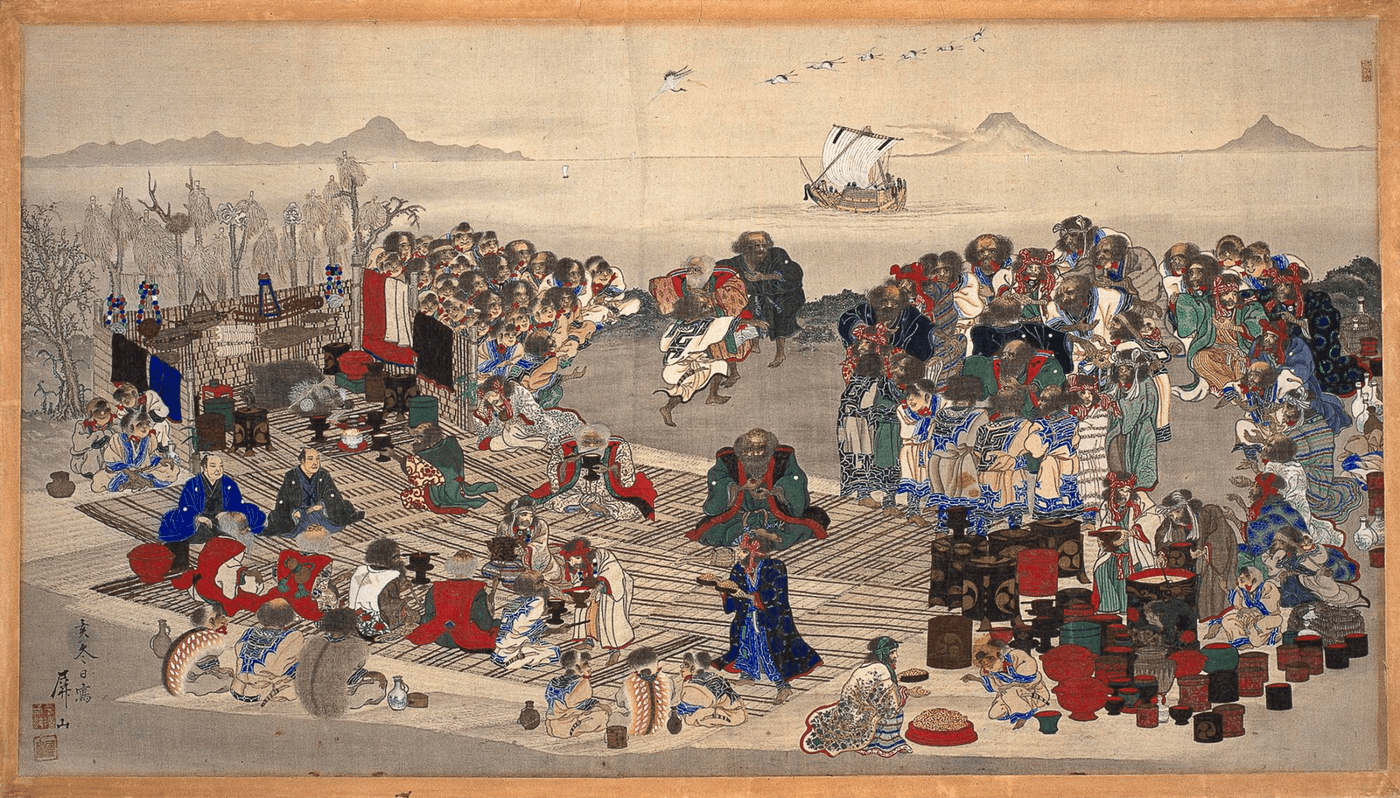
Bear tattoos most commonly mean strength, protection, and solitary inward power. The Finno-Ugric ceremonial, Ainu iyomante, and Greek Brauron bear traditions each add historical depth to the modern reading. Haida-influenced Northwest Coast formline bear tattoos carry specific cultural-sensitivity concerns. California state-bear civic imagery (1846 Bear Flag) is a distinct regional American tradition.
The bear is one of the most widely-gotten large-predator tattoos in North American and Northern European design. That popularity comes with a cost: the stylistic options available don’t share the same symbolic vocabulary, and the meaning changes dramatically depending on which tradition you’re drawing from.
American traditional style
The American traditional bear is bold-outlined, limited-palette, simplified anatomically. It typically shows the bear in a standing posture, either rearing upright (dominance, size display) or seated (strength in reserve). Sailor Jerry-era flash sheets included bears as a standard Pacific Northwest and Alaskan design element. The design reads primarily as power and regional identity; it doesn’t engage any specific Indigenous symbolic tradition.
Haida and Northwest Coast formline
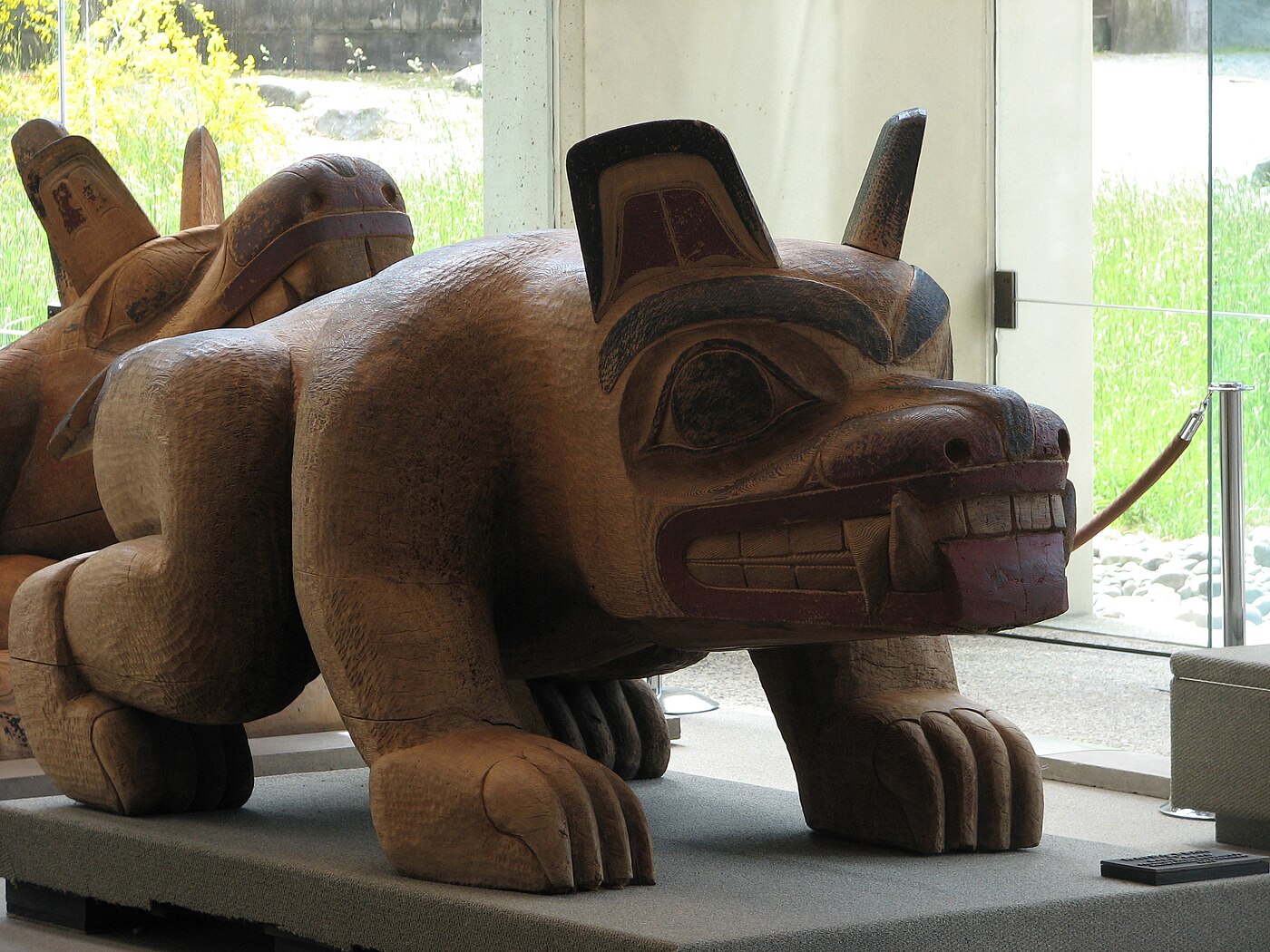
Haida, Tlingit, and other Northwest Coast formline bear designs are among the most visually sophisticated tattoo art produced anywhere in the world. The formline style (with its characteristic ovoid shapes, U-forms, and bilateral split designs) encodes the bear’s body in a specific artistic language with roots in Haida artistic traditions going back centuries. The designs typically show the bear’s paws, face, and spine as the dominant visual elements, with internal forms expressing the animal’s spiritual significance.
These designs belong to specific Indigenous nations with living artists and protocol systems. Engaging a Haida, Tlingit, or other Coast Salish Indigenous artist is the respectful path; generic “tribal bear” designs drawn from formline aesthetics without that engagement raise appropriation concerns. The formline tradition is not a general “Native American” visual style, it is a specific cultural artifact of specific nations.
California Bear Flag
The California Republic’s 1846 Bear Flag features a California grizzly (now extinct in California since 1922), making a bear tattoo in this style a specifically Californian civic-identity piece. The California grizzly was the largest North American grizzly subspecies; the last confirmed individual was killed in 1922. The state animal of California is the grizzly, and the Bear Flag bear tattoo carries that regional-identity charge.
Placement
Upper-arm and chest placements dominate American traditional bear designs because they allow the full-standing or profile-walking pose to show at proper scale. Haida formline bear designs work well on back, chest, and shoulder panels where the bilateral symmetry can spread to its full visual impact. Minimalist linework bear designs (just the outline profile) work at smaller scales on forearms, ankles, and calves.
See the full spirit-animal meaning: Bear Spirit Animal .
Frequently asked
- What does a bear tattoo mean?
- Strength, protection, solitary inward power. The Finno-Ugric ceremonial bear tradition (the bear as sacred hunt subject), Ainu iyomante (bear-sending ceremony), and Greek Brauron sanctuary for Artemis's sacred bears each give the modern design historical depth.
- Are Haida-style bear tattoos appropriative?
- It depends on the design and artist. Haida and other Northwest Coast formline traditions belong to specific Indigenous nations with living practitioners. Engaging Indigenous artists and specific nation-based sources is the respectful path; generic 'tribal bear' designs drawn from Northwest Coast formline without that engagement raise appropriation concerns.
- What does a bear tattoo mean in Northwest Coast formline design?
- In Haida and Tlingit formline art, the bear (Haida xúud) is a clan crest, not a generic symbol: it belongs to specific clans within the matrilineal moiety system. Bill Reid's Haida bear carvings at the Museum of Anthropology in Vancouver demonstrate the formline conventions: ovoid eyes, U-shapes, S-shapes arranged into the recognizable bear figure. A tattoo in formline style on a non-Indigenous wearer is a culturally complex choice that contemporary Northwest Coast artists discuss openly.
Sources
- PEER-REVIEWED Takahiro Kitamura and Katie Kitamura, Tattoos of the Floating World . Hotei, 2003.
- PEER-REVIEWED Patricia Wickman, The Tree That Bends . University of Alabama Press, 1999.
- PEER-REVIEWED Bill Holm, Northwest Coast Indian Art: An Analysis of Form . University of Washington Press, 1965.
- PEER-REVIEWED Neil Price, The Viking Way . Oxbow Books, 2019 revised.
- PEER-REVIEWED Sergei Kan, Symbolic Immortality: The Tlingit Potlatch of the Nineteenth Century . Smithsonian, 1989.