Hub · Dreams
Animal Dream Meanings
Jung first, folk sources second, pop dream-dictionaries last.
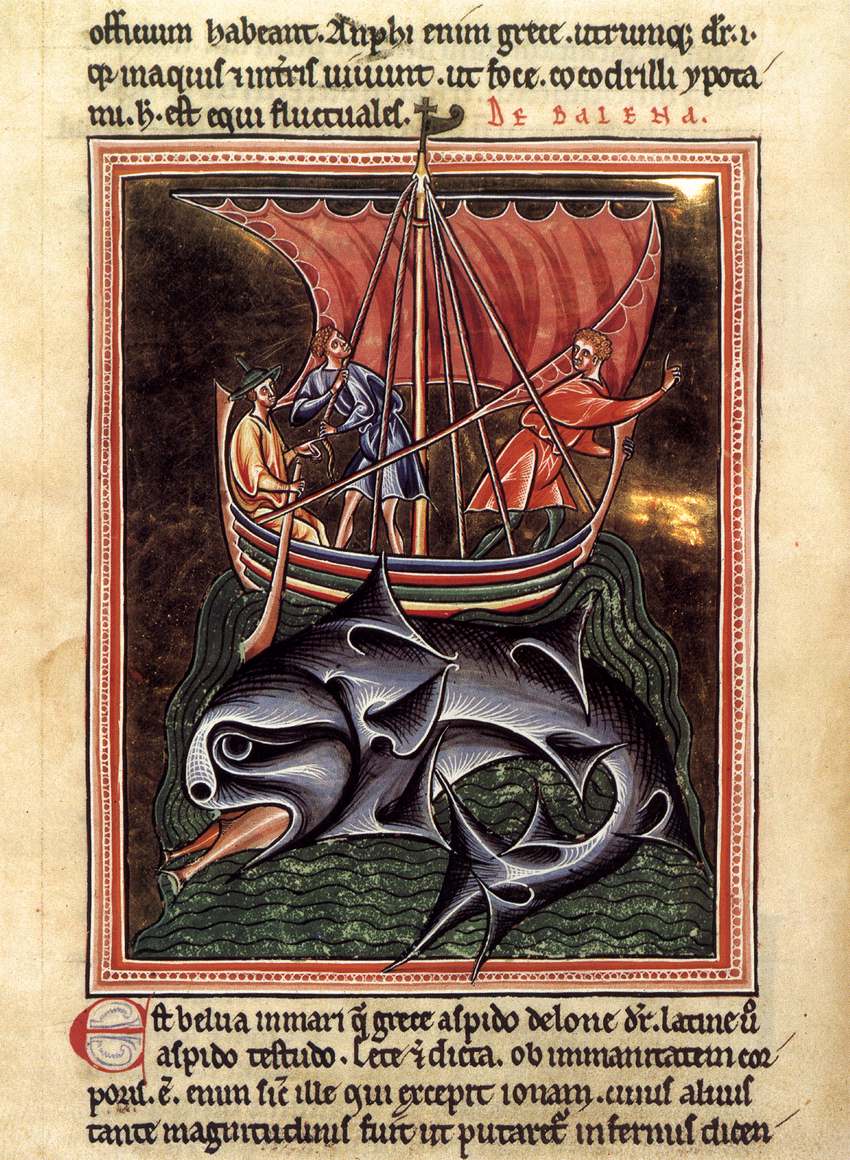
Animals in dreams carry meaning in both folk traditions and modern depth psychology. The primary psychological source in the Western canon is Carl Jung's The Archetypes and the Collective Unconscious (Collected Works Vol. 9i, 1959): Jung treated dream animals as archetypal figures representing instinctual layers of the unconscious. Folk traditions layer on top of that, and contradict each other, which is itself a piece of information. The emotional tone of the encounter (threatening, peaceful, guiding, indifferent) consistently matters more than the species.
Where animal-dream interpretation comes from
The formal interpretation of animal dreams is one of the oldest intellectual projects in recorded history. The Babylonian Dream Book (British Museum, K.6687+, c. 1650 BCE) contains systematic entries recording what specific animal appearances portend: this animal in a dream means this will happen to you, your household, or the city. The logic is omen-based: specific images map to specific future events. It is the oldest document of its kind in existence.
Artemidorus of Daldis wrote the Oneirocritica (c. 150 CE), the first surviving theoretical treatise on dream interpretation. Artemidorus distinguished "allegorical" dreams (which encode future events in symbolic language) from "speculative" dreams (which straightforwardly replay waking anxiety). He devoted extensive passages to animal dreams, cataloguing what each species portends and under what circumstances. His method was empirical: he traveled widely, collected dream reports, and tested interpretations against outcomes. The Oneirocritica was the primary reference text for dream interpretation in Europe for over a thousand years.
Freud's Interpretation of Dreams (1900) changed the framework entirely. Freud treated the dream not as an omen about future events but as a message from the unconscious about the dreamer's internal state, specifically about repressed wishes. Animals in Freud's framework are typically symbols for drives: often aggressive or sexual instincts the ego has found unacceptable. The specific animal matters less than what it personally represents to the dreamer, which requires individual analysis.
Carl Jung took Freud's unconscious-message framework and extended it beyond the individual. Where Freud's unconscious was personal (your specific repressed history), Jung's collective unconscious was shared, a layer of psyche containing patterns (archetypes) that appear across cultures and individuals without being learned. Animals are among the most consistent carriers of these archetypes. The snake in a dream is not just your personal association with snakes; it carries the weight of every snake in every mythology you have never consciously studied.
The Jungian framework in practice
In Jungian depth psychology, the animal in a dream is typically one of two things: a shadow figure or a self-guide. The shadow is the collection of instinctual qualities the ego has refused to integrate: the aggressiveness, the sexuality, the territorial drive, the animal energy the conscious self has declared unacceptable. It appears as a threatening animal: the wolf that pursues, the snake that strikes, the bull that charges. The therapeutic insight is not that the threatening animal is your enemy, it is carrying qualities you need. Integrating the shadow means coming to terms with those qualities.
The helpful animal (the guide, the messenger, the animal that leads you somewhere in the dream) Jung read as the self offering instinctual wisdom the conscious mind cannot reach by reasoning. Marie-Louise von Franz's work on fairy tales shows the same figure in folk narrative: the helpful animal that knows the way, that solves the task the hero cannot solve rationally, that carries older, stranger knowledge than any human character in the story. In dreams it appears as the animal that shows you something, leads you toward something, or communicates directly.
Three practical signals von Franz and Jung both emphasize:
- Emotional intensity. An emotionally powerful animal encounter in a dream (real fear, real awe, uncanny recognition) is more significant than a neutral one. An intensely frightening snake dream is more informative than a pleasant owl dream, because the fear is a sign the snake is carrying suppressed instinctual content the ego is resisting. The charge is the signal, not the species.
- Recurrence. The same animal appearing across multiple dreams over weeks or months is qualitatively different from a single encounter. Patterns are more reliable than episodes.
- The animal's behavior toward you. Is it pursuing you, guiding you, ignoring you, communicating, wounded, threatening? The relationship between you and the animal is at least as important as which species it is.
Reading each entry on this site
Each dream-meaning spoke page on this site covers: the Jungian reading (shadow or guide quality, what psychoanalysts have written about this species), the folk-tradition readings from named cultures (what the Norse, the Anishinaabe, the Buddhist, or the ancient Egyptian traditions record about dreaming of this animal), and where the Andrews pop-spiritual reading diverges from both. Where traditions agree (the owl as a death omen appears in enough unrelated cultures to be significant) that convergence is noted. Where they contradict, the contradiction is in the text rather than papered over.
Dream index
Dreams of animal bites: Jung's shadow-integration reading, contemporary anxiety-dream and PTSD research, and the specific snake-bite exception.
Dreams of badgers: Jung's tenacity-and-boundary archetype reading, Welsh folk tradition, and the Kenneth Grahame Wind in the Willows literary-badger substrate.
Dreams of bears: Jung's analytical-psychology interpretation, the Njáls saga fylgja-bear as warrior-indicator, and contemporary dream-research framing.
Dreams of butterflies: Zhuangzi's butterfly-dream paradox (c. 4th century BCE), the Greek Psyche/soul etymology, and Itzpapalotl the Aztec Obsidian Butterfly goddess of transformation and death.
Dreams of cat attacks: Jung's feminine-shadow archetype, Egyptian Bastet-Sekhmet protective-destructive duality, and contemporary anxiety-dream research.
Dreams of deer: Ovid's Actaeon transformation myth (Metamorphoses 3.155–252), Psalm 42's stag-at-the-spring as soul-thirst tradition, and the Celtic White Stag as otherworld guide.
Dreams of dogs: Jung's loyal-companion archetype, Homer's Argos-recognition scene (Odyssey 17.290–327), Anubis-judgment dream-context, and the Zoroastrian sagdīd dream-adjacent rite.
Dreams of eagles: Jung's sovereignty-archetype, Homer's Zeus-sent eagle dreams in the Iliad, Black Elk's vision material, and Roman augury precedent.
Dreams of foxes: Japanese kitsune dream-contact traditions, Reynard the Fox as medieval European trickster substrate, and Pu Songling's Liaozhai Zhiyi fox-spirit literature (c. 1679).
Dreams of horses: Jung's archetypal life-force reading, Rhiannon's Mabinogion dream-vision, and the Vedic Aśvamedha dream-precedent.
Dreams of lions: Jung's archetypal sovereignty-reading, Daniel 6 lion's den dream-precedent, and Mesopotamian oneiromantic traditions.
Dreams of orcas: Jung's deep-psyche archetype reading, Haida and Tlingit killer-whale cultural traditions, and the contemporary Blackfish (2013) captivity context.
Dreams of owls: Jung's shadow-and-wisdom archetype, Athena-counsel positive tradition, and the Roman strix death-omen tradition (Pliny NH 11.93, Ovid Fasti 6.131).
Dreams of snakes: Jung's analytical psychology interpretation (kundalini, transformation, shadow), the Genesis 3 / Adam-and-Eve substrate in Christian-influenced contexts, and cross-cultural variation.
Dreams of spiders: Jung's weaver-archetype, Ovid's Arachne (Metamorphoses 6), Japanese jorōgumo (Sekien 1779), and West African Anansi dream-context.
Dreams of wolves: Jung's archetypal interpretation from The Archetypes and the Collective Unconscious (1959), the Old Norse fylgja saga tradition in which dream-wolves predict violent events, and contemporary dream-research framing.