Earth Sign · August 23 – September 22
Virgo Spirit Animal
Virgo the Maiden: Babylonian AB.SIN ('Furrow'), Greek Astraea (Ovid Met. 1.149–150), Demeter-Persephone, and the Christian Virgin Mary identification.
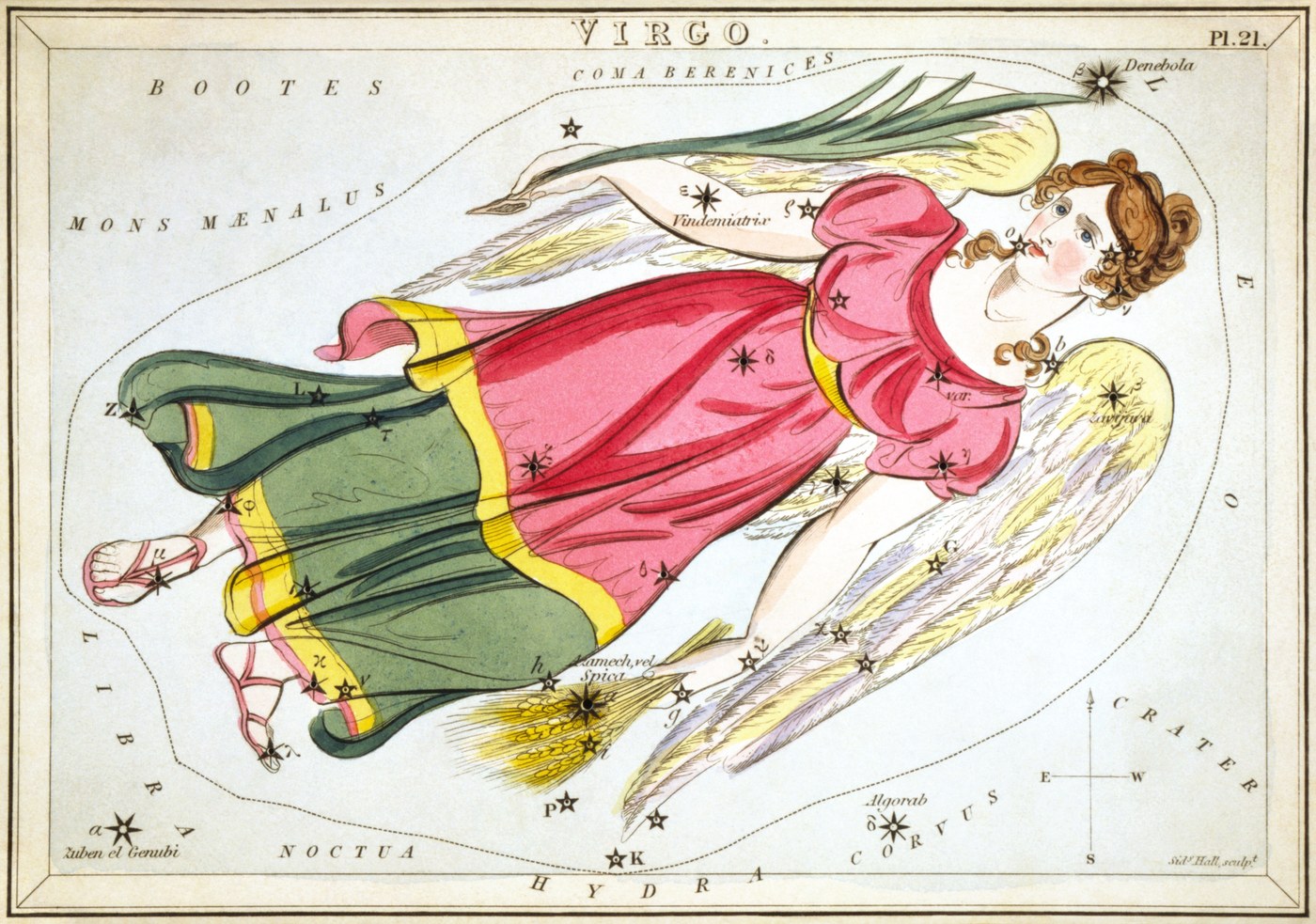
Virgo is the Maiden (August 23 – September 22, Earth). Babylonian AB.SIN ('Furrow'). Greek Astraea (Ovid Met. 1.149–150), Demeter-Persephone. Christian identification with the Virgin Mary. Animal-associations are secondary; dove (Mary), bee (Demeter), butterfly.
The Babylonian name AB.SIN means “the furrow,” specifically the furrow of a plowed field. The star Spica, the brightest star in Virgo, marks the tip of a sheaf of grain in most ancient depictions of the constellation. This is an agricultural sign before it is a mythological one. The harvest, the cultivation of grain, the earth’s fertility during the autumn months when the sun transits Virgo: these are the original meanings of the constellation.
Who the maiden is
Virgo’s mythological identity is genuinely contested. Three main candidates in the ancient sources:
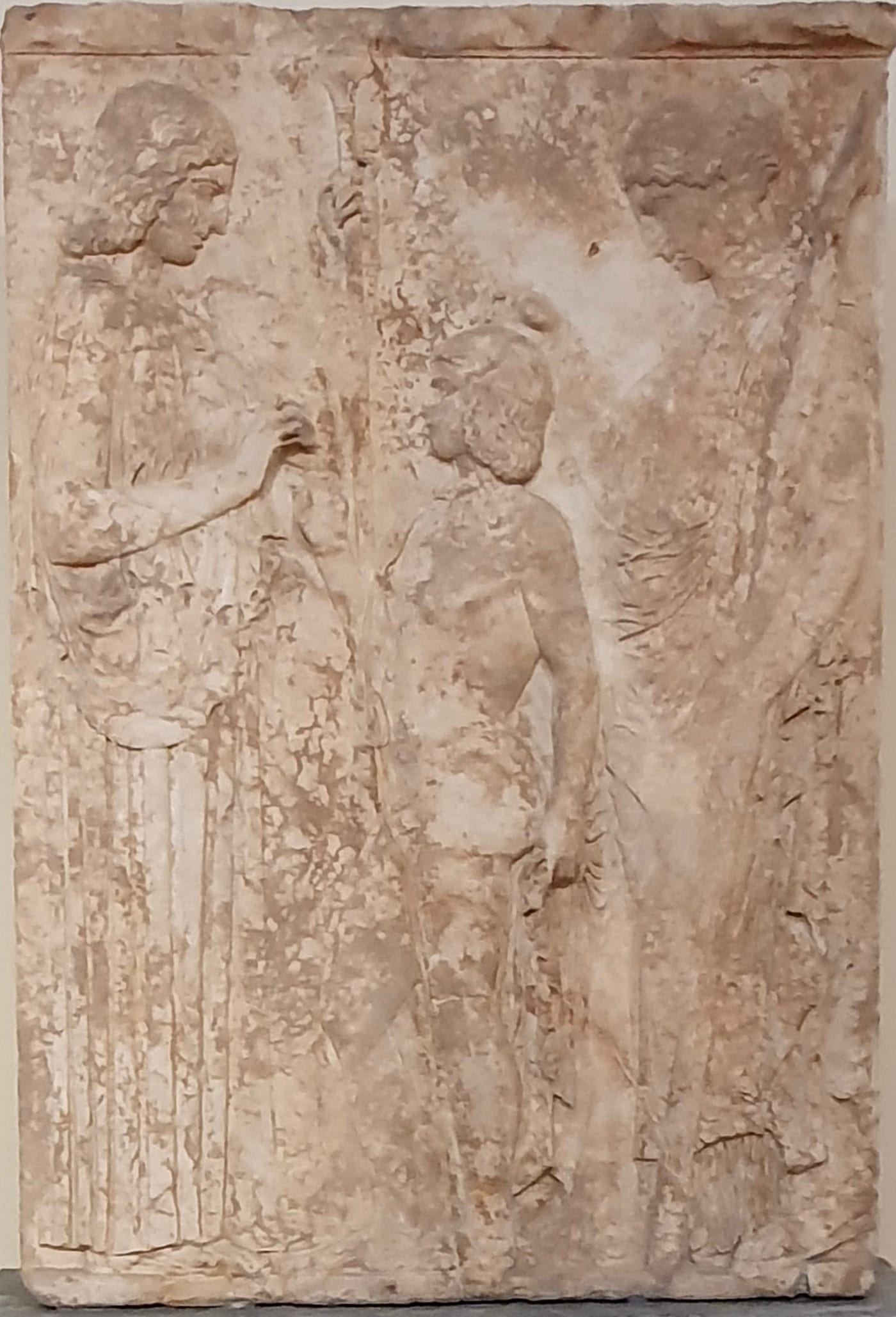
Demeter. The grain goddess, whose daughter Persephone’s abduction by Hades produces the seasons. Demeter’s descent into grief and withdrawal from the world causes the fields to die; her daughter’s return each spring causes the earth to bloom again. The grain sheaf in Virgo’s iconography fits Demeter directly.
Persephone. The maiden herself, forever associated with harvest and its end, the grain that must go underground before it can return.
Astraea. The goddess of justice, last of the immortals to leave Earth during the mythological decline from the Golden Age to the Iron Age. Ovid’s Metamorphoses 1.149–150 names her specifically: “Astraea too withdrew, the virgin of justice, last to feel the fear of the crime-stained age.” In this reading, Virgo holds the scales of justice, which is why Libra, the scales, is the next sign directly following Virgo in the zodiac.
Hesiod’s Works and Days 256–265 describes Dike (Justice) reporting injustices to Zeus. The maiden in the sky is watching.
The Spica problem
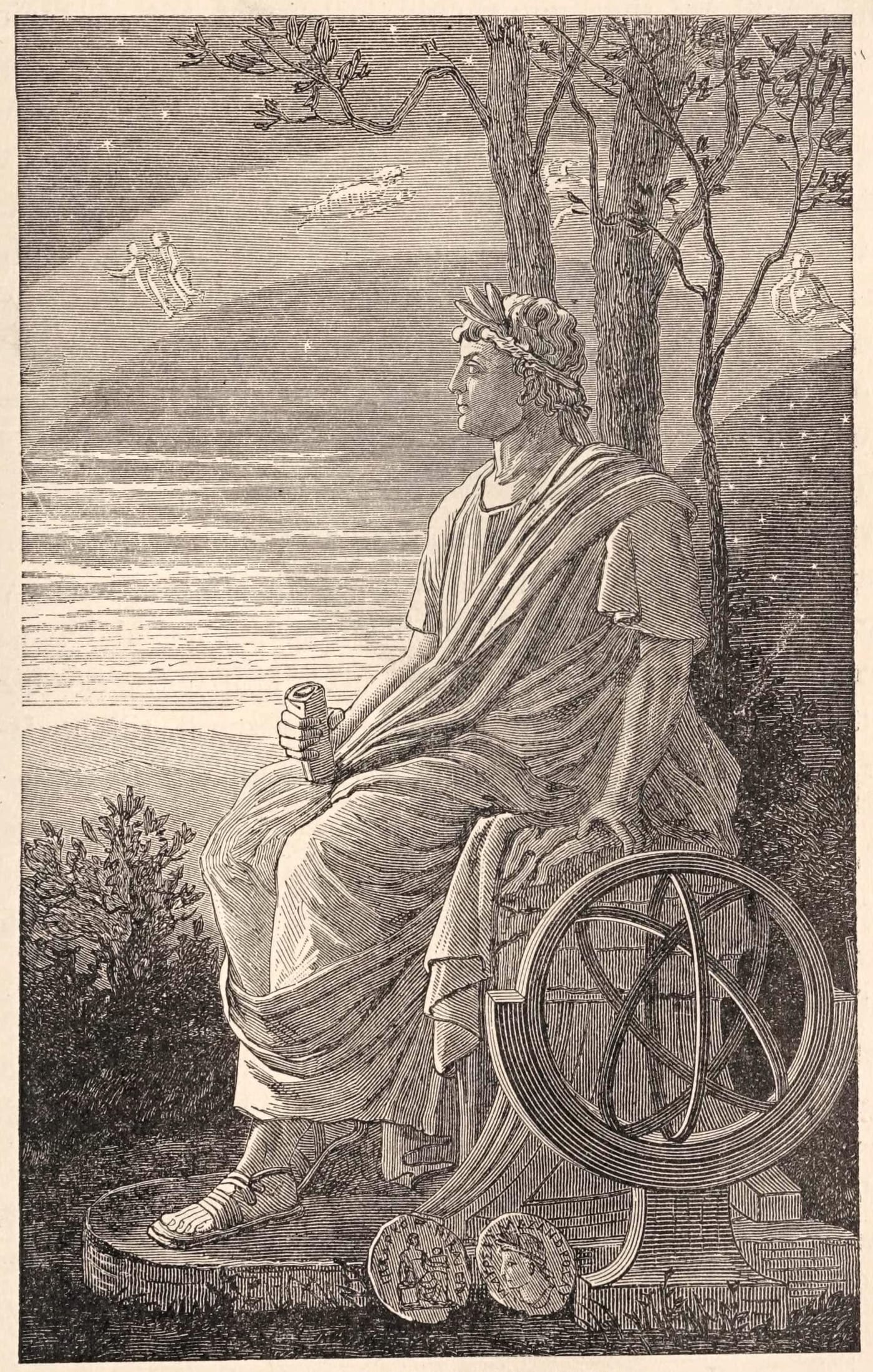
Spica’s brightness made it a navigational landmark in antiquity. Hipparchus of Nicaea (c. 190–120 BCE) used observations of Spica to discover the precession of the equinoxes, one of the most consequential astronomical discoveries before the telescope. He compared his own measurements with those Timocharis made 150 years earlier and found that Spica had shifted relative to the equinoctial point. This observation established that the sky’s reference frame slowly rotates. The star in the maiden’s hand was the empirical anchor for a revolution in ancient astronomy.
The animal associations
Virgo has no primary animal, the maiden is a human-form deity. The animal associations that attach to the sign come through the deities identified with it:
The dove appears through Virgo’s Venus exaltation. In Hellenistic astrology, Venus is “exalted” in Virgo, meaning the planet’s qualities express most fully in this sign. Venus’s primary animal is the dove, see the dove spirit animal entry for the Mesopotamian, Greek, and Hebrew dove traditions connected to the love goddess.
The bee appears through Demeter. Honey bees in ancient Mediterranean religion were sacred to Demeter and Artemis; the priestesses of Artemis at Ephesus were called Melissae, “bees.” See the bee spirit animal entry for the Egyptian hieroglyphic, Greek, and biblical bee traditions.
The butterfly appears as a symbol of Persephone, the Greek word psyche means both “soul” and “butterfly,” and the soul’s descent to and ascent from the underworld mirrors Persephone’s cycle.
Associated animals
Primary: Dove
Frequently asked
- What animal is Virgo?
- Virgo is the Maiden rather than a single animal. Babylonian AB.SIN ('Furrow'). Greek Astraea. Secondary animal-associations include the dove (Mary), bee (Demeter), and butterfly.
- Who is the maiden in the Virgo constellation?
- The classical sources offer three identifications. Hesiod's Works and Days 197–201 identifies her as Dikē (Justice), the maiden who fled to the heavens when humanity's Golden Age ended. Aratus's Phaenomena 96–136 follows Hesiod. Hyginus's Astronomica 2.25 identifies her as Erigone, daughter of Icarius. The Babylonian original (Sumerian AB.SIN, "the Furrow") was the goddess Shala holding an ear of grain: agricultural and seasonal, predating the Greek Justice reading by a millennium.
- Why does Virgo correlate with the harvest season?
- The brightest star in Virgo, Spica, takes its Latin name from "ear of grain" (spīca). The Babylonian original AB.SIN was an agricultural figure tied to the late-summer harvest. The constellation rises in the evening sky just as the Northern Hemisphere wheat and barley harvest comes in. The astronomical-agricultural coincidence is what the Babylonian, Egyptian (Isis with the sheaf), and Greek (Demeter, then Dikē) traditions all reach for.
Sources
- PRIMARY MUL.APIN (AB.SIN) . Hunger & Pingree, 1989.
- PRIMARY Ovid, Metamorphoses 1.149–150 . Loeb Classical Library.
- PRIMARY Hesiod, Works and Days 256–265 . Loeb Classical Library.
- PRIMARY Ptolemy, Tetrabiblos . Loeb Classical Library.
- PRIMARY Hesiod, Works and Days 197–201 . Most trans., Loeb Classical Library.
- PRIMARY Aratus, Phaenomena 96–136 . Kidd trans., Cambridge, 1997.