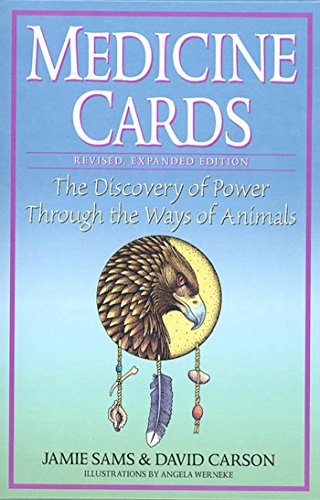
Medicine Cards
The foundational modern spirit-animal oracle: 44 cards drawn from Sams's Seneca and other Indigenous teachings, with a guidebook that actually explains its sources. The deck most later ones are imitating.
$20–25 View on Amazon
Gifts & tools
The things worth buying if you, or someone you're shopping for, want to work with spirit animals, chosen for what they actually do, not for the sale.
The single best spirit animal gift is an oracle deck: Medicine Cards (Sams & Carson, 1999) for tradition, or The Wild Unknown Animal Spirit (Krans, 2018) for art. Pair it with Ted Andrews's Animal Speak (1993) as a reference and a journal to track readings. Crystals and candles are optional aids, not requirements.
Most of what's sold under "spirit animal" is filler. This is the short list that isn't: the decks people actually keep using, the one reference book that explains where the meanings come from, and a few practice tools. Everything here links to Amazon; the oracle decks and book are specific, verified editions, and the broader categories link to a curated search while we pin down the best single product.
A quick note on terms before you shop: an oracle deck is not a tarot deck. Tarot has followed a fixed 78-card structure since the 15th century. Oracle decks don't; a deck can run any number of cards on any theme its creator defines. Every spirit animal deck on this list is an oracle deck for that reason, each one its own self-contained system rather than a variation on a shared one.
Medicine Cards draws on real heritage, not borrowed imagery: co-creator Jamie Sams is of Seneca and Cherokee descent, and that authorship is part of what separates it from decks built on vague "Native American" branding with no lineage behind them. Readers who want the sharper critique of New Age synthesis versus lived Indigenous tradition should read Vine Deloria Jr.'s God Is Red (Fulcrum, 2003), which makes the case directly.
The foundational modern spirit-animal oracle: 44 cards drawn from Sams's Seneca and other Indigenous teachings, with a guidebook that actually explains its sources. The deck most later ones are imitating.
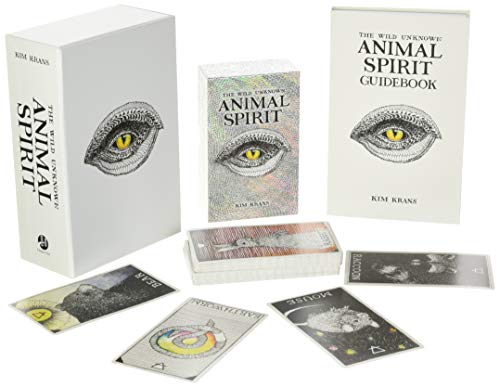
The most visually distinctive deck in the genre: 63 ink-and-watercolor cards organized by five elemental suits. The right pick if art matters as much as symbolism.
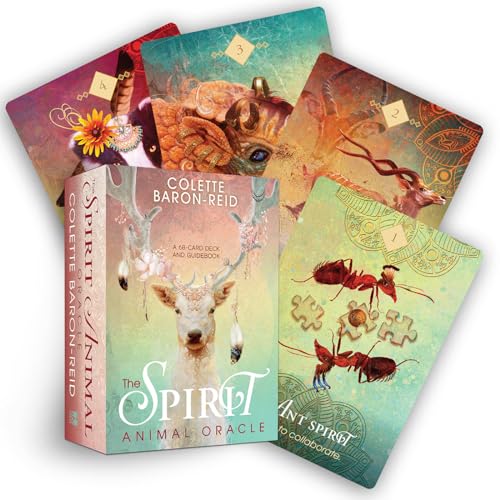
68 cards with a three-position reading framework (Protection, Wisdom, Challenge) that gives the deck real interpretive structure. The most accessible starting point for new readers.
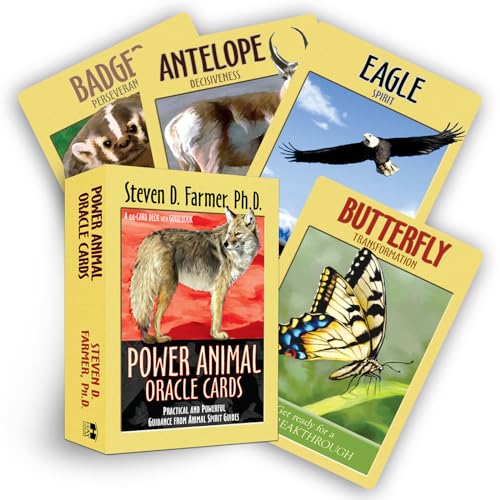
44 cards with a shamanistic framework: each carries a clear, usable message rather than open-ended symbolism. A practical companion to Farmer's Power Animals book.
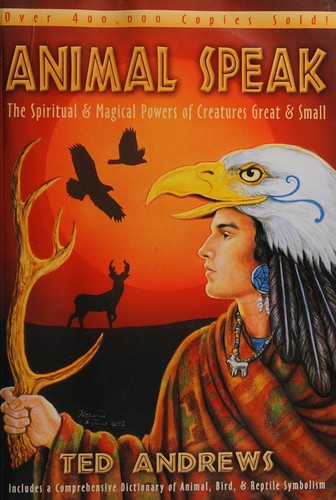
The reference behind most spirit-animal interpretations online. Covers 100+ animals across Lakota, Celtic, and Egyptian sources, the book to look up any animal the decks don't include.
The default intuition-and-calm stone, and the most-searched crystal for beginners. A natural cluster doubles as an altar piece.
The standard protection stone, the most common request after amethyst. Sold raw or tumbled.
A guided notebook for tracking encounters, dreams, and oracle pulls, the natural companion to a first deck.
A small pendant works as a daily touchstone: something to hold onto when you want the wolf's loyalty and pack instinct close at hand, not just read about.
Owl jewelry tends toward small, wearable pieces rather than showpieces: a pendant that carries the owl's watchfulness into an ordinary day.
A bear pendant or small carved figure gives the symbolism a physical anchor: something to hold during the slow, protective work the bear stands for.
Lion pendants and small statues are common for this exact reason: courage and leadership read well as something worn or displayed, not only written about.
A fox pendant is a compact way to keep the fox's cleverness and adaptability with you day to day, rather than confined to a page.
Snake jewelry, especially pieces built around the shedding-and-renewal theme, is one of the more established categories in spiritual jewelry.
Butterfly pendants are the most widely made piece in this category: a small, wearable stand-in for the transformation the butterfly represents.
A hawk pendant or small carved totem gives the hawk's clear-sightedness a physical form you can carry rather than just reference.
Deer pendants, often built around antler or stag imagery, are a common way to keep the deer's gentleness and alertness close.
A cat pendant or small figurine is a straightforward way to keep the cat's independence and quiet awareness present day to day.
Raven pendants lean into the bird's sharp, watchful look: a compact way to carry the raven's association with messages and change.
Tiger pendants and small statues are a common physical stand-in for the tiger's raw confidence: something to wear or place on an altar rather than just read about.