Spirit Animal
Bison Spirit Animal
Bison spirit animal meaning: abundance, provision and gratitude. Traced from Ted Andrews's Animal Speak to the Lakota White Buffalo Calf Woman, the sacred pipe, and the 19th-century near-extinction that shaped the modern reading.
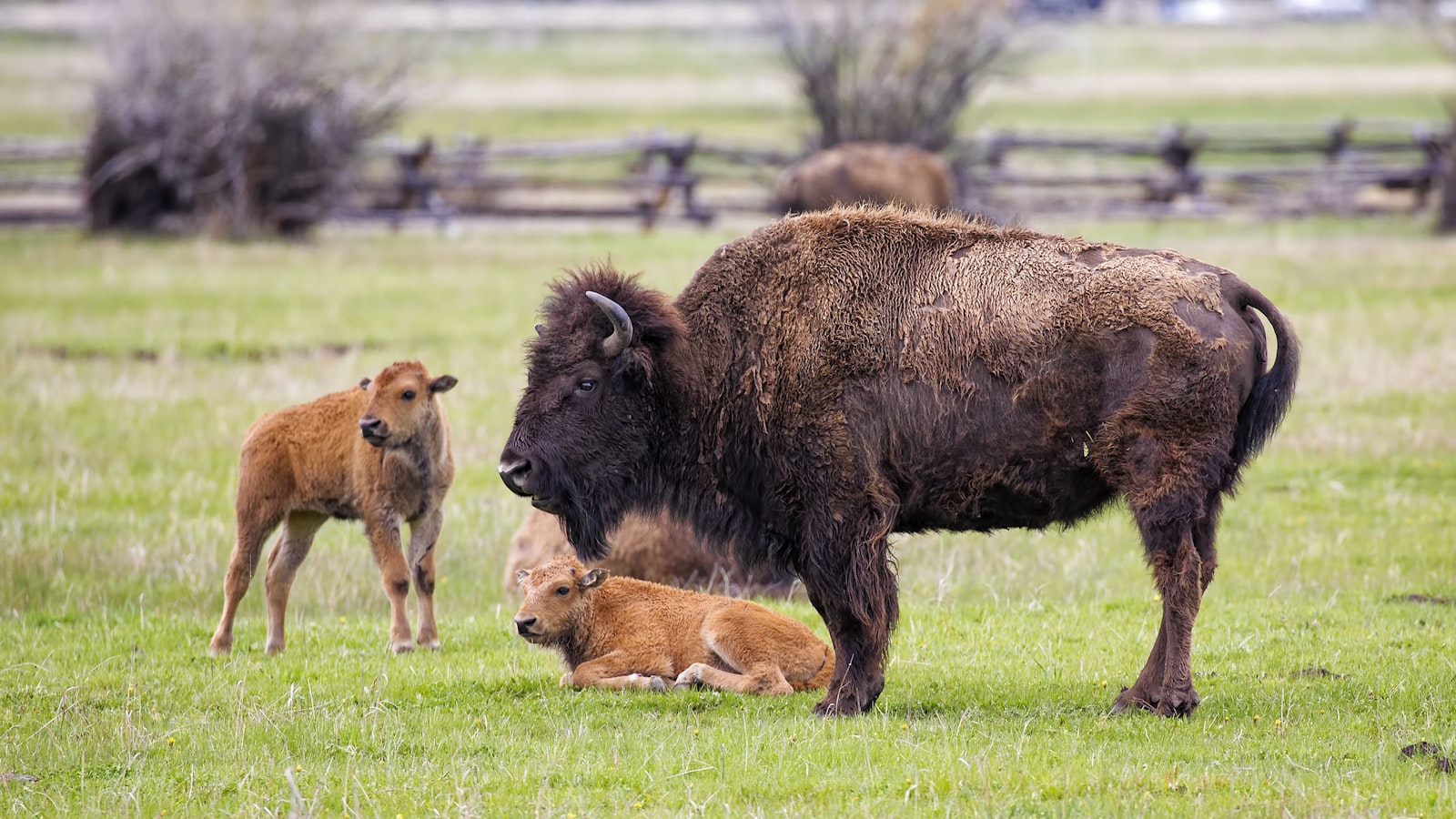
In modern American "spirit animal" usage, the bison (popularly called buffalo, though true buffalo are a separate Old World genus) most often signals abundance, provision, gratitude, and the strength to stand your ground. That reading descends most directly from Ted Andrews's Animal Speak (Llewellyn, 1993). The deeper tradition is specifically Lakota: Ptesáŋwiŋ, the White Buffalo Calf Woman, brought the sacred pipe and the Seven Sacred Rites, recorded from Black Elk by Joseph Epes Brown in The Sacred Pipe (1953) and from Oglala elders by James R. Walker (1980). The Sun Dance, the pre-reservation buffalo economy, and the animal's near-extermination by 1889, reversed only through 20th-century conservation, are the other pillars of its modern symbolic weight.
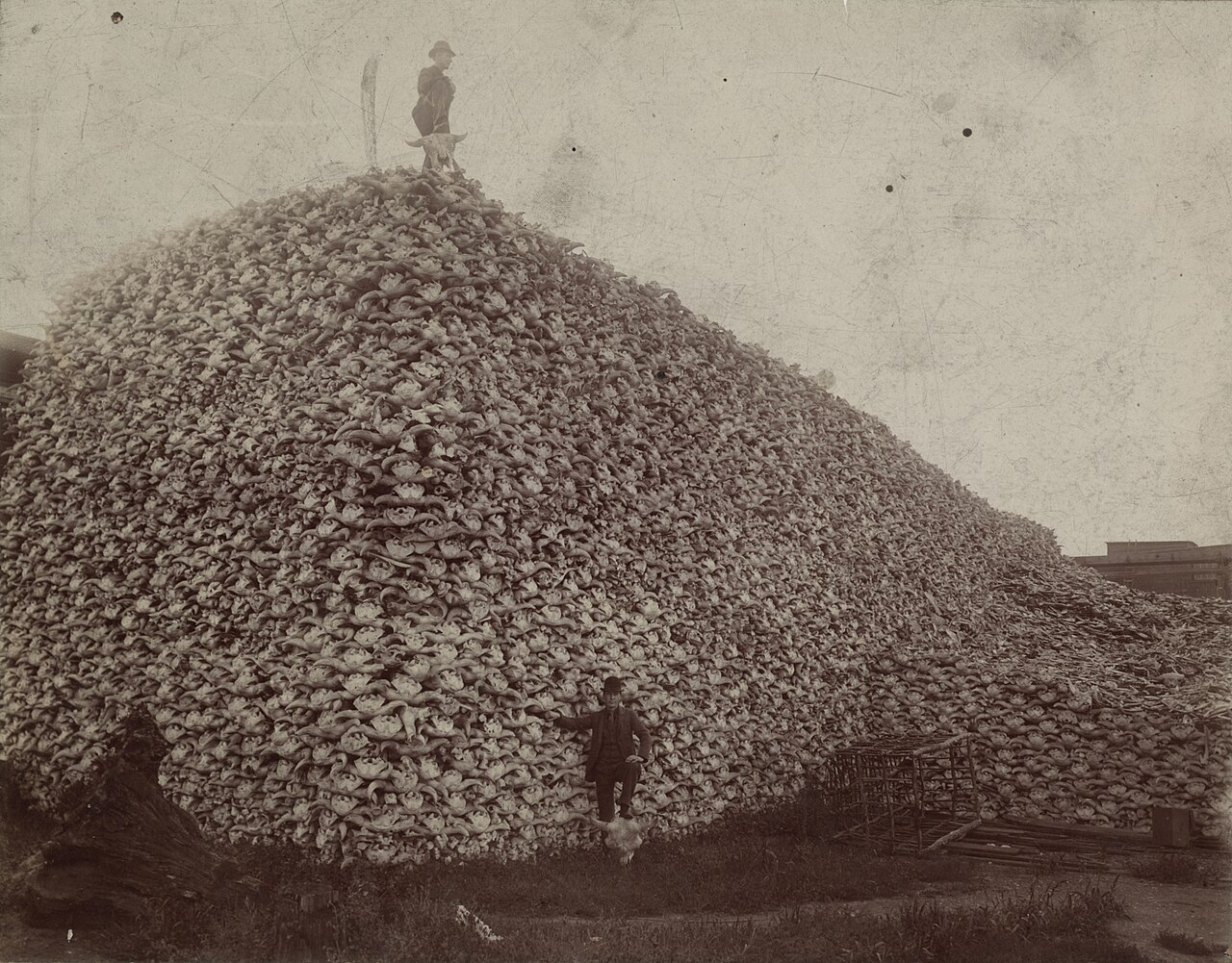
In 1889, the naturalist William T. Hornaday counted what was left of a species that had numbered in the tens of millions a decade or two before: a few hundred wild animals, scattered across a continent they used to cover edge to edge. He wrote it up for the Smithsonian and called it, without any softening, The Extermination of the American Bison. That title sits underneath every modern reading of the bison as a symbol of abundance. The animal now praised for plenty is the same animal the country nearly erased in one generation.
What most people mean by “bison spirit animal”
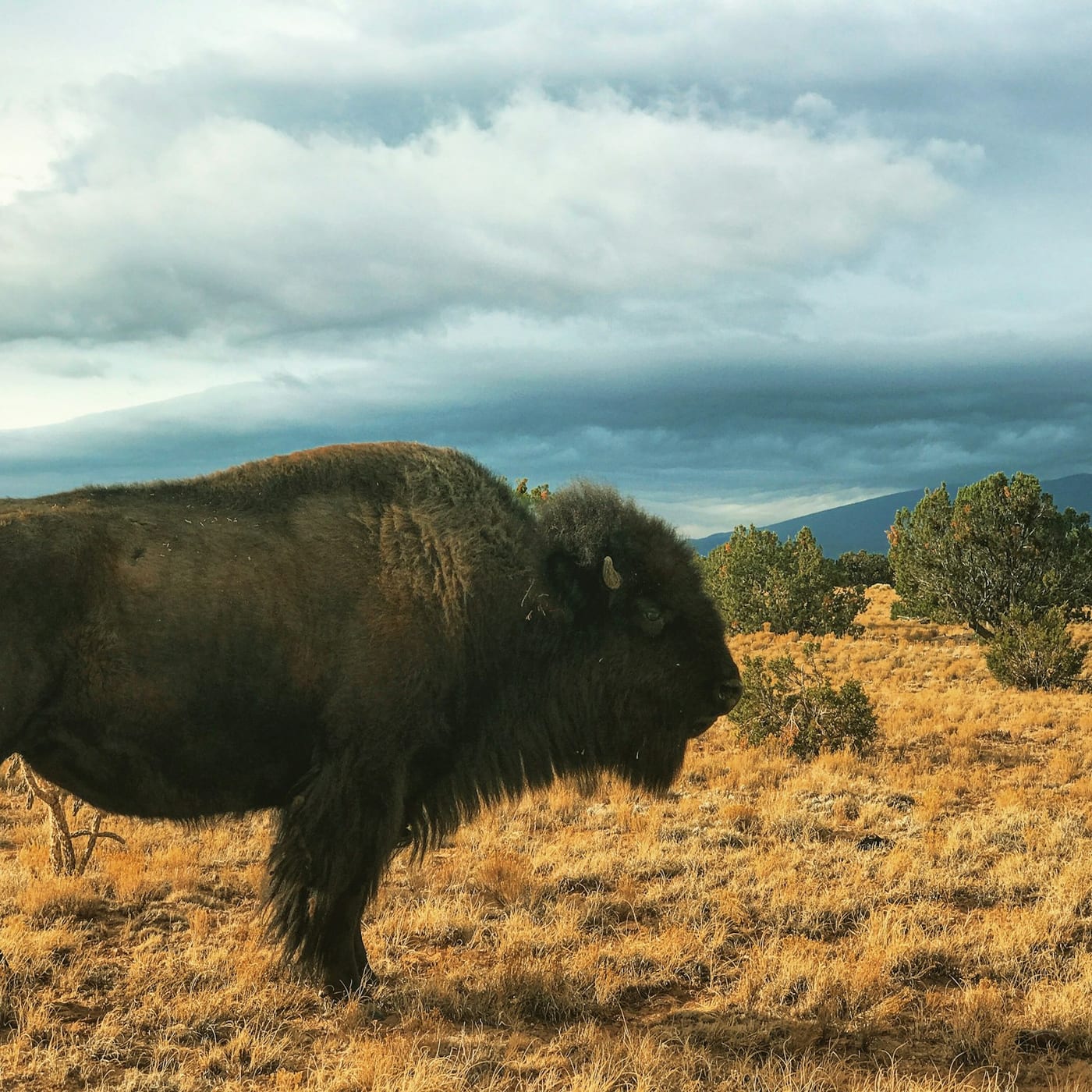
The abundance-and-gratitude reading is the default. Search for “bison spirit animal” today and the answer comes back fast: provision, strength, the discipline to be grateful for what you have instead of chasing more. Some of that comes from real bison behavior. Unlike horses and cattle, bison face into an oncoming blizzard and walk through it, rather than drifting with the wind and getting caught broadside in a storm they can’t outrun. Ranchers and biologists have documented the behavior for well over a century. The metaphor of “standing your ground” isn’t invented. It’s observed.
Most of the rest of the popular reading, though, comes from one book. Ted Andrews synthesized the abundance-and-gratitude framing in Animal Speak (Llewellyn, September 1993), and nearly every spirit-animal page on the bison since has been paraphrasing him, knowingly or not. Naming that plainly is the floor, not a criticism.
The Lakota tradition behind the pipe
Go back past Andrews and the tradition sharpens into something specific: Lakota, not “Native American” in general. Oral tradition recorded from Black Elk by Joseph Epes Brown describes Ptesáŋwiŋ, the White Buffalo Calf Woman, arriving during a famine to give the Lakota people the sacred pipe and the Seven Sacred Rites, then departing as a white buffalo calf. James R. Walker, a reservation physician who spent eighteen years collecting Oglala testimony firsthand, recorded the same core narrative independently. The full sourcing for both accounts is below.
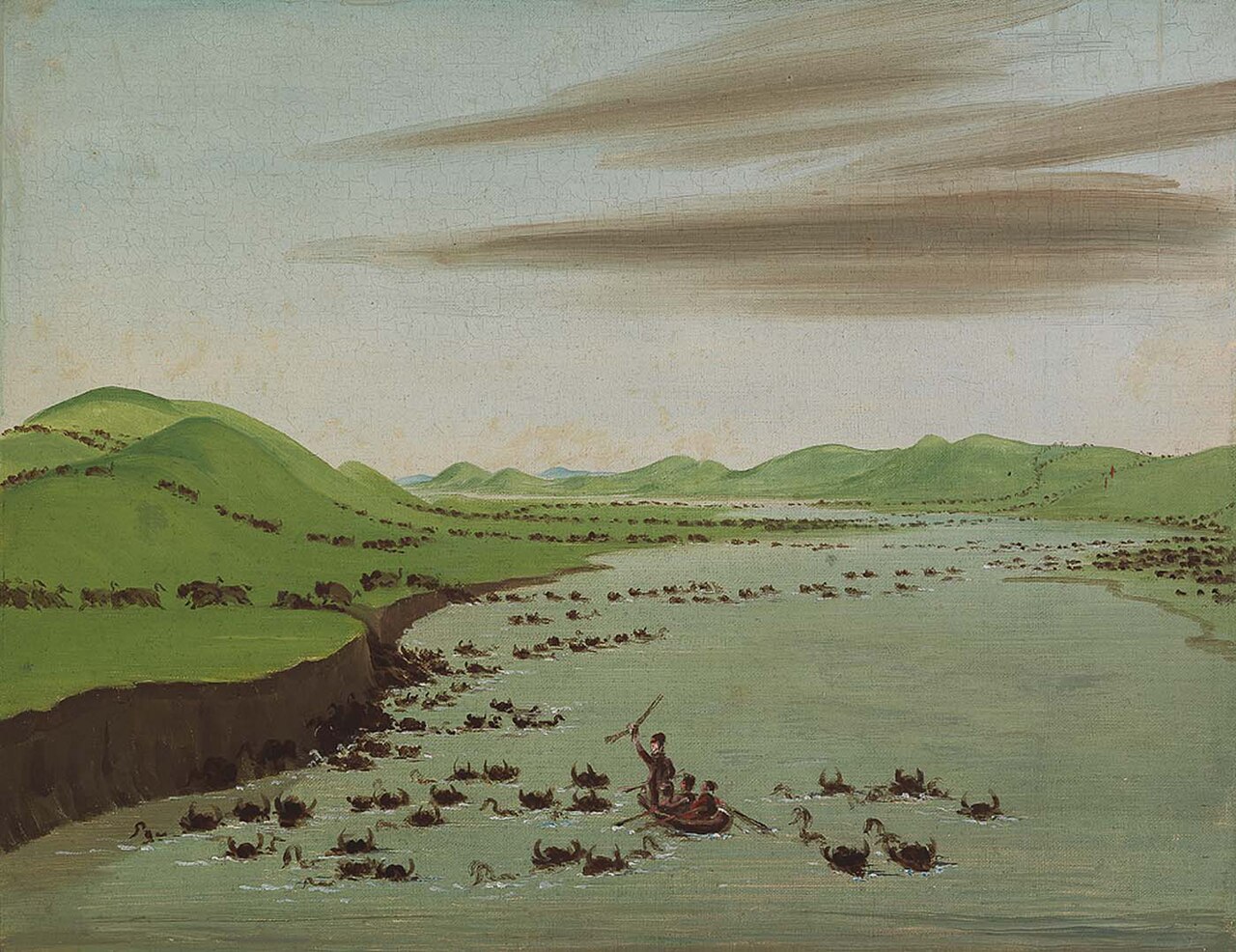
The Sun Dance, one of the seven rites the White Buffalo Calf Woman is said to have brought, used buffalo hide for the ceremonial lodge and a buffalo skull as the altar at the center pole. Outside of ceremony, the pre-reservation Lakota economy ran on the animal directly: hide for the tipi and clothing, meat dried into wasna, bone into tools, sinew into thread and bowstring. Calling the buffalo a “provider” in the 1800s wasn’t a spiritual flourish. It was a fact about where the next meal came from.
What the extermination changed
The slaughter that produced Hornaday’s count wasn’t just market hunting gone too far. Army officers of the period said plainly, in writing, that destroying the herds was a way to subdue the Plains nations who depended on them. The buffalo’s near-disappearance and the forced confinement of Lakota and other Plains peoples to reservations happened on the same timeline, for related reasons, and neither can be told honestly without the other.
The recovery and the naming, 2016
Hornaday didn’t stop at documenting the loss. He founded the American Bison Society in 1905 and helped rebuild wild herds from a handful of surviving lines, including animals that had held on inside Yellowstone. More than a century later, that recovery, and the animal’s continuing importance to over sixty tribal nations working through the InterTribal Buffalo Council, led Congress to name the bison the country’s first national mammal in 2016.
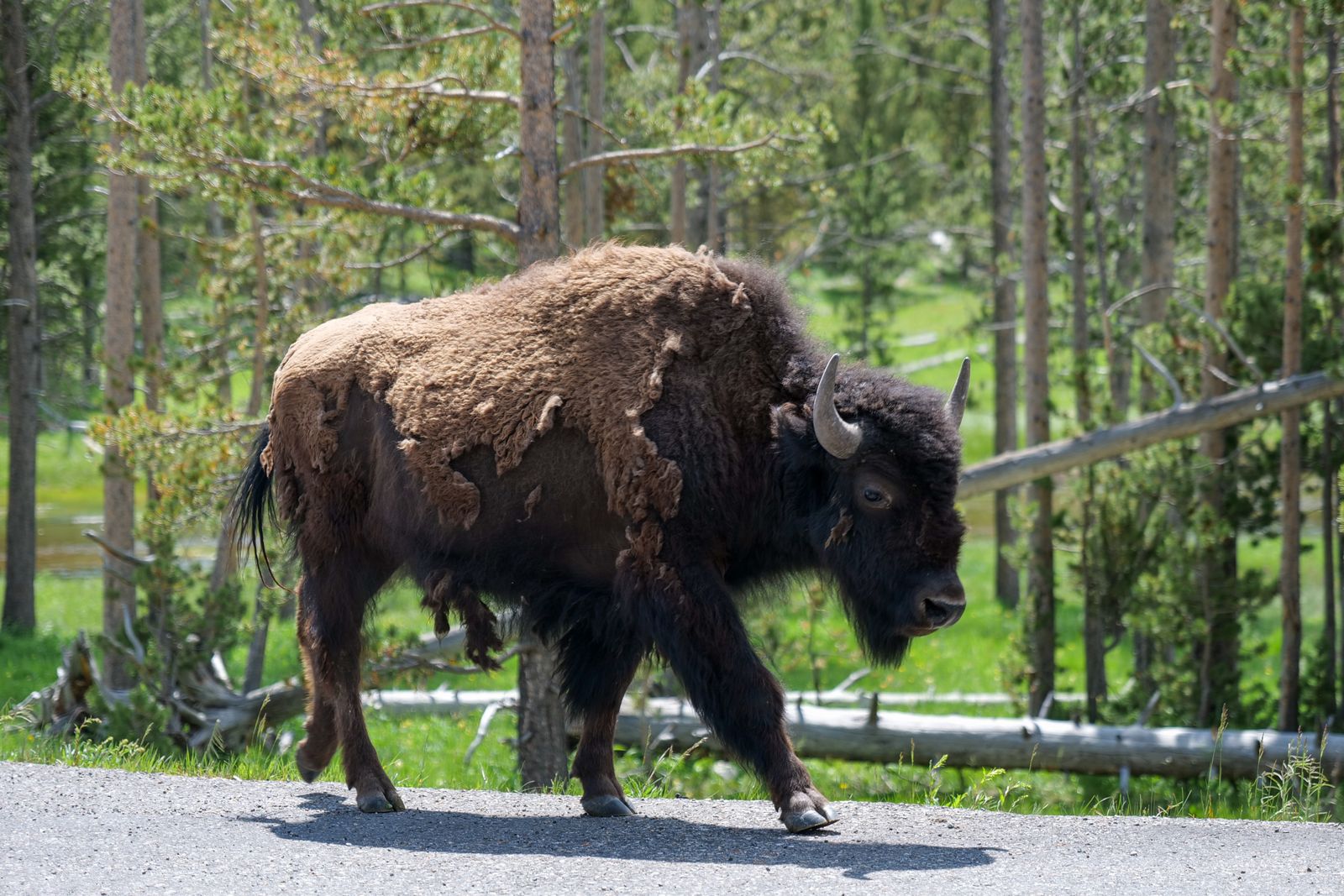
A species nearly wiped out within a single human lifetime, then deliberately rebuilt within the next one, reads differently than a species that was never at risk. That arc, loss followed by return, is a large part of why the modern spirit-animal reading leans so hard on gratitude rather than mere strength.
What the primary sources actually say
The tradition sections below treat the Lakota material on its own terms, not folded into a generic “Native American” category. The White Buffalo Calf Woman narrative is specifically Lakota, sourced from Black Elk through Joseph Epes Brown and independently through James R. Walker’s field notes. The Sun Dance and the pre-reservation economy are documented by Royal B. Hassrick. The extermination and the recovery are a matter of federal record, from Hornaday’s 1889 Smithsonian report to the 2016 Act of Congress. Reading the sections in order is the fastest way to see how much distance sits between the 1993 paperback synthesis and the record underneath it.
Across traditions
Lakota (Ptesáŋwiŋ and the sacred pipe)
In Lakota tradition, specifically, the buffalo is not a metaphor for anything. Oral tradition recorded from the Oglala holy man Black Elk by Joseph Epes Brown in The Sacred Pipe: Black Elk's Account of the Seven Rites of the Oglala Sioux (University of Oklahoma Press, 1953) tells how Ptesáŋwiŋ, the White Buffalo Calf Woman, appeared to two scouts during a time of hunger, gave the Lakota people the sacred pipe (chanunpa), and taught the Seven Sacred Rites before walking away from the camp and transforming into a white buffalo calf. The bowl of that pipe is carved with a buffalo calf, representing every four-legged animal of the earth.
James R. Walker, a physician at the Pine Ridge Reservation from 1896 to 1914, recorded the same narrative and its surrounding ritual detail directly from Oglala elders; his field notes were published as Lakota Belief and Ritual (University of Nebraska Press, 1980), edited by Raymond J. DeMallie and Elaine A. Jahner. This is a Lakota (Teton Sioux) tradition specifically. Other Plains nations carry their own buffalo narratives, distinct from this one and not interchangeable with it.
- PRIMARY Joseph Epes Brown, The Sacred Pipe: Black Elk's Account of the Seven Rites of the Oglala Sioux . University of Oklahoma Press, 1953.
- PRIMARY James R. Walker, Lakota Belief and Ritual . ed. Raymond J. DeMallie and Elaine A. Jahner, University of Nebraska Press, 1980.
Lakota (the Sun Dance and the buffalo economy)
The Sun Dance, Wiwáŋyaŋg Wačípi ("dance looking at the sun"), is one of the Seven Sacred Rites that Ptesáŋwiŋ brought, per Black Elk's account in Brown's The Sacred Pipe. It stood as the central annual ceremony of the Lakota and other Plains nations, and the buffalo runs through it materially as well as symbolically: buffalo hide covered the ceremonial lodge and dancers' regalia, and a buffalo skull was set at the base of the center pole as an altar.
Royal B. Hassrick's The Sioux: Life and Customs of a Warrior Society (University of Oklahoma Press, 1964) documents how completely the pre-reservation Lakota economy depended on the animal: hide for the tipi cover and clothing, meat dried into wasna, bone worked into tools, sinew for bowstring and thread, dung burned as fuel on a treeless plain. The 19th-century reading of the buffalo as provider was not devotional language layered on afterward. It described where the next meal, coat, and shelter actually came from.
- PRIMARY Joseph Epes Brown, The Sacred Pipe . University of Oklahoma Press, 1953.
- PEER-REVIEWED Royal B. Hassrick, The Sioux: Life and Customs of a Warrior Society . University of Oklahoma Press, 1964.
The near-extermination and the 20th-century return
By the time the naturalist William T. Hornaday investigated for the Smithsonian Institution, herds that had numbered in the tens of millions across the Great Plains a few decades earlier had been reduced, by his count, to a few hundred wild animals. His findings were published as The Extermination of the American Bison in the Smithsonian's Annual Report for 1887 (Government Printing Office, 1889), and the report remains a primary document of the hide trade, the railroads, and the military dimension of the slaughter: Army officers of the period openly linked killing the herds to subduing the Plains nations by destroying their food supply.
Hornaday went on to found the American Bison Society in 1905 and helped rebuild herds from remnant stock, including animals descended from the small group that survived inside Yellowstone. That recovery, and the animal's continuing importance to more than sixty tribal nations working through the InterTribal Buffalo Council, led Congress to name the bison the United States' first national mammal in the National Bison Legacy Act, Public Law 114-152, signed into law on May 9, 2016. A species nearly erased within one generation and rebuilt in the next carries different weight than a species that was never threatened. That history sits directly under why the modern reading leans so heavily on gratitude.
- PRIMARY William T. Hornaday, The Extermination of the American Bison . Annual Report of the Board of Regents of the Smithsonian Institution for 1887, Government Printing Office, 1889.
- PRIMARY National Bison Legacy Act, Public Law 114-152 . Signed May 9, 2016.
Ted Andrews (1993, the pop-concept's source)
The modern reading, abundance, provision, gratitude, and the strength to stand your ground in a storm rather than run from it, is most directly Ted Andrews's synthesis in Animal Speak (Llewellyn, September 1993). Andrews drew on Plains Sun Dance imagery, the White Buffalo Calf Woman narrative then circulating widely through Black Elk's account, and the buffalo's recent status as a conservation success story.
He is also, incidentally, part of the reason the animal shows up in this literature as "buffalo" rather than "bison." The American bison, Bison bison, belongs to a different genus than the true buffalo of Africa and Asia, Syncerus and Bubalus. The Smithsonian's National Zoo traces the mix-up to early French and English settlers, not to any Indigenous naming convention.
- REFERENCE Ted Andrews, Animal Speak: The Spiritual & Magical Powers of Creatures Great and Small . Llewellyn, September 1993.
- REFERENCE It's Bison, Not Buffalo. And Other American Bison Facts, Smithsonian's National Zoo and Conservation Biology Institute
Working with the Bison
If you want a regular practice rather than a one-time read, an oracle deck is the standard tool: you draw a card and sit with whatever animal comes up. Our ranked guide to spirit animal oracle decks compares the field.
Sources
- PRIMARY Joseph Epes Brown, The Sacred Pipe: Black Elk's Account of the Seven Rites of the Oglala Sioux . University of Oklahoma Press, 1953.
- PRIMARY James R. Walker, Lakota Belief and Ritual . ed. Raymond J. DeMallie and Elaine A. Jahner, University of Nebraska Press, 1980.
- PEER-REVIEWED Royal B. Hassrick, The Sioux: Life and Customs of a Warrior Society . University of Oklahoma Press, 1964.
- PRIMARY William T. Hornaday, The Extermination of the American Bison . Annual Report of the Board of Regents of the Smithsonian Institution for 1887, Government Printing Office, 1889.
- PRIMARY National Bison Legacy Act, Public Law 114-152 . Signed May 9, 2016.
- REFERENCE Ted Andrews, Animal Speak . Llewellyn, September 1993.
- REFERENCE It's Bison, Not Buffalo. And Other American Bison Facts, Smithsonian's National Zoo and Conservation Biology Institute